EU Locks In 90% Emissions Cut by 2040: What It Means for Climate Policy, Business, and Biodiversity
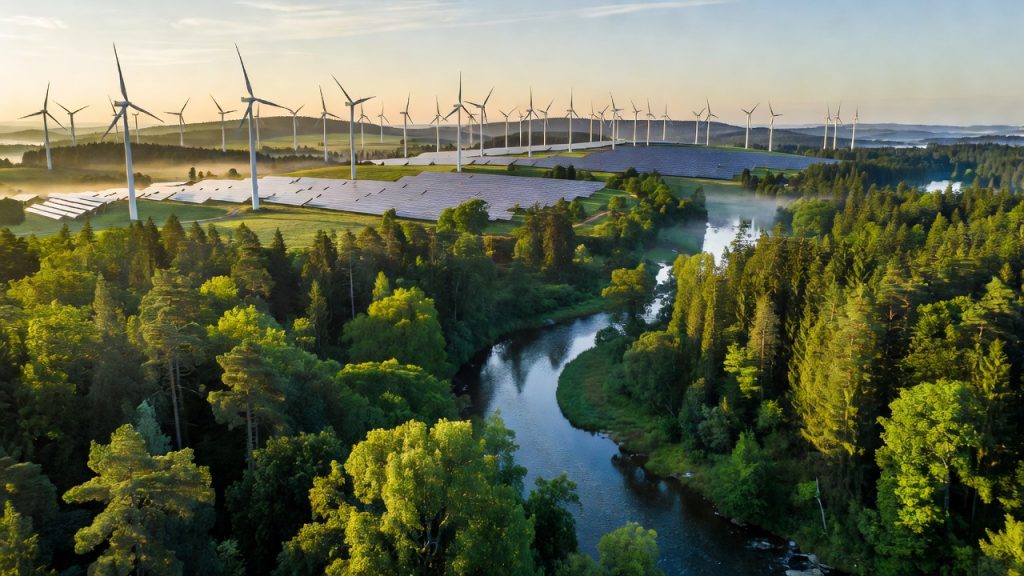
The European Union has taken one of its most consequential steps yet in the fight against climate change. EU member states gave final approval to a binding target of cutting greenhouse gas emissions by 90% by 2040 compared to 1990 levels — a milestone that sets the pace for the bloc’s decarbonization journey toward net zero by 2050. The decision, reported by Reuters, is expected to reshape environmental policy, accelerate investment in renewable energy, and redefine compliance obligations for businesses across the continent.
Yet the same week brought a contradictory signal: the EU also approved a rollback of corporate supply-chain due diligence rules, easing requirements on companies to address environmental and human-rights risks in their operations abroad. Together, these two decisions capture the central tension in European climate governance right now — ambition at the macro level, pragmatism (or retreat) at the regulatory detail.
A 90% Target: Ambitious, But Is It Enough?
The new 2040 climate target is not just a number. It serves as the legally binding bridge between the EU’s existing 55% net reduction goal for 2030 (under the Fit for 55 package) and the overarching net-zero target for 2050. By locking in 90%, the EU is signaling to investors, industries, and trading partners that the low-carbon transition is irreversible.
For sectors like steel, cement, aviation, and agriculture — all heavy emitters — this target translates into hard deadlines for adopting cleaner technologies, expanding renewable energy capacity, and reducing pollution across value chains. The European Commission has estimated that meeting the 2040 goal will require annual clean-energy investments to rise significantly, potentially exceeding €800 billion per year across the bloc.
Environmental advocates have broadly welcomed the decision, though some argue the target should have been set closer to 95% to align with the most ambitious scientific recommendations. Still, in the current political climate — with climate skepticism rising in parts of Europe — the approval represents a meaningful reaffirmation of the EU’s leadership on global climate action.
Global Climate Diplomacy: Fragile Consensus Ahead of COP30
Europe’s domestic ambition stands in sharp contrast to the fragmented state of international climate diplomacy. Negotiations ahead of COP30 in Brazil are already showing signs of stress: a recent updated draft text omitted an earlier proposal for a global fossil-fuel exit strategy, signaling that consensus on phasing out coal, oil, and gas remains deeply contested among nations.
Meanwhile, China — the world’s largest emitter — announced a 17% carbon-intensity reduction goal within its current five-year plan. While this represents continued progress on emissions control, intensity-based targets allow total emissions to keep rising if the economy grows fast enough, a limitation that climate scientists frequently highlight. Given China’s dominant role in global manufacturing and energy demand, the trajectory of its environmental policy carries enormous consequences for whether the world stays on track for 1.5°C.
Across the Atlantic, the picture is equally concerning for conservationists. The Trump administration has moved to loosen protections for the North Atlantic right whale, one of the most endangered marine mammals on Earth, with fewer than 370 individuals remaining. The proposed regulatory rollback affects shipping lanes and fishing practices along the U.S. East Coast — a reminder that biodiversity and conservation goals are increasingly caught in the crossfire of economic and energy policy decisions.
Implications: Tighter Targets, Looser Rules — A Risky Combination
The juxtaposition of the EU’s 90% emissions target with the weakening of supply-chain due diligence rules raises a fundamental question: can climate ambition be sustained without robust corporate accountability? Critics argue that rolling back environmental and human-rights requirements for businesses undermines the very supply-chain transparency needed to verify emissions reductions and prevent pollution from simply being outsourced to less-regulated markets.
For European companies, the coming years will involve navigating a complex regulatory landscape:
- Stricter carbon pricing through the EU Emissions Trading System (ETS), which already covers power, industry, and aviation
- Expanding renewable energy mandates under the revised Renewable Energy Directive
- Reduced due diligence obligations on supply chains, at least in the short term
- Growing investor pressure from ESG-focused funds demanding credible climate transition plans
The EU’s credibility as a global climate leader will depend on how coherently it manages these competing pressures — and whether it can bring international partners along on fossil-fuel phaseout language before COP30 begins.
Key takeaway: The EU’s 90% emissions-cut target for 2040 is a landmark moment for European and global climate policy — but its impact will ultimately be measured not by the target itself, but by the regulatory consistency, investment flows, and international cooperation that follow it. From renewable energy expansion to biodiversity protection, the decisions made in the next 12 months will determine whether this ambition translates into real-world change.