EU Locks In 90% Emissions Cut by 2040: What It Means for Climate Policy, Clean Energy, and the Global Divide
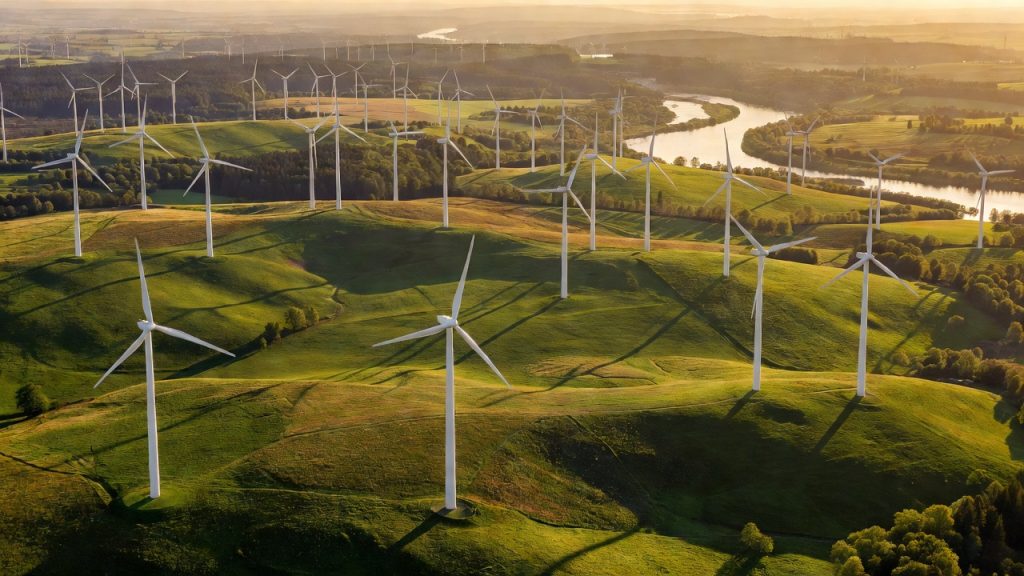
The European Union has taken one of its most significant climate steps in years. EU member states have formally approved a binding target to cut greenhouse gas emissions by 90% by 2040 compared to 1990 levels — a milestone that sets a clear regulatory trajectory for European businesses, investors, and policymakers ahead of COP30 in Brazil. But while Europe doubles down on its environmental policy commitments, the global picture is far more fragmented, with fossil-fuel politics stalling international negotiations and the United States moving in the opposite direction.
Europe’s 2040 Climate Target: Ambition Meets Accountability
The formal approval of the 90% emissions-reduction target is not just a symbolic gesture — it is a legally significant anchor for European climate law and renewable energy planning. It bridges the EU’s existing 2030 goal (a 55% net reduction under the Fit for 55 package) and the continent’s long-term objective of climate neutrality by 2050.
For European industries, the message is unambiguous: the regulatory pressure on carbon-intensive sectors will intensify. The target strengthens the long-term investment case for low-carbon technologies, from offshore wind and green hydrogen to energy efficiency retrofits and sustainable transport infrastructure. It also reinforces the EU’s role as a global standard-setter in environmental policy, at a time when that leadership is increasingly needed.
Crucially, the 90% figure is net — meaning it accounts for carbon removals through forests, soils, and technological solutions. This makes biodiversity and conservation policies directly relevant to meeting the target: healthy ecosystems are not just an environmental good, they are a climate asset. The EU Nature Restoration Law, still being implemented across member states, becomes even more strategically important in this context.
COP30 and the Fossil Fuel Impasse
Against Europe’s domestic progress, the international climate negotiations unfolding in Belém, Brazil, tell a more complicated story. The draft text released by the Brazilian COP30 presidency notably omitted an earlier proposal for a global fossil-fuel phase-out pathway — a sign that the most contentious issue in climate diplomacy remains far from resolved.
The absence of a clear fossil-fuel exit timeline from the draft text reflects the deep divisions between major oil-producing nations and climate-vulnerable countries pushing for faster action. Meanwhile, the hosting arrangements for COP31 — a split between Turkey and Australia, with Turkey as host and Australia leading negotiations — point to the ongoing diplomatic bargaining that shapes the climate summit process as much as the science does.
Pollution from fossil fuels remains the single largest driver of climate change, and without a credible global commitment to reduce it, national and regional targets like the EU’s risk being undermined by emissions elsewhere. The COP process, for all its imperfections, remains the primary multilateral forum where that gap can be closed.
The U.S. Pivot and the Hydrogen Warning Sign
The policy divergence between Europe and the United States has rarely been more visible. The U.S. Department of Energy is currently restructuring with a greater emphasis on fossil fuels and nuclear energy, stepping back from the clean-energy investment momentum built under the Inflation Reduction Act. This widening gap creates both risks and opportunities for Europe: risks, because global climate ambition weakens without U.S. engagement; opportunities, because European clean-tech industries may attract capital and talent from a less supportive American policy environment.
A cautionary signal also came from the private sector. Exxon Mobil halted plans for one of the world’s largest green hydrogen production facilities, citing insufficient customer demand. This is a stark reminder that even the most promising renewable energy technologies face real commercial barriers when offtake markets are not yet mature. Scaling clean energy is not only a question of policy ambition — it requires coordinated demand creation, infrastructure investment, and industrial strategy.
Implications for Citizens, Businesses, and Decision-Makers
- For businesses: The EU’s 2040 target makes long-term decarbonisation planning non-negotiable. Companies that align strategies with the trajectory now will face lower transition costs later.
- For investors: Regulatory clarity in Europe strengthens the ESG investment case for low-carbon assets, even as U.S. policy uncertainty creates volatility.
- For policymakers: The COP30 fossil-fuel deadlock underlines the need for Europe to use its trade, finance, and diplomatic tools to export climate ambition beyond its borders.
- For citizens: The energy transition will reshape jobs, costs, and urban environments — public engagement and a just transition framework are essential to maintain democratic support.
Key takeaway: The EU’s 90% emissions-cut target for 2040 is a landmark in European environmental policy — but its real-world impact depends on what happens beyond Europe’s borders. From the stalled fossil-fuel negotiations at COP30 to the commercial fragility of green hydrogen and the U.S. policy retreat, the path to meaningful global climate action remains steep. Europe has set its course. The question now is whether the rest of the world will follow.