Green Tech in 2025: How Europe’s 90% Climate Target Is Reshaping Clean Innovation
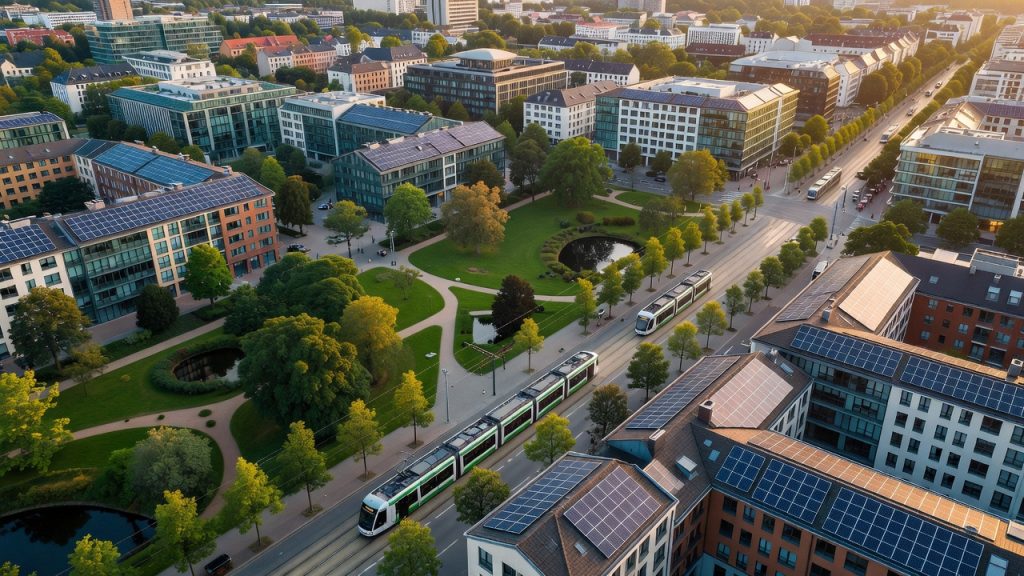
Europe just raised the bar — and the clock is ticking. EU member states have formally approved a binding target to cut greenhouse gas emissions by 90% by 2040, cementing one of the most ambitious climate commitments any major economy has ever made. For the green technology and cleantech sectors, this is not just a policy headline: it is a structural signal that the energy transition is entering a faster, more demanding phase.
Capital Is Flowing Into Climate Tech — and Software Is Leading the Way
The investment landscape is responding in real time. Climatiq, a Berlin-based greentech startup specialising in emissions data and carbon accounting software, recently closed a €10 million Series A funding round — a clear sign that software-enabled sustainability tools are becoming essential infrastructure for businesses navigating the energy transition.
This trend reflects a broader shift in clean-tech innovation: the frontier is no longer only hardware. Smart data platforms, AI-driven energy management systems, and emissions tracking tools are increasingly critical for companies trying to decarbonise supply chains, optimise energy use in smart cities, and comply with tightening regulations. Across Europe, digital green innovation is becoming as important as wind turbines and solar panels.
Meanwhile, Alberta’s government has opened a $50 million funding round targeting industrial decarbonisation and clean-tech projects — a reminder that the global race to fund low-carbon solutions is intensifying well beyond European borders. Industrial sectors like steel, cement, and manufacturing are increasingly in the spotlight, as they represent some of the hardest emissions to cut.
The EU’s 2040 Target: Pressure and Opportunity for Green Industry
The approved 90% emissions reduction target for 2040 dramatically raises expectations for businesses across every sector. For companies, this translates into concrete pressure to accelerate investment in:
- Electrification of industrial processes and electric mobility infrastructure
- Energy efficiency upgrades across buildings and manufacturing facilities
- Low-carbon and circular supply chains
- Clean technologies including green hydrogen, advanced energy storage, and carbon capture
For citizens, the target signals a faster pace of decarbonisation in everyday life — from how homes are heated to how people move through cities. The buildout of smart city infrastructure, public transport electrification, and energy-efficient housing will need to accelerate significantly over the next 15 years.
The European perspective here is particularly significant. The EU is simultaneously tightening its climate ambitions while scaling back some supply-chain due-diligence requirements — a move that may ease compliance burdens for certain firms but risks reducing pressure on global suppliers to meet climate and labour standards. Striking the right balance between competitiveness and credibility will be one of the defining tensions of Europe’s green industrial strategy.
Global Context: China and India Add Complexity to the Transition
Europe is not acting in isolation. China has announced plans to cut its carbon intensity by 17% during its current five-year plan — an acceleration compared to the previous cycle. Given that China is the world’s largest manufacturing economy and the dominant producer of solar panels, batteries, and electric vehicles, its decarbonisation trajectory has direct implications for global clean-tech supply chains and green innovation ecosystems.
In India, new sourcing rules for solar developers are tightening under the ALMM List-II policy, with a hard deadline of June 1, 2026 for project compliance. These regulatory shifts across Asia are reshaping where and how clean energy technologies are produced and deployed — with ripple effects for European companies sourcing components or competing in global markets.
What This Means for the Green Tech Sector
The convergence of stricter climate targets, growing capital flows, and software-driven innovation is creating both urgency and opportunity. Businesses that invest early in green technology, emissions intelligence, and clean industrial processes will be better positioned as regulations tighten across Europe and beyond.
The key takeaway: Europe’s 2040 climate target is not a distant deadline — it is already reshaping investment decisions, innovation priorities, and industrial strategy today. The cleantech companies and forward-thinking businesses that treat this as a structural opportunity, rather than a compliance burden, are the ones most likely to lead the next phase of the energy transition.