U.S. Military Escalation in Caribbean Raises Global Concerns: June 11, 2026
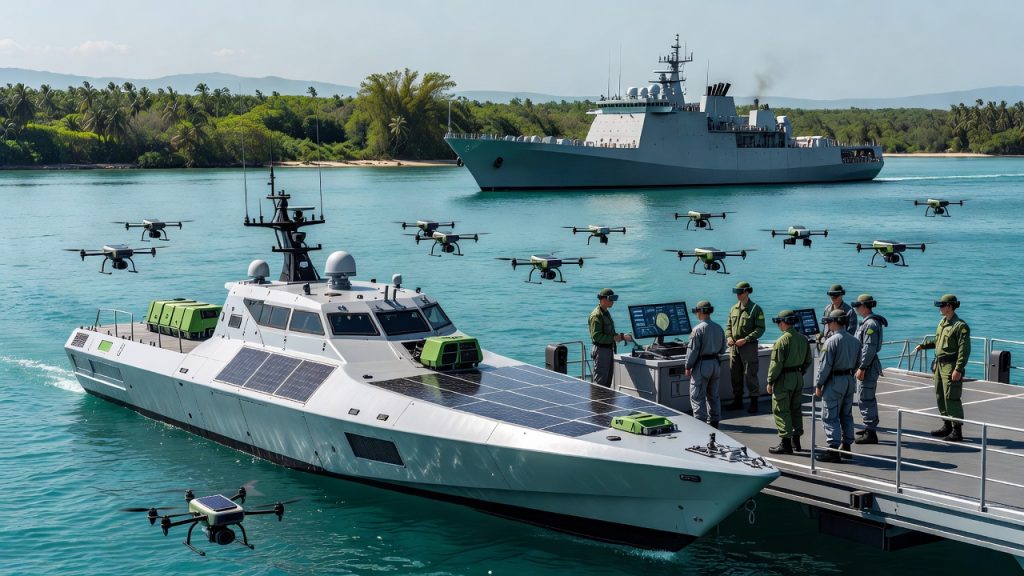
In today’s fast-evolving geopolitical landscape, a story has emerged that captures global attention and raises critical questions about international security and the ethics of military engagement. The recent escalation of U.S. military actions in the Caribbean and Eastern Pacific has become a focal point of international discourse, with reports of additional vessel destruction and rising fatalities. This development signifies a profound intensification of an already controversial campaign, prompting a reevaluation of regional stability, shipping security, and the legal justifications for military actions beyond declared war zones.
Escalation and Its International Implications
At the heart of this issue is the pattern of repeated attacks, with reports indicating that these operations have already claimed 192 lives. Such a scale of engagement transcends mere tactical military events, demanding scrutiny under international law and human-rights frameworks. While officially framed as efforts to confront threats moving through strategic waterways, the increasing human cost and lack of transparent public accountability fuel growing concerns. The demand for clarity on targets, operational authority, and the distinction between combatants and civilians is on the rise.
Complexities of Modern Warfare
This situation is nuanced and complex, raising fundamental questions about modern warfare and military operations far from conventional battlefields. The use of remote strikes, often lacking transparency, creates a widening gap between operational claims and public understanding. The central issue revolves around not only the effectiveness of these strikes but also their political sustainability and legal defensibility. Continued escalation could deepen regional tensions and provoke oversight demands from lawmakers, legal experts, and international institutions.
Broader Implications for Conflict Conduct
The implications of these military actions extend to broader considerations of how conflicts are conducted in the modern era. With remote technology and limited boots on the ground, there is a significant rise in calls for accountability and clarity. This story underscores the strategic and ethical considerations in international relations and military strategy, highlighting the need for transparency in military engagements.
Potential for International Controversy
The ongoing development of this story will be shaped by official statements, casualty updates, and reactions from lawmakers and foreign governments. Should new evidence emerge showing a larger civilian toll or campaign expansion, it could escalate from a security operation to a full-fledged international controversy. This scrutiny reflects a larger shift in global perceptions of military engagements, where transparency and accountability become as critical as the operations themselves.
Conclusion: Balancing Security and Ethical Responsibilities
This story is emblematic of the challenges nations face in balancing security concerns with ethical and legal responsibilities on the international stage. As developments unfold, monitoring responses from international bodies, legal analysts, and governments will be crucial to understanding the full impact of these military actions on global diplomacy and human rights. The stakes are high, and the world watches closely as this situation evolves, shaping the discourse around military engagement and international law in the 21st century. Share your thoughts in the comments below.