EU Locks In 90% Emissions Target for 2040 as COP30 Stalls on Fossil Fuels
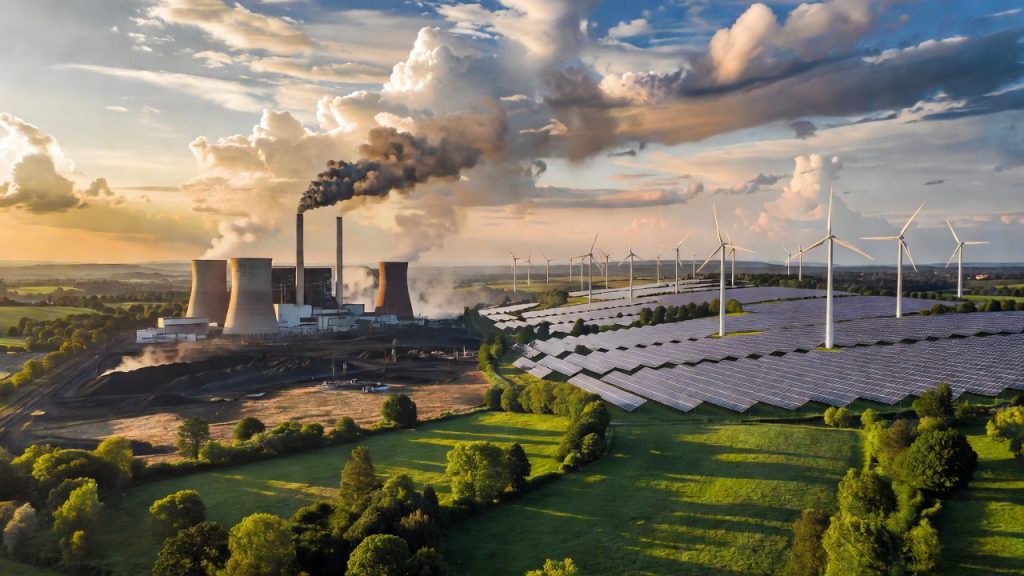
Two major climate events unfolded this week on opposite sides of the Atlantic — and together they paint a revealing picture of where environmental policy stands in 2025. The European Union formally approved an ambitious 90% greenhouse-gas emissions reduction target for 2040, cementing its position as the world’s most aggressive climate regulator. Meanwhile, in Belém, Brazil, COP30 negotiations hit a wall after draft agreement text dropped earlier language calling for a global fossil-fuel exit pathway. The contrast could hardly be sharper.
Europe Hardens Its Climate Trajectory
The EU’s final approval of the 2040 climate target — a 90% cut in net greenhouse-gas emissions compared to 1990 levels — is not just a symbolic milestone. It is a legally binding direction of travel that will reshape compliance requirements, investment strategies, and reporting obligations for thousands of businesses operating across the bloc.
This target bridges the EU’s existing 2030 goal (a 55% reduction under the European Green Deal) and the long-term objective of climate neutrality by 2050. For companies, it signals that the regulatory environment will only tighten. Sectors from heavy industry and agriculture to transport and real estate will need to accelerate decarbonisation plans, integrate renewable energy sources into their operations, and prepare for stricter emissions accounting.
Yet the same week brought a notable counterweight: the EU also finalised a rollback of parts of its supply-chain due-diligence rules, easing environmental and human-rights accountability requirements for businesses after sustained lobbying from industry groups and several member governments. Critics argue this weakens the coherence of European environmental policy — toughening climate targets on one hand while reducing corporate accountability on the other. Supporters say it prevents regulatory overload that could undermine competitiveness. The tension between ambition and pragmatism is alive and well in Brussels.
COP30: Climate Diplomacy at a Crossroads
In Belém, the stakes at COP30 are enormous — and the mood is tense. Negotiators are deadlocked after a key draft text omitted the fossil-fuel exit language that had been a hard-won breakthrough at COP28 in Dubai. The summit, which was already expected to be difficult, now risks running into the weekend without a consensus agreement.
The core dispute reflects a deeper fracture in global climate diplomacy: how fast should the world phase out coal, oil, and gas, and who bears the cost of that transition? Developing nations, many of which are still expanding fossil-fuel infrastructure to meet energy needs and fund development, are pushing back against language that could constrain their options. Major oil-producing states are resisting any firm commitment to an exit timeline.
For biodiversity and conservation advocates, the failure to agree on strong fossil-fuel language carries consequences well beyond carbon accounting. Continued fossil-fuel expansion drives habitat destruction, ocean acidification, and air and water pollution — all of which accelerate biodiversity loss and undermine the ecosystems that communities depend on. Climate change and nature loss are inseparable crises, and COP30’s outcome will signal whether the international community grasps that connection.
The Hydrogen Reality Check and the Economics of Transition
Adding another layer of complexity, Exxon Mobil this week halted plans for one of the world’s largest hydrogen projects, citing insufficient customer demand. The decision is a stark reminder that even well-capitalised clean-energy projects cannot advance without bankable offtake agreements and real market demand.
Hydrogen has been central to European industrial decarbonisation strategies, particularly for hard-to-abate sectors like steel, chemicals, and long-haul transport. The Exxon news underscores that the energy transition is not just a policy challenge — it is an economic one. Renewable energy deployment is accelerating, but bridging technologies like green hydrogen still require coordinated demand signals, public support mechanisms, and long-term contracts to become commercially viable at scale.
What This Means for Citizens, Businesses, and Policymakers
The week’s developments carry clear implications across different audiences:
- Businesses operating in Europe must treat the 2040 target as a hard planning horizon — not a distant aspiration. Investment in low-carbon infrastructure, supply-chain transparency, and emissions reporting needs to accelerate now.
- Policymakers at national and EU level face pressure to ensure that regulatory easing does not erode the credibility of Europe’s climate leadership or create accountability gaps in global supply chains.
- Citizens and civil society should watch COP30 closely: whether negotiators restore fossil-fuel exit language will determine whether the summit produces a meaningful signal or a missed opportunity.
The key takeaway is this: Europe is moving forward on climate and environmental policy, but the global picture remains deeply uneven. Strong domestic targets mean little if international climate diplomacy cannot agree on the basics. The coming days in Belém will tell us a great deal about whether the world is serious about the transition — or still negotiating the terms of delay.