EU Climate Law 2040 Target Is Now Legally Binding: What It Means for Business and Policy
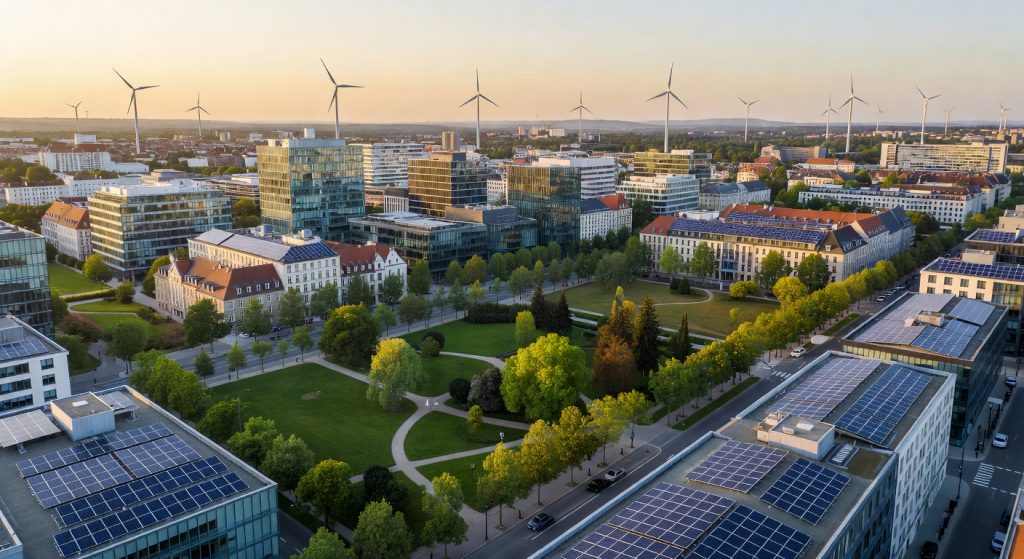
Europe’s climate ambition just gained a new layer of legal weight. In April 2026, the amendment to the EU Climate Law officially entered into force, making the 2040 emissions reduction target legally binding across all 27 member states. The target — a 90% cut in net greenhouse-gas emissions from 1990 levels — is now enshrined in EU law alongside the existing 2050 climate-neutrality goal. For businesses, investors, and policymakers, this is not a distant aspiration. It is a hard deadline with regulatory consequences.
A New Legal Anchor for European Climate Policy
The 2040 target fills a critical gap in the EU’s long-term climate policy architecture. Previously, Europe had a clear 2030 milestone — at least 55% net emissions reduction under the Fit for 55 package — and a 2050 neutrality goal, but no legally enforceable intermediate step. That gap created uncertainty for long-cycle investments in energy infrastructure, heavy industry, and real estate.
Now, the trajectory is locked in. The amended Climate Law also permits the limited use of high-quality international carbon credits to count toward the target, offering some flexibility while maintaining environmental integrity. This provision matters especially for sectors where domestic abatement is technically or economically challenging in the short term.
The broader EU Green Deal framework, of which this law is a cornerstone, has already produced over 175 directives and regulations covering carbon pricing, sustainability reporting, supply-chain due diligence, and clean-energy investment. The 2040 target reinforces the direction of travel for all of them.
Carbon Markets Expand, Compliance Costs Rise
The legal milestone arrives alongside a significant structural shift in Europe’s carbon markets. From 2027, the EU Emissions Trading System (ETS) will extend to cover buildings and road transport fuels — two of the largest sources of emissions currently outside carbon pricing. This means households, landlords, and fuel distributors will increasingly face a price on pollution, with revenues intended to support cleaner alternatives and social compensation measures.
Meanwhile, corporate compliance pressure is intensifying on multiple fronts. The Green Deal’s regulatory package now includes:
- Sustainability reporting requirements under the Corporate Sustainability Reporting Directive (CSRD), affecting thousands of large and mid-sized companies operating in Europe.
- Supply-chain due diligence obligations that require businesses to assess and address environmental and human rights risks across their value chains.
- Green claims and product rules designed to curb greenwashing and raise the bar for environmental labelling.
For multinationals and SMEs alike, the cost of non-compliance — reputational, financial, and legal — is rising. But so is the cost of inaction on decarbonization itself, as environmental regulation tightens across every major sector.
Public Funding as the Engine of Transition
Binding targets and carbon pricing alone cannot drive the scale of transformation Europe needs. Public investment remains essential. The European Commission has committed approximately €275 billion from NextGenerationEU and REPowerEU, plus a further €118 billion from Cohesion Policy funds, to support the clean transition. These resources are flowing into grid modernisation, building renovation, industrial decarbonisation, and low-carbon innovation — particularly in regions and sectors most exposed to the shift away from fossil fuels.
The Fit for 55 measures already adopted set concrete interim milestones: final energy consumption to fall by 11.7% by 2030, renewables to reach 42.5% of the energy mix by 2030, and net emissions to drop by at least 55% in the same timeframe. These are not aspirational figures — they are binding obligations backed by national energy and climate plans.
Implications: Who Needs to Act, and How Fast
The entry into force of the 2040 target sends a clear signal to every actor in the European economy. Energy companies must accelerate the retirement of fossil assets. Industrial manufacturers face mounting pressure to invest in electrification, green hydrogen, and carbon capture. Financial institutions will need to align portfolios with the new trajectory or face growing exposure to stranded-asset risk. And national governments must translate EU-level ambition into credible domestic policies — a step where implementation gaps remain significant in several member states.
Globally, the EU’s move raises the bar in international climate diplomacy. With a legally binding 2040 target, Europe strengthens its position ahead of future UN climate negotiations and puts pressure on trading partners to match its ambition — or face potential carbon border adjustment costs.
Key takeaway: The EU Climate Law amendment is not just a policy update — it is a structural shift in Europe’s regulatory landscape. For anyone operating in or with Europe, the 2040 target is now a planning reality, not a political promise. The time to align strategies, investments, and disclosures with this new baseline is now.