AI’s Energy Hunger Is Reshaping the Cleantech Landscape — and Europe Is Responding
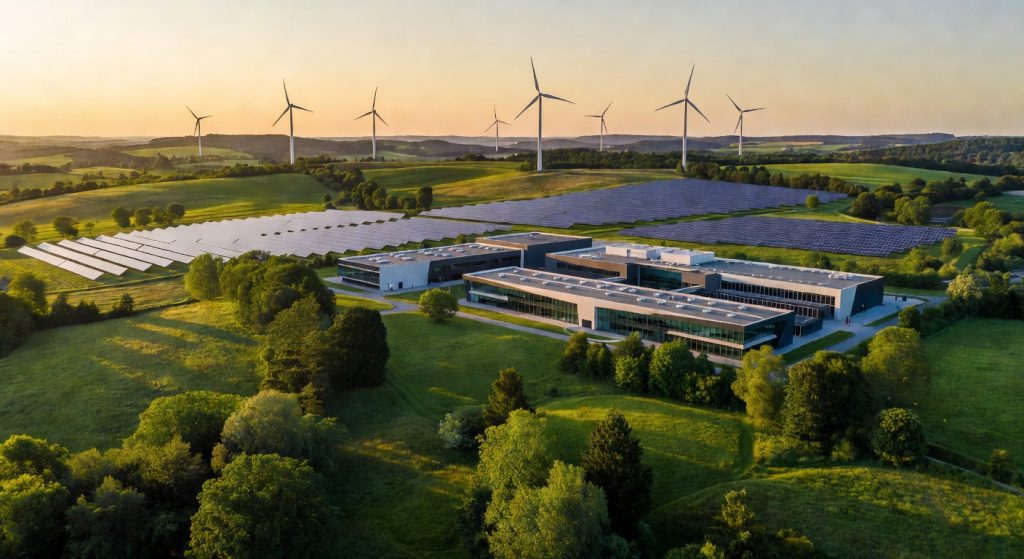
Artificial intelligence was supposed to be a tool for solving the climate crisis. Increasingly, it is also becoming one of its most demanding contributors. The explosive growth of AI infrastructure is sending electricity demand soaring, and that shift is quietly redrawing the map of the global energy transition — creating winners in the cleantech sector while forcing regulators to act fast.
The AI Boom Is Electrifying the Green Tech Market
Data centers now account for roughly 1–2% of global electricity consumption, and that share is rising sharply. According to Reuters, EU policymakers are already proposing binding energy standards for data centers, recognising that the digital infrastructure underpinning AI cannot remain a regulatory blind spot. The International Energy Agency projects that data center electricity demand could double by 2026 compared to 2022 levels.
For green technology companies, this is proving to be an unexpected growth engine. Market analysts note that cleantech firms supplying grid solutions, energy storage, and efficiency hardware to data center operators have significantly outperformed broader indices as AI demand lifts power needs. From smart cooling systems to on-site renewable generation, the data center sector is becoming a major procurement channel for green innovation. In this sense, AI is functioning as an involuntary catalyst for clean-energy investment — not out of altruism, but out of necessity.
Europe Moves to Set the Rules Before the Problem Scales
The EU’s proposed energy standards for data centers represent a characteristically European approach: regulate early, set the benchmark, and let the market adapt. This follows the logic of the Energy Efficiency Directive and fits within the broader ambition of the European Green Deal. If adopted, these standards would require operators to report on power usage effectiveness (PUE), water consumption, and renewable energy sourcing — metrics that are currently voluntary for most facilities.
This regulatory momentum matters beyond Europe’s borders. As with the General Data Protection Regulation (GDPR) and the Carbon Border Adjustment Mechanism (CBAM), EU rules tend to set a de facto global standard that multinational companies follow regardless of where they operate. For the cleantech industry, tighter data center regulation translates directly into procurement requirements for energy-efficient hardware, waste-heat recovery systems, and low-carbon cooling — all areas where European firms hold competitive expertise.
Meanwhile, the energy transition supply chain itself is evolving. Reuters reports that China’s major solar manufacturers are pivoting toward battery storage as panel prices soften, signalling a maturation of the sector. Pure solar manufacturing is giving way to integrated energy systems — a trend that aligns closely with what smart cities and industrial decarbonization programmes actually need.
The Next Cleantech Frontier: Efficiency, Storage, and Industrial Decarbonization
Beyond the data center story, a broader shift is underway in the green innovation pipeline. Recent industry reporting highlights a new generation of deployable solutions moving from pilot to commercial scale:
- Smart glass that dynamically controls solar heat gain in buildings, reducing cooling loads without sacrificing natural light
- Waste-heat recovery systems that capture thermal energy from industrial processes and data centers alike
- Carbon capture-to-products technologies that convert CO₂ into construction materials, chemicals, or fuels
- Low-carbon cement alternatives, addressing one of the hardest-to-abate industrial sectors
These are not moonshot technologies. They are practical, scalable tools that can be deployed within existing infrastructure — exactly what the next phase of the energy transition requires. Global clean-energy buildout continues apace, with solar expansion accelerating in both China and India, though AP reporting also flags risks such as lead exposure linked to informal solar panel disposal in parts of Africa — a reminder that scaling fast without safeguards creates its own problems.
What This Means for Citizens, Cities, and Decision-Makers
The convergence of AI demand, tighter regulation, and a maturing cleantech supply chain has real implications at every level. For electric mobility and smart cities planners, the message is clear: the grid is under pressure, and efficiency is no longer optional. For investors and policymakers, the data center sector is emerging as both a risk and an opportunity — a major new load on the electricity system that, if managed well, could accelerate the deployment of storage, renewables, and demand-response infrastructure.
Key takeaway: AI is reshaping the cleantech market in ways few anticipated. Europe’s regulatory response — setting energy standards for data centers while pushing industrial decarbonization — positions the continent to lead the next chapter of the green technology transition. The challenge is ensuring that the rules keep pace with the technology, and that the benefits of this new investment wave reach communities and ecosystems, not just balance sheets.