EU Locks In 90% Emissions Cut by 2040 — But Softens Supply-Chain Rules at the Same Time
The European Union has taken two significant steps in the same week — and they point in opposite directions. On one hand, EU member states formally approved a landmark 2040 climate target to cut greenhouse-gas emissions by 90% compared to 1990 levels, cementing Europe’s long-term commitment to fighting climate change. On the other hand, those same governments agreed to water down rules that required companies to scrutinize environmental and human-rights risks across their supply chains. Together, these decisions reveal the central tension defining European environmental policy right now: ambition at the macro level, retreat at the micro level.
A 90% Target That Sets the Course for Europe’s Economy
The formal approval of the EU’s 2040 climate target is more than a symbolic milestone. It fills the critical gap between the current 2030 goal — a 55% net emissions reduction under the European Green Deal — and the bloc’s legally binding commitment to reach climate neutrality by 2050. By anchoring the 90% figure in EU law, governments, utilities, manufacturers, and investors now have a clearer long-term signal to guide capital allocation and infrastructure planning.
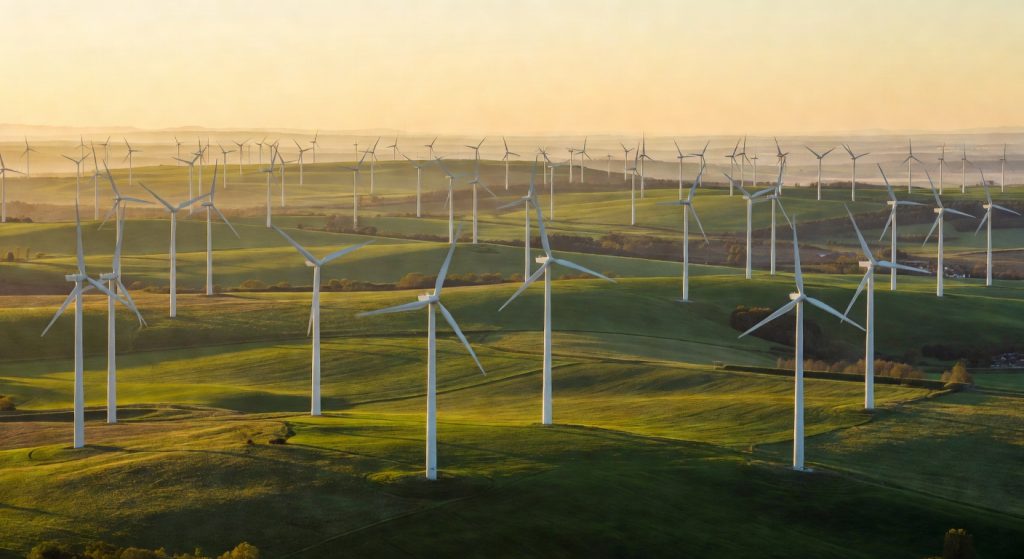
For the renewable energy sector, this matters enormously. Developers of wind, solar, and green hydrogen projects depend on policy certainty to justify decade-long investments. A firm 2040 target reduces regulatory risk and accelerates the buildout of clean infrastructure across the continent. It also sends a message to global markets: Europe is not retreating from its climate commitments, even amid economic headwinds and political pressure.
The decision also arrives in a broader global context. China recently announced a 17% reduction in carbon intensity during its current five-year plan — a significant signal from the world’s largest emitter that industrial decarbonization is accelerating. This intensifies competition in clean-energy technology and puts additional pressure on European industry to modernize or risk falling behind.
Supply-Chain Rules Scaled Back: A Win for Business, a Risk for Accountability
The same week’s decision to soften the Corporate Sustainability Due Diligence Directive (CS3D) tells a more complicated story. The original rules would have required large companies to identify, prevent, and address environmental damage and human-rights abuses throughout their supply chains — including operations by suppliers in third countries. Under pressure from business lobbies and some member states concerned about corporate compliance costs, the revised version narrows the scope of these obligations.
Critics argue this undermines the credibility of Europe’s environmental policy. If companies are not held accountable for pollution, deforestation, or labor abuses linked to their supply chains, the EU’s green targets risk becoming a domestic exercise while harm continues to be exported. Conservation groups and human-rights organizations have warned that weakening due diligence rules sends the wrong signal precisely when biodiversity loss and ecosystem degradation are accelerating globally.
Supporters of the rollback counter that overly burdensome rules risk pushing companies to relocate operations outside Europe, reducing the bloc’s ability to influence global standards at all. The debate reflects a genuine dilemma in environmental policy: how to set high standards without creating competitive disadvantages that ultimately reduce overall impact.
Adaptation Cannot Wait: The Physical Risks Are Already Here
While the policy debate continues, the physical reality of climate change is not pausing. Recent climate science and reporting consistently highlight worsening conditions across Europe and globally:
- Record heat events are becoming more frequent and severe, straining energy grids and public health systems.
- Water stress is intensifying across southern and central Europe, threatening agriculture, hydropower, and urban water supply.
- Stronger storm impacts are increasing insurance losses and exposing gaps in infrastructure resilience.
- Biodiversity loss continues to accelerate, with cascading effects on food systems and natural carbon sinks.
These trends reinforce why both mitigation and adaptation must advance together. A 90% emissions target addresses the long-term trajectory, but governments and businesses also need urgent investment in resilience — from flood defenses to drought-resistant agriculture and nature-based solutions.
What This Means Going Forward
The EU’s dual move this week reflects a political reality: climate ambition and economic pragmatism are in constant negotiation. The 2040 target is a genuine achievement that strengthens Europe’s position as a global leader on climate change. But easing supply-chain accountability rules risks creating a credibility gap — strong targets at home, weaker pressure on the global impacts of European consumption.
The key takeaway: Long-term targets only deliver if implementation rules are strong enough to drive real change across entire value chains. Europe’s challenge now is to close that gap — not widen it.