Tragic Columbia River Paper Mill Incident: 11 Dead – May 31, 2026
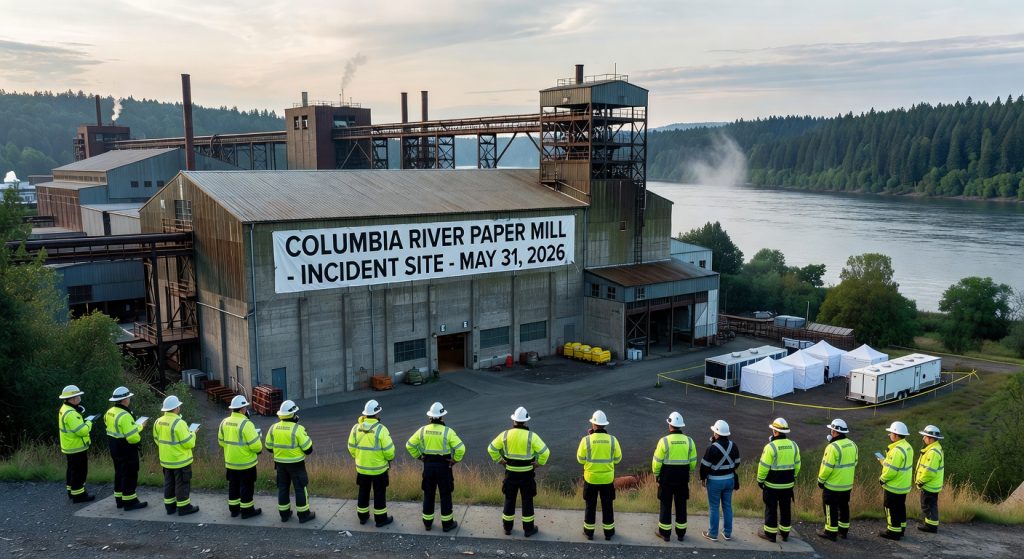
The tragic chemical tank rupture at a paper mill on the banks of the Columbia River has cast a shadow over the community, with at least 11 lives lost. This devastating event has stirred significant concerns regarding worker safety, environmental impact, and industrial oversight. Beyond its immediate human cost, this incident poses a potential environmental emergency, with far-reaching implications beyond the plant itself.
The Broader Implications of Industrial Accidents
While industrial accidents of this magnitude are rare, they serve as stark reminders of the vulnerabilities in our safety systems. This incident underscores the need for rigorous safety protocols and the vigilance required to prevent such tragedies. It also highlights broader issues resonating across the industrial sector, questioning the effectiveness of current maintenance practices and regulatory oversight.
The Human Toll
At the heart of this disaster is the human toll. The loss of life highlights the risks faced by workers in industrial settings. As investigations continue, questions arise about the adequacy of warnings, evacuation procedures, and whether any design or operational factors contributed to the failure. These inquiries address the fundamental issue of how we value and protect human life in high-risk environments.
Environmental and Local Impact
The potential for chemical contamination of surrounding waterways poses significant risks to air quality, river ecosystems, and public health. First responders are tasked with managing immediate rescue efforts while containing any hazardous substances. This adds complexity to an already challenging situation, with families and local officials grappling with uncertainty and grief.
Regulatory Frameworks and Accountability
This incident raises critical questions about regulatory frameworks and accountability. Should evidence of equipment failure or inadequate maintenance emerge, it could prompt a broader examination of safety practices within the industry. Such findings might lead to regulatory reviews, lawsuits, and necessary operational shutdowns or costly cleanup efforts.
A Catalyst for Change
The potential for broader debate on monitoring aging industrial infrastructure and handling chemical hazards is significant. This incident could serve as a catalyst for change, prompting industries and regulatory bodies to reassess their practices. It emphasizes the need for improved approaches to safety and environmental protection.
In closing, while the immediate focus remains on the victims and their families, it is crucial to consider the lessons from this tragedy. By examining root causes and addressing systemic issues, we can honor those lost and strive for a safer, more sustainable industrial landscape. This is a moment for reflection, accountability, and above all, progress. Share your thoughts in the comments below.