EU Locks In 90% Emissions Cut by 2040: What It Means for Business, ESG, and the Green Transition
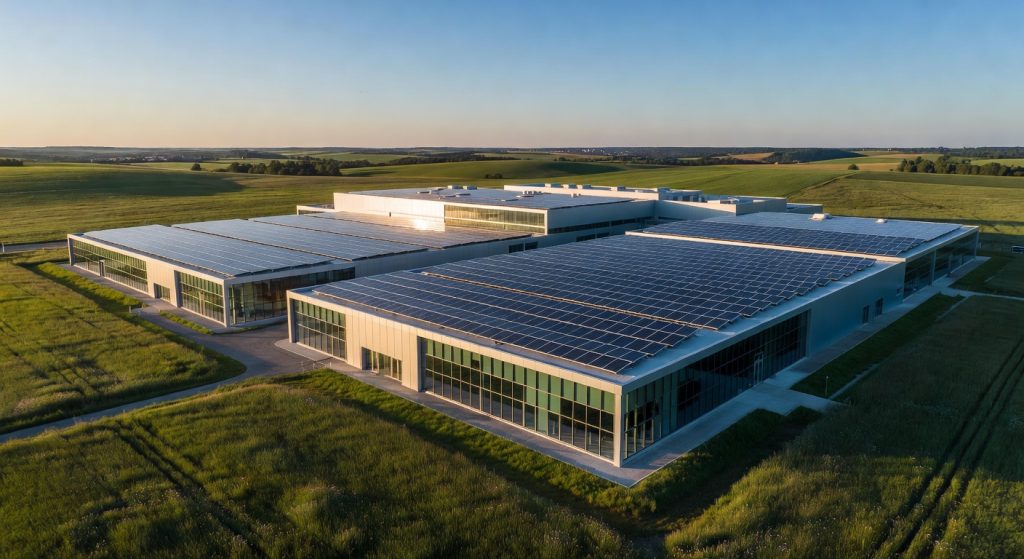
The European Union has taken a defining step in its climate journey: member states have given final approval to a 2040 climate target requiring a 90% reduction in greenhouse gas emissions compared to 1990 levels. The decision cements the EU’s position as the world’s most ambitious large-economy climate regulator — but it arrives alongside a series of quieter retreats on corporate sustainability rules that reveal a more complicated picture for ESG and green business strategy.
A Landmark Target — With a Contradictory Footnote
The 90% emissions reduction goal is not symbolic. It sets a binding trajectory between the current 2030 target (at least 55% net reduction) and the bloc’s 2050 climate neutrality commitment under the European Climate Law. For industries ranging from steel and cement to agriculture and transport, it translates into hard planning horizons, capital reallocation pressures, and accelerated decarbonization timelines.
Yet the same policy moment has produced a notable contradiction. The EU has simultaneously scaled back its Corporate Sustainability Due Diligence Directive (CS3D), reducing the obligations on companies to audit and address environmental and human rights risks across their supply chains. Brussels has also reportedly dropped plans for an emissions label for steel in its upcoming ‘made in Europe’ industrial law — a move that could undermine efforts to reward green steel production through public procurement and industrial policy.
The message to the business community is mixed: long-term climate ambition is locked in, but near-term corporate responsibility requirements are being softened under sustained lobbying pressure from industry groups and several member state governments.
ESG Under Pressure: Ambition vs. Compliance Relief
For sustainability professionals and investors focused on ESG (environmental, social, and governance) performance, this regulatory recalibration creates genuine uncertainty. On one hand, the 2040 target strengthens the long-term investment case for sustainable finance, clean technology, and circular economy business models. On the other, the weakening of supply chain due diligence rules risks diluting the quality and comparability of corporate sustainability disclosures.
The retreat on CS3D is particularly significant. Rigorous supply chain transparency is a cornerstone of credible ESG assessment — without it, investors and consumers have fewer tools to distinguish genuine green business leadership from greenwashing. Critics argue that easing these rules sends the wrong signal precisely when climate risk is intensifying.
And the science is unambiguous on urgency: new climate-risk research highlighted by Earth.Org estimates a 91% probability that global average temperatures will exceed 1.5°C above pre-industrial levels for at least one of the next five years. That threshold — the more ambitious limit set by the Paris Agreement — is no longer a distant scenario. It is an imminent reality that demands faster adaptation investment, stronger resilience planning, and more — not less — corporate accountability.
Industrial Decarbonization: The Green Steel Question
The decision to drop an emissions label for steel in the ‘made in Europe’ framework deserves particular scrutiny. Green steel — produced using hydrogen or electric arc furnaces powered by renewables — is one of the most capital-intensive and strategically important decarbonization challenges in European industry. Visibility matters: procurement labels and standards create market signals that justify the higher upfront costs of low-carbon production.
Without clear emissions labelling, the competitive advantage for producers investing in green steel becomes harder to monetise, potentially slowing the very industrial transformation the 2040 target demands. For the circular economy and sustainable manufacturing to scale, policy coherence between climate targets and industrial tools is essential.
Implications for Citizens, Businesses, and Decision-Makers
- Businesses should treat the 2040 target as a firm strategic anchor, regardless of near-term compliance relief — transition costs will not disappear, they will compound.
- Investors in sustainable finance need to scrutinise ESG data quality more carefully as due diligence requirements weaken at the regulatory level.
- Citizens will face both the costs and benefits of faster decarbonization — from energy bills to air quality — and deserve transparent information about how EU policy choices are made.
- Policymakers must address the growing gap between long-term climate ambition and short-term corporate accountability if the green transition is to be credible and just.
Key Takeaway
The EU’s 90% emissions target for 2040 is a genuine milestone for climate policy — but it risks being undermined by simultaneous retreats on corporate sustainability and industrial transparency. For the green transition to succeed, ambition and accountability must move together. The next five years, with 1.5°C likely to be breached at least temporarily, leave no room for regulatory mixed messages.