EU Locks In 90% Emissions Cut by 2040: What It Means for Business, Finance, and Citizens
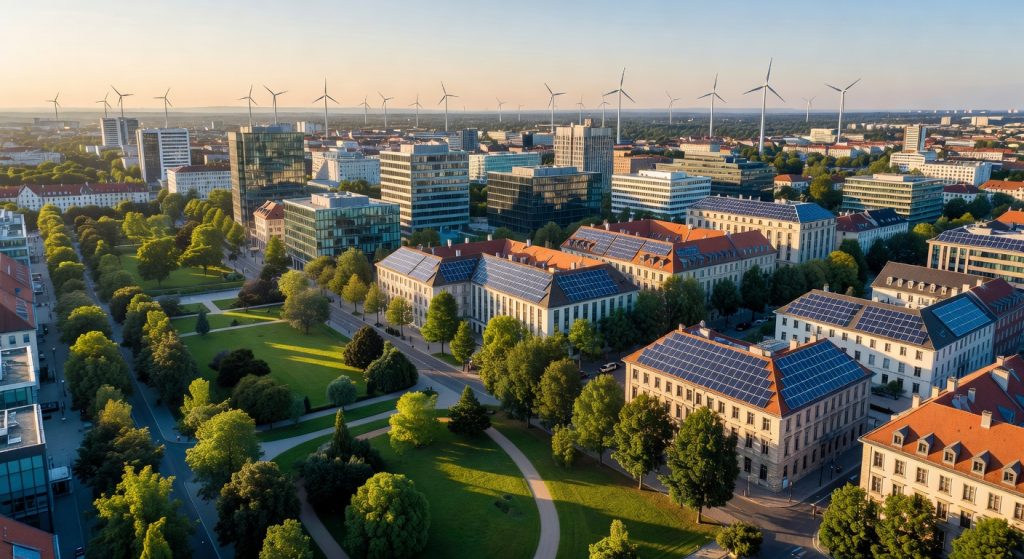
The European Union has taken one of its most consequential climate steps in years. EU member states have given final approval to a binding target of cutting greenhouse-gas emissions by 90% by 2040 compared to 1990 levels — a milestone that will reshape regulation, investment, and daily life across the bloc for the next decade and beyond. For anyone tracking sustainability, ESG performance, or the future of green business in Europe, this is the policy signal that changes the game.
A Binding Target That Raises the Stakes for Corporate Decarbonization
Unlike voluntary pledges or aspirational roadmaps, this is a legally binding commitment embedded in EU climate law. That distinction matters enormously for corporate responsibility and transition planning. Companies operating in Europe — whether in energy, manufacturing, transport, or financial services — now face a clearer and more demanding long-term trajectory.
The 90% target sits between the EU’s existing 2030 goal (a 55% net reduction under the European Green Deal’s Fit for 55 package) and the bloc’s overarching ambition of climate neutrality by 2050. It effectively closes the gap, signalling that the pace of decarbonization must accelerate significantly in the second half of this decade.
For businesses, the implications are immediate even if the deadline is fifteen years away. Capital expenditure decisions made today — in infrastructure, industrial processes, fleet management, or real estate — will be evaluated against this 2040 benchmark. ESG reporting frameworks, including the EU’s own Corporate Sustainability Reporting Directive (CSRD), are likely to incorporate the 2040 trajectory into transition plan requirements. Companies that cannot demonstrate credible alignment with a 90% reduction pathway will face growing pressure from regulators, investors, and customers alike.
Sustainable Finance: A New Anchor for Long-Term Investment
The approval of the 2040 target also sends a powerful signal to capital markets. Sustainable finance in Europe has long relied on policy certainty to direct flows toward green assets — and this decision provides exactly that. The EU Taxonomy, green bond standards, and climate-related financial disclosure requirements all gain additional weight when anchored to a firm legislative milestone.
Institutional investors, asset managers, and banks operating under ESG mandates will now have a clearer benchmark against which to assess the climate alignment of their portfolios. The carbon market, too, is likely to respond: the EU Emissions Trading System (ETS) — already the world’s largest carbon market — will need to reflect the tighter 2040 ambition in its cap trajectory, which could push carbon prices higher over the medium term.
For the circular economy, this is equally significant. Achieving a 90% reduction in emissions is not possible through energy transition alone; it requires rethinking how materials are produced, used, and recovered. Circular business models — from product-as-a-service to industrial symbiosis — are set to become not just environmentally preferable but economically rational as compliance costs rise and resource efficiency gains in value.
What This Means for Citizens and Everyday Life
Beyond boardrooms and trading floors, the 2040 target will shape the lived experience of Europeans in tangible ways. The pace of transition in energy, transport, and home heating will accelerate as governments translate the EU target into national policies, subsidies, and regulations.
- Energy: Faster rollout of renewables and phaseout of fossil fuels in power generation, affecting energy bills and grid infrastructure.
- Transport: Continued pressure on combustion engine vehicles and stronger incentives for electric mobility and public transit.
- Buildings: Stricter energy efficiency standards for homes and commercial properties, with renovation programmes likely to expand.
- Consumption: Tighter product regulations and labelling requirements that reflect lifecycle emissions, nudging purchasing decisions.
While political resistance to climate ambition has grown in parts of Europe, the binding nature of this target means it cannot simply be reversed by a change of government at the national level — it is now embedded in EU law.
Key Takeaway
The EU’s approval of a 90% emissions reduction target for 2040 is not a distant aspiration — it is a legal anchor that will drive regulation, corporate ESG strategy, sustainable finance flows, and public policy across Europe for the next fifteen years. For businesses, the message is clear: transition plans must be credible, measurable, and accelerated. For citizens, the green transition is moving faster than ever. And for the global sustainability agenda, Europe continues to set the pace — even as the road ahead remains politically and economically demanding.