EU Locks In 90% Emissions Cut by 2040: What It Means for Business, ESG, and the Green Economy
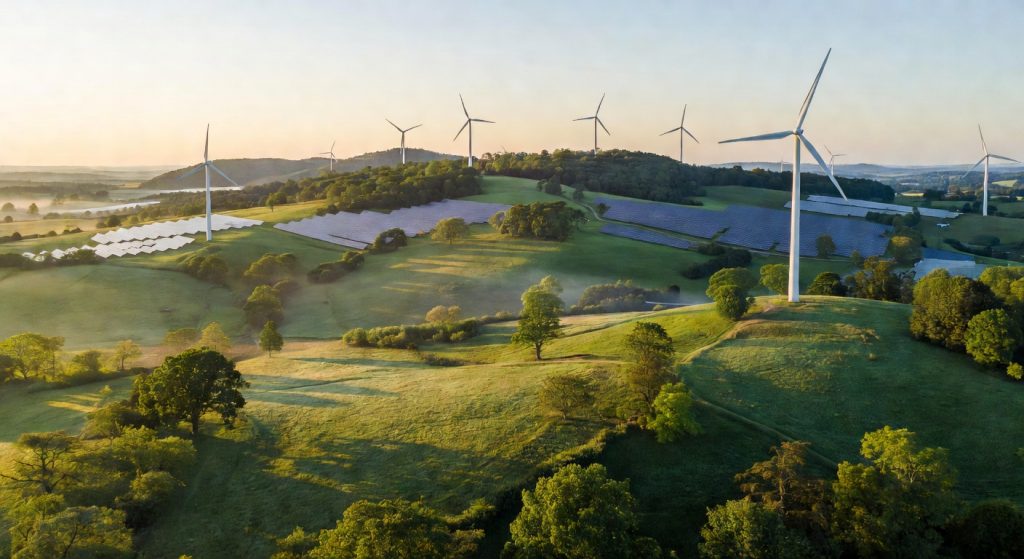
The European Union has taken one of its most consequential climate steps in years. With the formal approval of a 90% greenhouse gas emissions reduction target by 2040, Brussels has sent an unambiguous signal to businesses, investors, and policymakers: the green transition is not slowing down. For companies operating across Europe, this is not just a political headline — it is a strategic inflection point that will reshape carbon pricing, industrial policy, and sustainability reporting for the decade ahead.
A Policy Signal That Will Reshape Corporate Strategy
The 2040 target, which bridges the EU’s existing 2030 goal of a 55% net emissions reduction and the bloc’s 2050 climate neutrality commitment, creates a clear and legally anchored trajectory for decarbonization. For businesses, this means one thing above all: long-term regulatory certainty.
Companies that have delayed serious investment in low-carbon technologies, energy efficiency upgrades, or supply-chain decarbonization now face a narrowing window. The target is expected to accelerate revisions to the EU Emissions Trading System (ETS), tighten industrial benchmarks, and raise the bar for climate-related financial disclosure under frameworks such as the Corporate Sustainability Reporting Directive (CSRD).
For the sustainable finance ecosystem, the implications are equally significant. Investors and asset managers who have been navigating ESG integration will find that credible transition plans — not just net-zero pledges — become the new baseline expectation. As one key market trend confirms, climate risk is increasingly affecting investment portfolios and business strategy, and the 2040 target adds regulatory weight to what was previously driven largely by voluntary commitments.
Nature Risk Enters the Equation: Africa’s Forests Sound a Global Alarm
The EU’s climate ambition does not exist in a vacuum. A stark reminder of the broader planetary context comes from recent research showing that Africa’s forests have shifted from net carbon absorbers to net carbon emitters since 2010 — a reversal driven by deforestation, land-use change, and climate stress. This is not a distant ecological footnote. It is a direct challenge to the carbon accounting assumptions underpinning global climate models and corporate offsetting strategies.
For companies relying on nature-based solutions or forest carbon credits to meet sustainability targets, this finding demands scrutiny. The circular economy and green business models that depend on stable natural systems must now account for accelerating ecosystem degradation. Nature loss is no longer a separate ESG pillar — it is deeply intertwined with climate risk, supply-chain resilience, and long-term business viability.
European regulators are already moving in this direction. The EU Nature Restoration Law and the Corporate Sustainability Due Diligence Directive (CSDDD) both reflect a growing recognition that corporate responsibility extends to biodiversity and land-use impacts, not just carbon emissions.
Resilience, Disaster Risk, and the Rising Cost of Inaction
Beyond emissions targets and nature loss, a third pressure is building: the intensifying debate around disaster prevention, industrial risk, and community resilience. Extreme weather events — floods, wildfires, droughts — are no longer tail risks. They are recurring business disruptions with measurable financial consequences for insurers, infrastructure operators, and companies with high environmental exposure.
For ESG-focused investors, this translates into sharper questions about physical climate risk in portfolios. For businesses, it means resilience planning must move from sustainability reports into operational strategy. Governments across Europe are under pressure to modernize risk management frameworks, and companies that get ahead of this curve will hold a competitive advantage in both regulatory compliance and stakeholder trust.
Implications for Businesses and Investors
Taken together, these developments point to a sustainability landscape that is becoming simultaneously more ambitious and more complex. Key implications include:
- Accelerated investment in low-carbon technologies, renewable energy, and energy efficiency across European industry
- Higher expectations for ESG disclosure quality and the credibility of corporate transition plans
- Greater scrutiny of nature-based carbon offsets and biodiversity commitments
- Growing demand for resilience strategies that address physical climate risk alongside transition risk
- Expanded regulatory scope through CSRD, CSDDD, and evolving ETS rules
Key takeaway: The EU’s 90% emissions target by 2040 is more than a climate milestone — it is a structural shift in the rules of doing business in Europe. Combined with alarming signals from global ecosystems and rising resilience pressures, the message for companies and investors is clear: sustainability is no longer a reputational add-on. It is the foundation of long-term viability in a rapidly changing regulatory and natural environment.