Geopolitical Tensions Surge in Strait of Hormuz: May 22, 2026 Analysis
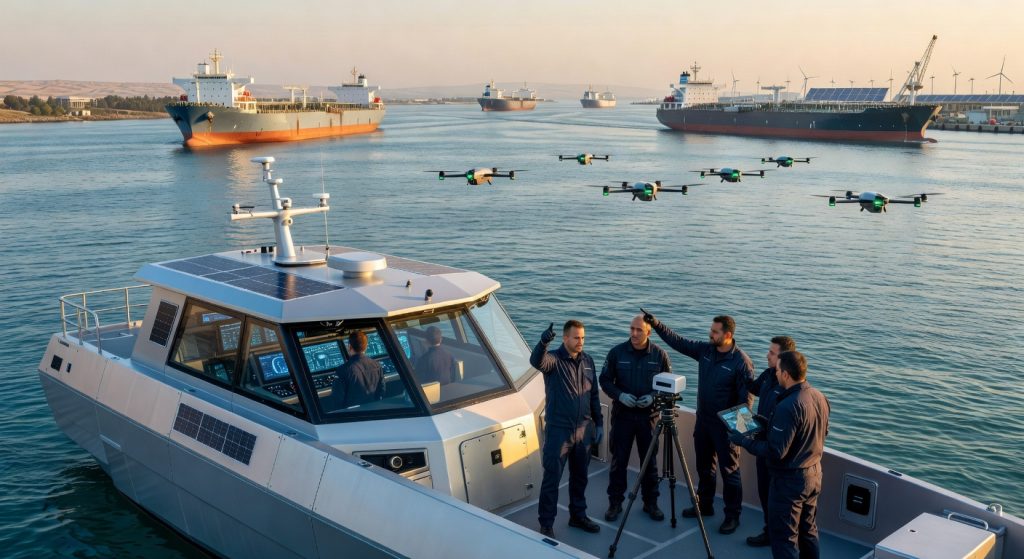
As we delve into today’s most consequential story, we find ourselves at the periphery of an unfolding geopolitical crisis that has the potential to reverberate far beyond its immediate locale. The Strait of Hormuz, a vital artery in global trade, particularly for oil and liquefied natural gas, has become the stage for a tense standoff between the United States and Iran. This escalating situation not only threatens regional stability but also poses a significant risk to the global economy, underscoring the intricate interplay between maritime security and international relations.
The U.S. Naval Escort Mission
The heart of this story is the United States’ decision to initiate a naval escort mission aimed at ensuring the safe passage of commercial vessels through the strait. This decision, while framed as a protective measure, has intensified the stakes in an already volatile region. The U.S. asserts that its actions are designed to maintain the free flow of trade and prevent commercial ships and their crews from getting caught in the crossfire of a broader confrontation. However, Iran’s response has been unambiguous, warning of a forceful reaction should U.S. forces become directly involved. This stark opposition underscores the precariousness of the situation, where the potential for military miscalculation looms large.
Strategic Importance of the Strait
To fully grasp the gravity of the current predicament, we must consider the broader regional context. The Strait of Hormuz has long been a strategic flashpoint in Middle Eastern geopolitics. Iran’s strategic positioning along the waterway affords it considerable leverage, a fact that has not gone unnoticed by global powers. The waterway serves as a critical chokepoint, with a substantial percentage of the world’s energy supplies passing through its narrow confines. Any significant disruption here could precipitate a cascade of economic consequences, affecting not only oil prices and insurance costs but also international trade at large.
Diplomatic Challenges
Diplomatic efforts to defuse tensions are in motion, yet they appear fragile at best. While European leaders advocate for restraint and dialogue, their reluctance to engage militarily leaves the United States in a solitary position, tasked with the dual mandate of safeguarding commercial traffic and averting a wider conflict. This delicate balancing act tests the mettle of military planners and diplomats alike, highlighting the complexity of maintaining peace in a region fraught with historical animosities and competing interests.
Iran’s Dual Dilemma
For Iran, the crisis presents both a challenge and an opportunity. On one hand, any escalation threatens to destabilize the region and potentially provoke international condemnation. On the other, Iran may see this as a moment to assert its influence and extract concessions, leveraging its control over the strait to reinforce its strategic interests. This duality adds an additional layer of complexity to an already intricate geopolitical tapestry.
Global Implications
The implications of this standoff are vast and multifaceted. Should the U.S. escort mission succeed in stabilizing the situation, it may bring temporary relief to shipping lanes, yet at the cost of potentially deepening the militarization of the Gulf. Conversely, if tensions escalate or an incident occurs, the consequences could be severe, leading to a rapid increase in oil prices, disruptions to maritime security, and broader economic ramifications. Even without the outbreak of open conflict, the mere threat of such a disruption is enough to unsettle global markets and prompt governments around the world to re-evaluate their contingency plans.
What makes this story particularly significant is its inherent combination of immediate peril and global relevance. It is not merely a regional dispute but a fast-moving crisis with the potential to impact a critical energy corridor, involve direct military posturing, and trigger rapid escalation with international consequences. Few developments today carry such broad economic implications or such a pronounced risk of global fallout.
In conclusion, as we continue to monitor the evolving dynamics in the Strait of Hormuz, it is imperative to recognize the broader strategic implications at play. This episode serves as a stark reminder of the interconnectedness of global economies and the delicate balance required to maintain peace in regions where historical grievances and strategic interests intersect. As we await further developments, the hope for a diplomatic resolution remains, yet the path forward is fraught with challenges that demand careful navigation and astute decision-making from all parties involved.
Share your thoughts in the comments below.