EU Green Deal: From Bold Targets to the Hard Work of Implementation
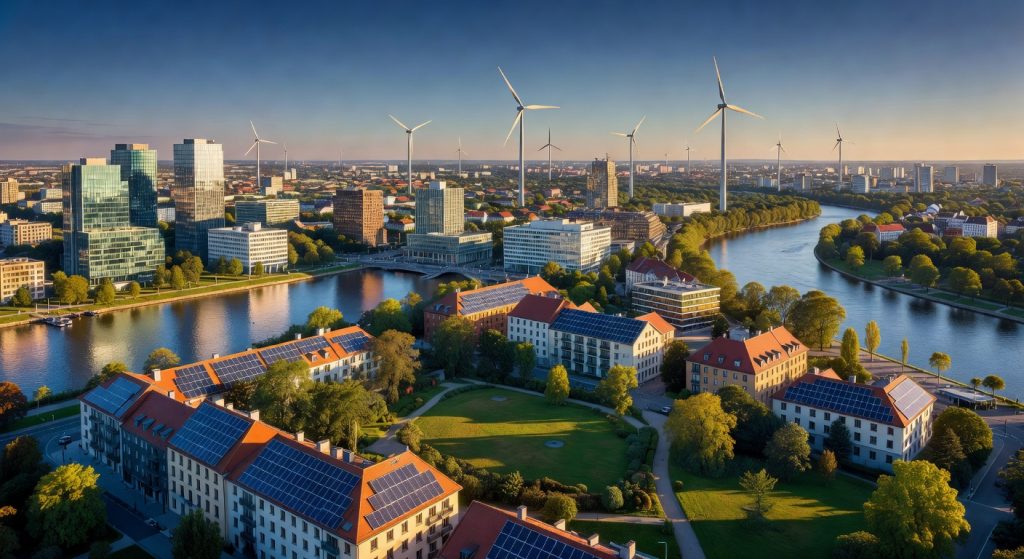
The European Green Deal was always two things at once: a political vision and an administrative marathon. The vision part — legally binding climate neutrality by 2050, at least a 55% cut in greenhouse gas emissions by 2030 — is now firmly on the books. The marathon, however, is far from over. As the European Commission shifts its focus from setting targets to enforcing them, the real battleground has moved into the details: sector-by-sector compliance, carbon market expansion, industrial strategy, and the growing burden of sustainability reporting for businesses of all sizes.
For citizens, companies, and policymakers across Europe, understanding where the Green Deal stands today — and where it is stumbling — matters more than ever.
What the Green Deal Has Already Delivered
It would be wrong to dismiss what has been achieved. The Commission points to a substantial list of milestones already locked in. The EU Emissions Trading System (EU ETS) has been significantly expanded, now extending carbon pricing to the buildings and road transport sectors — areas that together account for a major share of European emissions. The Carbon Border Adjustment Mechanism (CBAM), which places a carbon price on imports of energy-intensive goods, is moving toward full operation, signalling that Europe intends to compete on climate terms globally, not just domestically.
On the investment side, REPowerEU and NextGenerationEU have channelled hundreds of billions of euros toward clean energy, energy efficiency, and green infrastructure. The Net-Zero Industry Act is designed to ensure that Europe does not simply decarbonise its economy while outsourcing clean-tech manufacturing to other regions. These are not minor policy adjustments — they represent a fundamental reshaping of European industrial and energy policy.
Where the Cracks Are Showing
Yet environmental groups and independent analysts are raising legitimate concerns about uneven delivery. The clearest recent example is the EU Deforestation Regulation, which was designed to ensure that products sold in Europe — from soy and palm oil to cattle and cocoa — do not contribute to global forest loss. Enforcement timelines have been postponed, reflecting the persistent tension between climate ambition and the readiness of supply chains and trading partners to comply.
Agriculture and land use remain the most politically sensitive sectors within the Green Deal framework. Farmer protests across Europe in 2024 demonstrated the social and economic pressures that accompany rapid environmental regulation, prompting the Commission to soften some proposals. Critics argue this risks creating gaps in the overall climate strategy, since land use and agriculture are significant sources of emissions and biodiversity loss.
The broader pattern is one of selective momentum: strong progress in energy and carbon markets, slower movement in food systems, land policy, and nature restoration.
What Rising Compliance Pressure Means for Business
For companies operating in Europe, the regulatory landscape is becoming considerably more demanding. Sustainability reporting requirements under the Corporate Sustainability Reporting Directive (CSRD) now apply to thousands of large companies, with smaller firms likely to follow. Green claims are under greater scrutiny, with the EU’s Green Claims Directive pushing for verified, standardised environmental labelling — a direct response to widespread greenwashing.
Packaging rules, product sustainability standards, and supply-chain due diligence obligations are all tightening. Businesses that invest early in measuring and reducing their carbon footprint, and in credible disclosure, are likely to gain a competitive edge. Those that wait face growing legal and reputational risk.
Implications for Citizens and Decision-Makers
For ordinary Europeans, the Green Deal’s practical effects are increasingly visible: cleaner air standards, more ambitious building renovation requirements, and energy bills that reflect both the cost of fossil fuels and the investment in alternatives. The transition is real — and so is its cost, which is why just transition funding and social support mechanisms remain politically essential.
For policymakers at national and regional level, the message is clear: EU-level ambition only translates into real-world outcomes through consistent, well-resourced implementation. Delays and exemptions may ease short-term pressure, but they accumulate into long-term climate risk.
Key takeaway: The EU Green Deal’s architecture is largely in place. The challenge now is execution — closing the gap between legislation and lived reality, sector by sector, country by country. For businesses, citizens, and governments alike, the era of implementation has begun, and the decisions made in the next few years will determine whether Europe’s climate commitments become a genuine transformation or an ambitious set of targets that fell short in practice.