EU’s 90% Emissions Target by 2040: What It Means for Business, Policy, and the Planet
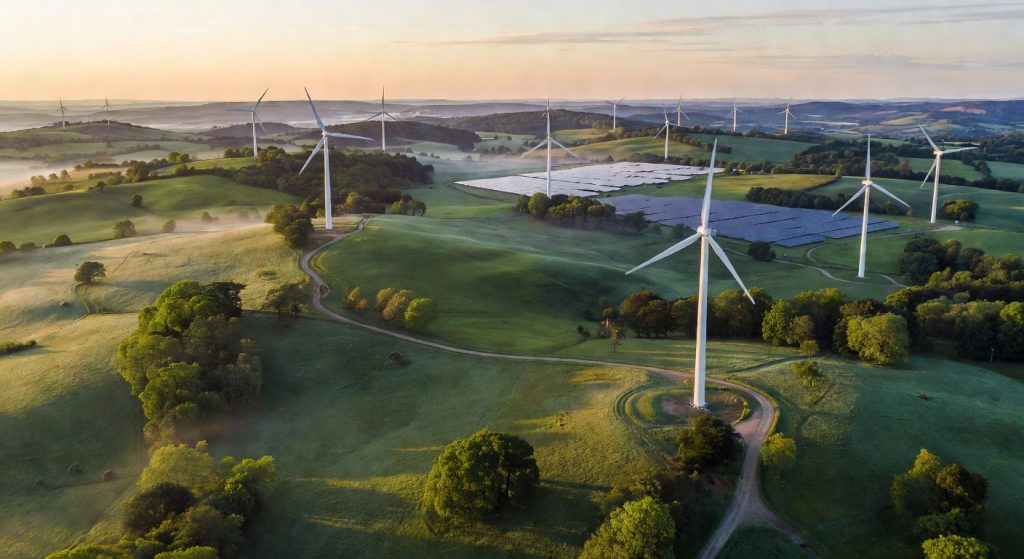
The European Union has taken its most decisive climate step yet. After months of negotiation, EU member states gave final approval to a binding target of reducing greenhouse gas emissions by 90% by 2040 compared to 1990 levels. The move cements Europe’s position as the world’s most ambitious climate policy bloc — but it arrives at a moment of striking global contradiction, raising urgent questions for businesses, investors, and policymakers navigating an increasingly fragmented sustainability landscape.
A Bold Target in a Divided World
The 90% target is not just a number — it is a structural commitment that will reshape investment flows, industrial strategy, and corporate responsibility across the continent for the next fifteen years. It bridges the EU’s existing 2030 goal of a 55% net reduction (under the Fit for 55 package) and the long-term objective of climate neutrality by 2050, creating a clear and legally anchored trajectory for sustainable finance and green business planning.
Yet the global backdrop is far less coherent. While China is accelerating its own climate ambitions — targeting a 3.8% reduction in carbon intensity in 2026 as part of a five-year plan aiming for a 17% overall cut — the United States is moving in the opposite direction. The Trump administration has reportedly cancelled Nevada’s largest solar and storage project, while the SEC is moving to scrap Biden-era climate disclosure rules. This regulatory divergence creates a patchwork of compliance requirements that multinational companies operating across jurisdictions must now urgently address.
For European firms, the message is clear: the direction of travel is set, and ESG integration is no longer optional — it is a legal and competitive imperative.
Corporate Compliance Under Pressure: Supply Chains and Reporting
Paradoxically, even as the EU raises its climate ambition, it has simultaneously weakened one of its key corporate accountability tools. Member states recently approved a scaled-back version of the Corporate Sustainability Due Diligence Directive (CS3D), reducing requirements for businesses to audit environmental and human rights risks across their supply chains. The rollback, driven by lobbying from industry groups and several national governments, has drawn sharp criticism from civil society and sustainable finance advocates.
This tension — ambitious targets paired with softer enforcement mechanisms — reflects a broader challenge in European climate governance: aligning political will with business readiness. Companies now face a dual pressure: preparing for a decarbonised economy while operating under compliance frameworks that remain inconsistent and, in some areas, retreating.
The scrapping of the SEC’s climate disclosure rule adds another layer of complexity. For multinationals listed on both US and EU markets, the absence of a common reporting standard risks duplicating costs, confusing investors, and undermining the credibility of ESG data — a cornerstone of sustainable finance decision-making.
Tipping Points: The Science Is Not Waiting for Policy
While regulators debate timelines and thresholds, the natural world is already crossing its own. New evidence confirms that Africa’s forests — once a critical carbon sink — have reversed course since 2010, now acting as net carbon sources due to accelerating deforestation in tropical regions. This is not a projection; it is a documented shift with immediate implications for global carbon budgets and biodiversity targets under the Kunming-Montreal framework.
For the circular economy and green business communities, this tipping point underscores a fundamental truth: the value of natural capital cannot be deferred. Ecosystem services, forest carbon, and biodiversity are not abstract ESG metrics — they are material risks that are already repricing assets and reshaping insurance, agriculture, and supply chain economics.
Implications for Businesses and Investors
What should decision-makers take from this moment? Several priorities emerge:
- Align long-term strategy with the EU 2040 trajectory — capital expenditure plans, supplier contracts, and product roadmaps should reflect a 90% decarbonisation pathway, not just current compliance floors.
- Build resilient, transparent supply chains — even with CS3D weakened, investor expectations and reputational risk mean that supply chain due diligence remains a strategic necessity.
- Invest in interoperable ESG reporting — companies operating globally need reporting systems that can satisfy both EU (CSRD) and evolving international standards, despite US regulatory retreat.
- Price nature into risk models — the African forest data is a warning signal; natural capital loss must be factored into corporate risk assessments and sustainable finance portfolios.
Key takeaway: The EU’s 90% emissions target by 2040 is a landmark commitment that sets the pace for global climate ambition — but its success depends on closing the gap between headline goals and on-the-ground corporate accountability. In a world of accelerating tipping points and deepening regulatory divergence, the businesses and investors that treat sustainability as a core operating principle — not a compliance checkbox — will be best positioned for the decade ahead.