EU Locks In 90% Emissions Cut by 2040: What the New Climate Deal Really Means
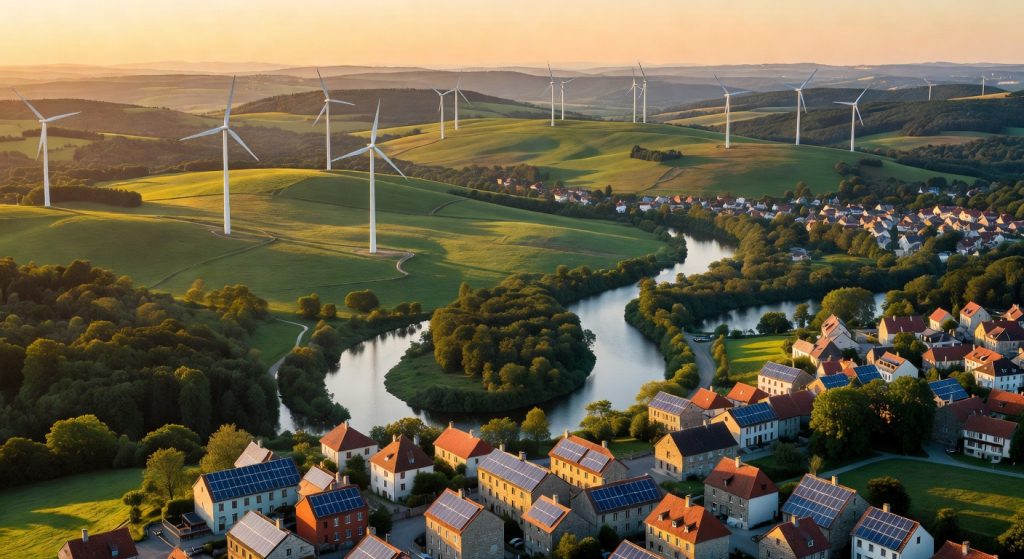
On November 5, the European Union’s 27 member states reached a landmark agreement: a binding commitment to reduce carbon emissions by 90% by 2040, compared to 1990 levels. The deal, finalized just weeks before the UN COP30 climate summit in Brazil, positions the EU as a global leader in climate ambition — but not without controversy. Provisions allowing member states to purchase carbon credits from developing countries, alongside economic adjustment clauses, have drawn criticism from environmental groups who see them as loopholes that dilute the target’s real-world impact.
So what does this agreement actually deliver, and where does it fall short? Here is a clear-eyed look at the EU’s evolving climate policy landscape.
A Stronger Carbon Market — With New Tensions
One of the most significant structural changes accompanying the 2040 target is the expansion of the EU Emissions Trading System (ETS) to cover buildings and transport — two of the continent’s most stubborn sources of emissions. This extension is projected to generate over €200 billion for green transition funds, channelling resources into energy efficiency, social housing upgrades, and low-carbon mobility.
At the same time, the Carbon Border Adjustment Mechanism (CBAM) is set for full operation by 2026. By placing a carbon price on imports from countries with weaker climate regulation, CBAM aims to level the playing field for European industry and incentivise greener production globally. It is one of the EU’s boldest tools for exporting its climate standards beyond its borders.
However, the 2040 deal’s allowance for international carbon credits — essentially letting member states offset part of their domestic reduction obligations by financing emissions cuts in developing nations — raises legitimate questions about accountability. Critics argue this risks shifting the burden rather than driving genuine structural change within Europe. Supporters counter that it provides financial flexibility while supporting climate action in vulnerable economies ahead of COP30.
Industrial Policy Catches Up With Climate Ambition
The emissions target does not exist in isolation. The EU has been building a parallel industrial strategy designed to make clean technology economically competitive, not just environmentally necessary. Two pieces of legislation are central to this effort:
- Net-Zero Industry Act: Sets targets for scaling up manufacturing of solar panels, wind turbines, batteries, electrolysers, and other clean technologies within the EU by 2030.
- Critical Raw Materials Act: Aims to secure Europe’s supply chains for minerals essential to the green transition — from lithium for batteries to rare earths for electric motors — including recycling targets to reduce import dependency.
Together, these acts represent a recognition that climate policy and industrial competitiveness must advance together. The EU is explicitly responding to the competitive pressure created by the US Inflation Reduction Act and China’s dominance in clean manufacturing. Over €1 billion has also been committed to 73 Green Deal research projects targeting climate-neutral solutions across energy, biodiversity, and sustainable recovery.
Green Deal Progress: Solid Momentum, Real Gaps
Five years after its launch, the European Green Deal continues to advance at a pace that surprises even some of its critics. As of January 2025, 98 of 168 planned initiatives have been formally adopted, 37 are under active negotiation, and only 5 have been withdrawn. That is a legislative track record few comparable policy frameworks can match.
Yet the gaps are telling. Progress in agriculture and energy reform remains slower and more contested than in other sectors. Farmers’ protests across Europe in 2024 forced significant concessions on the Nature Restoration Law and pesticide reduction targets. Energy policy continues to be shaped by security concerns following Russia’s invasion of Ukraine, creating tensions between short-term fossil fuel reliance and long-term decarbonisation goals.
For businesses navigating sustainability reporting obligations under the Corporate Sustainability Reporting Directive (CSRD), this policy environment means one thing above all: the regulatory direction is clear, even if the pace is uneven.
What This Means for Citizens, Business, and Global Partners
The 90% target sends a strong signal ahead of COP30, reinforcing the EU’s role as the world’s most ambitious climate regulator. For European citizens, the ETS expansion will likely translate into higher costs for heating and transport in the short term — a political challenge that the new Social Climate Fund is designed, at least partially, to address.
For businesses, the combination of tightening carbon markets, CBAM, and mandatory sustainability reporting creates both pressure and opportunity. Companies that invest early in decarbonisation and transparent reporting will be better positioned to compete in a regulatory environment that is only going to tighten further.
Key takeaway: The EU’s 2040 climate deal is a genuine step forward — ambitious in scope, backed by industrial policy, and embedded in a broader Green Deal framework that is delivering results. But the inclusion of carbon credit flexibility and the unresolved challenges in agriculture and energy are reminders that ambition on paper must still be matched by implementation on the ground. The real test begins now.