Mining, Methane, and Melting Protections: The Week That Tested Environmental Policy
In a week that laid bare the tensions between industrial interests and environmental protection, a series of developments across the United States and the global policy arena sent mixed signals about the future of climate change action, biodiversity conservation, and renewable energy accountability. From the forests and lakes of Minnesota to satellite data tracking methane plumes from space, the picture that emerges is one of urgent challenges — and, in some cases, unexpected resilience.
Minnesota’s Boundary Waters: A Conservation Landmark Under Threat
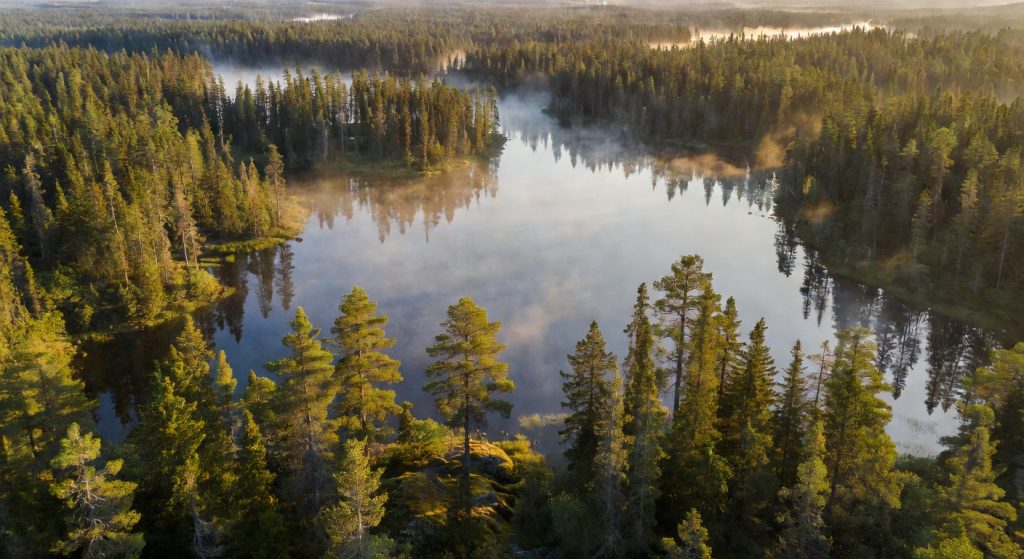
The most alarming headline of the week came from Inside Climate News: critical protections shielding Minnesota’s Boundary Waters Canoe Area Wilderness from mining activity have been removed by the current US administration. The Boundary Waters, a 1.1-million-acre mosaic of lakes, rivers, and boreal forest on the Canadian border, is one of North America’s most visited wilderness areas and a globally significant biodiversity hotspot.
The decision opens the door to sulfide-ore copper mining in the watershed — a process environmentalists have long warned poses severe risks to water quality and aquatic ecosystems. Sulfide mining is notorious for generating acid mine drainage, which can devastate freshwater habitats for decades. From a European perspective, this move echoes debates closer to home: the EU’s own Critical Raw Materials Act is pushing for expanded domestic mining, raising similar questions about where conservation ends and resource extraction begins.
In a partial counterweight, a bill that would have significantly weakened the US Endangered Species Act — one of the world’s most powerful pieces of environmental policy — suffered a major legislative setback. For now, federal safeguards protecting thousands of at-risk species remain intact. It is a reminder that conservation victories are rarely permanent; they must be defended continuously against political and economic pressure.
Renewable Energy’s Dirty Secret: Pollution in the Supply Chain
The green transition is not without its own contradictions. Independent laboratory tests reported this week revealed the presence of toxic metals in wastewater discharged from Tesla’s lithium refinery in Texas. Lithium is a cornerstone material for electric vehicle batteries and energy storage — technologies central to Europe’s decarbonisation strategy under the Green Deal.
The findings highlight a critical blind spot: the environmental and public health costs embedded in renewable energy supply chains. Communities near extraction and refining sites — often lower-income and already bearing disproportionate environmental burdens — face risks that rarely appear in lifecycle assessments or corporate sustainability reports. For European policymakers advancing the Battery Regulation and supply chain due diligence legislation, this is a timely warning that green credentials must extend all the way to the refinery gate.
UNEP Sounds the Alarm on Cooling and Methane
Two landmark reports from the United Nations Environment Programme (UNEP) this week added scientific weight to the urgency of systemic change.
The UNEP Global Cooling Watch 2025 projects that global cooling demand could triple by 2050, driven by urbanisation, rising temperatures, and expanding middle classes in the Global South. Without a shift to sustainable cooling technologies, this surge could nearly double energy-related emissions from the sector. The report identifies $43 trillion in potential savings if efficient, low-refrigerant pathways are adopted — a figure that should focus the minds of both investors and policymakers.
Meanwhile, the UNEP An Eye on Methane 2025 report delivered cautious optimism. Satellite-based detection systems are now achieving up to a 12% response rate in identifying and prompting action on methane leaks from fossil fuel infrastructure. Methane, a greenhouse gas roughly 80 times more potent than CO₂ over a 20-year period, is increasingly recognised as the fastest lever available to slow near-term warming. UNEP urges a 30% reduction in methane emissions by 2030 — a target that aligns with the Global Methane Pledge signed by over 150 countries, including EU member states.
What This Means for Europe and the World
Taken together, this week’s developments illustrate a defining tension of our era: the race to decarbonise is accelerating, but so are the pressures that undermine the ecological systems we depend on. Europe is not a passive observer. Its demand for critical minerals, its cooling infrastructure deficit, and its role in global environmental policy frameworks all place it at the centre of these debates.
- Mining governance must balance raw material needs with robust environmental safeguards — both at home and in trade partnerships.
- Supply chain transparency for green technologies is non-negotiable if the energy transition is to be genuinely sustainable.
- Methane reduction and sustainable cooling represent two of the highest-impact, near-term opportunities to bend the emissions curve.
Key takeaway: Progress on climate change and biodiversity cannot be measured only in renewable capacity installed or emissions pledged. It must also be counted in ecosystems protected, communities kept safe from pollution, and the integrity of the policies that hold it all together. This week was a stress test — and the results were decidedly mixed.