Solar Powers More Than a Fifth of EU Electricity for the First Time — What It Means for Europe’s Energy Future
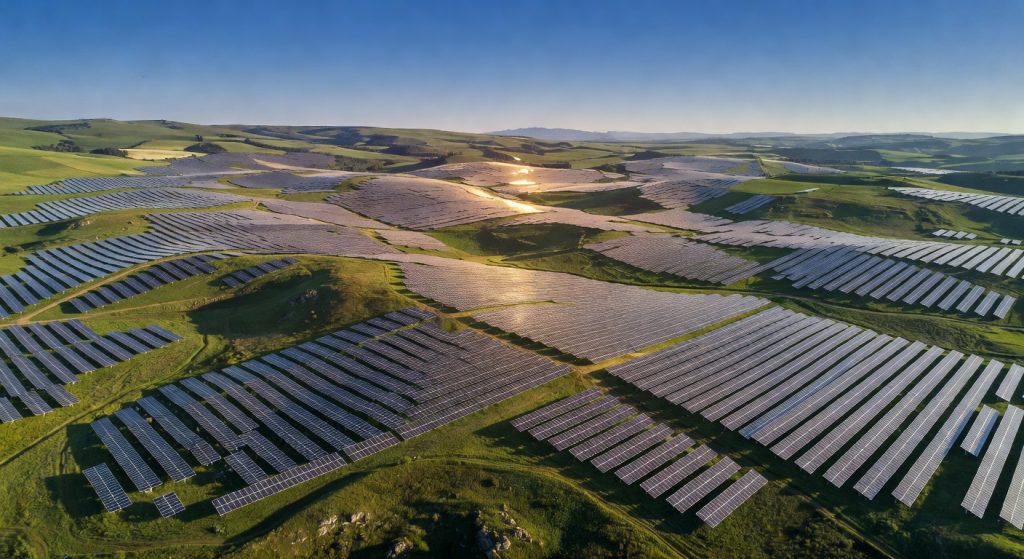
For the first time in history, solar energy topped Europe’s electricity mix, generating 22% of all EU power in June — surpassing gas, coal, and every other source. This is not just a symbolic milestone. It signals a structural shift in how Europe produces and consumes energy, with real consequences for household bills, industrial competitiveness, and the continent’s strategic independence from fossil fuel imports.
A Record That Rewrites Europe’s Energy Map
The data, reported by Canary Media, confirms what energy analysts have long anticipated: renewable energy is no longer a supplement to the European grid — it is becoming its backbone. Solar’s rise to the top of the EU power mix in a single month reflects years of accelerating investment, falling panel costs, and supportive policy frameworks like the European Green Deal and the REPowerEU plan, which was launched to reduce dependence on Russian gas after 2022.
This achievement carries practical weight beyond the headline figure. When solar and wind generate surplus electricity, wholesale prices drop — sometimes to zero or even negative values — which can translate into lower costs for energy-intensive industries and, over time, for citizens. Energy efficiency gains compound this effect: as buildings adopt heat pumps and smarter resource management systems, demand peaks become easier to handle without firing up fossil fuel plants.
The EU milestone also has implications for water and resource management. Thermal power plants — coal, gas, and nuclear — consume vast quantities of water for cooling. A grid increasingly dominated by solar and wind reduces pressure on freshwater systems, a benefit that will matter more as climate change intensifies droughts across Southern and Central Europe.
The Global Contrast: Policy Reversals Threaten Progress Elsewhere
Europe’s solar triumph arrives against a troubling backdrop in the United States, where a series of policy reversals is putting clean energy expansion at risk. The Trump administration has cancelled a $4.9 billion federal loan for the Grain Belt Express — the largest planned transmission line in the country — which would have delivered cheap wind and solar power from the Great Plains to the East Coast. Without that infrastructure, renewable energy generation cannot reach the consumers and businesses that need it most.
Meanwhile, New Hampshire has redirected $15 million from its clean energy fund, effectively ending a municipal solar expansion pilot that was helping local communities reduce energy costs. And at the national level, the so-called Trump megabill threatens to eliminate a key tax credit that has underpinned the rooftop solar sector — putting thousands of jobs at small installers at risk and undermining the viability of third-party solar financing models.
There is one bright spot: a California court has upheld a landmark clean-heat rule in Southern California, advancing heat pump adoption and energy efficiency standards. The ruling could offer electricity bill discounts to qualifying homeowners and reduce residential emissions — a reminder that subnational governments can still drive meaningful progress even when federal policy retreats.
What Europe Must Do to Sustain Its Momentum
Europe’s solar record is a reason for optimism, but not complacency. Several structural challenges remain:
- Grid infrastructure must expand rapidly to absorb growing volumes of variable renewable energy. Interconnections between member states remain insufficient, and permitting processes for new lines are still too slow.
- Battery storage and virtual power plants are emerging as critical solutions. Aggregating distributed assets — rooftop solar panels, home batteries, electric vehicles — into virtual grids can balance supply and demand without building new fossil fuel capacity.
- Hydrogen produced from renewable electricity (green hydrogen) remains a key piece of the puzzle for hard-to-decarbonise sectors like steel, shipping, and heavy transport. Investment and regulatory clarity are needed to scale production.
- Energy efficiency in buildings must accelerate. The EU’s revised Energy Performance of Buildings Directive sets ambitious targets, but implementation at member state level is uneven.
The Key Takeaway
June’s solar milestone is more than a number — it is evidence that the energy transition in Europe is real, accelerating, and already reshaping markets. For citizens, it means cleaner air and the prospect of more stable energy costs. For businesses, it means new opportunities in a rapidly evolving energy landscape. For policymakers, it is both a validation of past decisions and a call to act faster on grid expansion, storage, and efficiency. The contrast with US policy reversals underlines a simple truth: the countries and regions that invest consistently in renewable energy today will hold the strongest hand on energy security, economic resilience, and climate tomorrow.