Food Systems at a Crossroads: Heat Stress, Green Fertilizers, and the Push for Sustainable Agriculture
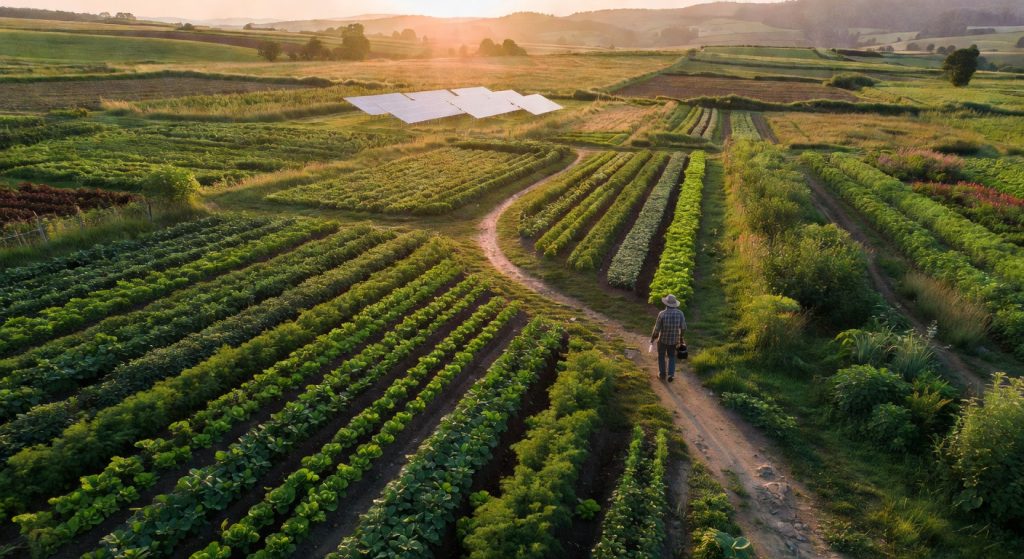
This Earth Day, the state of global food systems sent a clear and urgent message: the way we grow, distribute, and consume food is under mounting pressure from multiple directions at once. A landmark UN warning about extreme heat, a major green fertilizer investment in South America, and a supply chain traceability pledge signed by over 100 Thai organisations all landed within the same 24-hour window — a coincidence that feels less like coincidence and more like a signal. For European citizens, policymakers, and food industry professionals, these developments are deeply interconnected and demand serious attention.
Extreme Heat Is Pushing Agrifood Systems to the Brink
A new UN report released around Earth Day 2026 delivers a stark assessment: escalating heatwaves are threatening to destabilise global agrifood systems at a pace that current policies are not equipped to handle. Crop yields are declining in heat-sensitive regions, water stress is intensifying, and the economic burden is falling disproportionately on women farmers in the Global South — a dimension of climate injustice that rarely makes headlines in European policy debates.
The report urges a decisive shift from reactive crisis management to proactive adaptation strategies, including early warning systems, heat-resilient crop varieties, and investment in agroecology — farming approaches that work with natural ecosystems rather than against them. For Europe, this is not a distant problem. The 2022 and 2024 heatwaves already demonstrated how vulnerable Mediterranean agriculture is to temperature extremes, with olive oil and wheat harvests hit particularly hard.
The takeaway for the EU’s Farm to Fork strategy and its successor frameworks is clear: ambition on paper must translate into funded, field-level action — and fast.
Green Fertilizer and Supply Chain Sustainability: Two Promising Steps Forward
Against this backdrop of risk, two pieces of genuinely encouraging news emerged. First, UK-based low-carbon agribusiness ATOME secured a US$420 million investment from multilateral development banks to build Paraguay’s first green fertilizer plant. Conventional nitrogen fertilizer production is one of the most carbon-intensive processes in the agricultural supply chain, relying heavily on fossil gas. Green fertilizer — produced using renewable energy and green hydrogen — could dramatically cut those emissions while reducing the food system’s dependence on volatile fossil fuel markets.
This investment matters for Europe too. The EU imports significant quantities of fertilizer and has been exposed to price shocks since the energy crisis of 2022. Diversifying toward green fertilizer sources, including from emerging producers in Latin America, is part of a credible supply chain sustainability strategy.
Second, in Thailand, more than 100 public and private sector organisations signed an Earth Day declaration committing to supply chain traceability and burn-free agriculture. Agricultural burning is a major source of air pollution and greenhouse gas emissions across Southeast Asia. This kind of multi-stakeholder pledge, while not legally binding, reflects growing momentum for transparency and accountability in food supply chains — a trend that European importers and retailers will increasingly need to align with under the EU Deforestation Regulation and upcoming supply chain due diligence rules.
Trade Pressures and Farm Bankruptcies: A Warning From Across the Atlantic
Not all the news is hopeful. In the United States, farm bankruptcies rose 46% in 2025 compared to the previous year, reflecting deep financial stress across the agricultural sector. Compounding this, significant new tariff increases set to take effect from August 2026 — including a 50% tariff on Brazilian agricultural imports and 30% on EU goods — threaten to further disrupt global trade flows and raise food prices.
For European farmers already navigating tight margins, climate adaptation costs, and regulatory transitions, these trade dynamics add another layer of uncertainty. The risk is that economic pressure pushes producers away from sustainable agriculture investments and toward short-term cost-cutting — precisely the wrong direction.
What This Means for Europe’s Food Future
The convergence of these developments points to several priorities for European decision-makers and food system actors:
- Accelerate agroecology funding at farm level, not just in policy documents
- Invest in green fertilizer supply chains to reduce fossil fuel dependency and emissions
- Strengthen supply chain traceability requirements for imported food products
- Support farmer resilience through financial instruments that reward sustainable transitions rather than penalising them
- Expand plant-based food systems as a lower-impact complement to conventional protein production
Key takeaway: Global food systems are being reshaped simultaneously by climate stress, financial pressure, and new sustainability commitments. Europe has both the regulatory tools and the market influence to help steer this transition — but only if ambition is matched by investment, and policy is matched by practice on the ground.