EU Locks In 90% Emissions Cut by 2040: What the New Climate Targets Mean for Europe
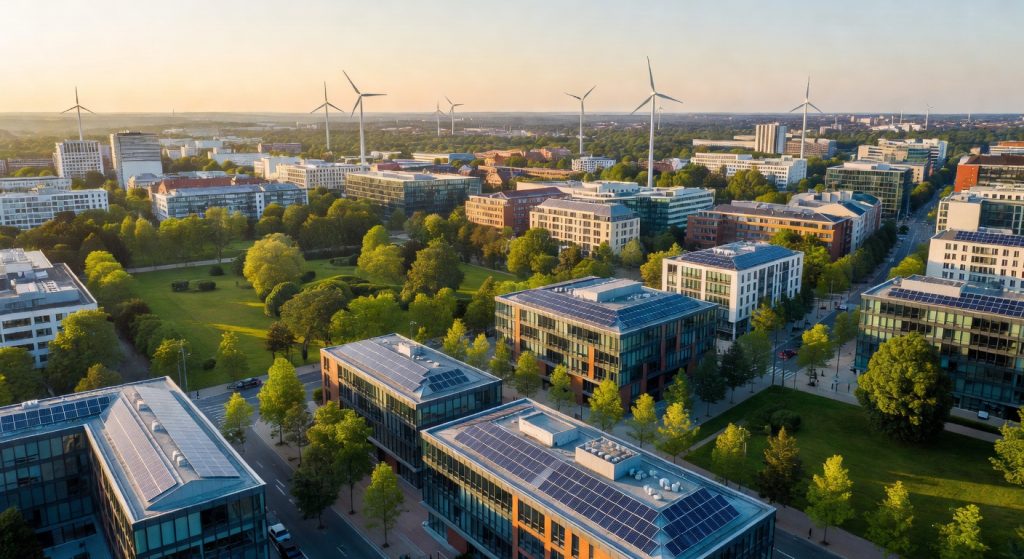
After more than 20 hours of tense negotiations, EU member states reached a landmark — if hard-fought — agreement on November 5, 2025: Europe will cut CO₂ emissions by 66.25% to 72.5% by 2035 and a legally binding 90% by 2040, compared to 1990 levels. The deal keeps the 2050 climate neutrality goal intact and arrives just ahead of the next major COP summit, sending a signal — however imperfect — that the European Union remains committed to its climate agenda despite mounting political and economic headwinds.
A Deal Forged Under Pressure — and Full of Compromises
The agreement did not come easily. The EU’s Green Deal has faced growing resistance over the past two years, driven by a combination of economic slowdown, agricultural protests, and a rightward shift in several member state governments. The final targets — particularly the 2035 range — reflect significant concessions made to bring reluctant capitals on board.
For context, the European Climate Law already enshrines a 55% emissions reduction by 2030 and full climate neutrality by 2050. The new 2040 target fills the critical gap between those milestones, giving businesses and investors a clearer regulatory trajectory to plan around. However, some climate advocates had pushed for a more ambitious 65% cut by 2030 and net-zero by 2040 — targets that did not make it into the final text.
The five-year review of the Green Deal, published earlier in 2025, acknowledged real progress: emissions are down across the bloc, and clean technology has scaled significantly. But it also identified fault lines — particularly the shortfall in National Energy and Climate Plans (NECPs), many of which fall short of what would be needed to stay on a credible 1.5°C pathway.
Carbon Markets, Industrial Policy, and the Cost of the Transition
The climate targets don’t exist in isolation. They are backed by a suite of policy instruments that are reshaping both European industry and everyday energy costs:
- EU Emissions Trading System (ETS): Now expanded to cover buildings and road transport, the carbon market is expected to generate over €200 billion for green transition funds — a major lever for financing the shift away from fossil fuels.
- Carbon Border Adjustment Mechanism (CBAM): Set to be fully operational by 2026, CBAM will impose a carbon price on imports from countries with weaker climate regulations, protecting European industry from unfair competition while incentivising greener production globally.
- Net-Zero Industry Act and Green Deal Industrial Plan: These frameworks aim to ensure that at least 40% of clean technology — batteries, electrolysers, solar panels — needed for the transition is manufactured within the EU, supporting jobs and reducing strategic dependencies.
- REPowerEU: Accelerated permitting for renewables and dedicated funding streams are reducing Europe’s fossil fuel dependency, with faster deployment of wind and solar across the continent.
The Energy Taxation Directive, part of the broader Fit for 55 package, remains under negotiation but is seen as essential for aligning tax incentives with renewable energy goals — a reform that could significantly affect both household energy bills and corporate energy strategies.
What This Means for Businesses and Citizens
For European businesses, the legally binding 2040 target is a clear signal: decarbonisation is not optional, and the regulatory environment will only tighten. Companies operating under sustainability reporting frameworks — including the Corporate Sustainability Reporting Directive (CSRD) — will need to align their long-term strategies with these milestones. Carbon markets will become increasingly central to corporate cost structures, and supply chains exposed to CBAM will require urgent attention.
For citizens, the implications are more mixed. The energy transition promises cleaner air, greater energy security, and lower long-term costs — but the short-term expansion of carbon pricing to buildings and transport means that heating and driving costs may rise before alternatives are fully accessible and affordable. The EU has committed to channelling ETS revenues into social and green funds to cushion this impact, but implementation will vary significantly across member states.
On the global stage, the deal arrives at a critical moment. With the next COP summit approaching, Europe’s ability to present a credible, legally binding 2040 target strengthens its hand in pushing major emitters — including the United States, China, and India — toward greater ambition.
Key takeaway: The EU’s new climate targets are a genuine step forward, even if they fall short of what scientists and advocates say is needed for 1.5°C. The 2040 binding goal creates a durable framework for business planning and climate policy — but the real test will be in implementation, enforcement, and ensuring that the transition is fair for all Europeans.