US-Iran Tensions Surge Over Hormuz: Global Impact | April 19, 2026
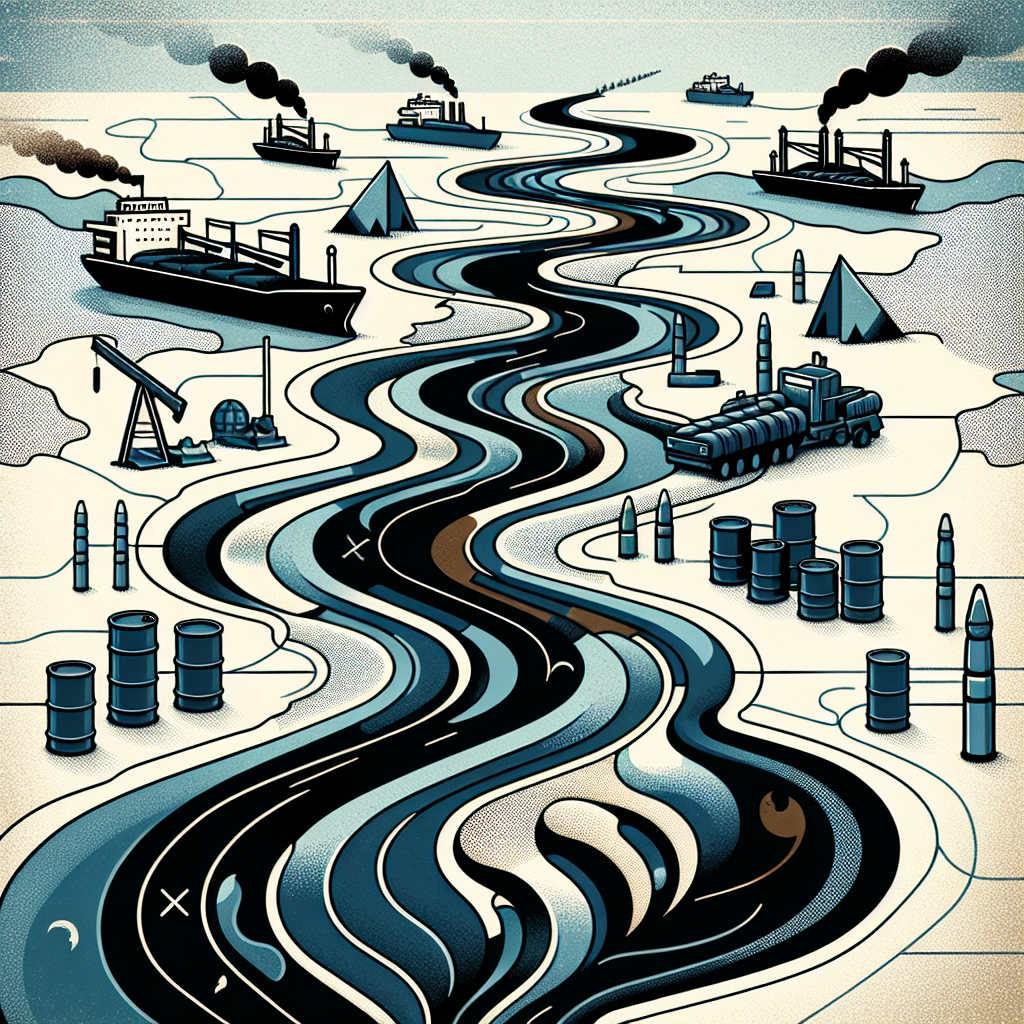
In today’s rapidly evolving global landscape, the escalating tensions between the United States and Iran over the strategic Strait of Hormuz hold significant implications for international security and economic stability. This vital waterway, through which approximately 20 percent of the world’s oil trade passes, has become a focal point of hostilities, leaving the region and global stakeholders on edge.
High-Level U.S. Response
Recently, President Donald Trump convened an emergency high-level meeting in the White House Situation Room, highlighting the gravity of the unfolding crisis. This gathering of top national security officials from defense, intelligence, and foreign policy sectors underscores Washington’s serious approach to potential military escalation.
The core issue stems from Iran’s decision to defy U.S. restrictions by allowing an Iraqi oil tanker, the Ocean Thunder, to traverse the Strait of Hormuz. This act is perceived by the United States as a deliberate provocation, particularly amidst ongoing maritime restrictions.
Iran’s Aggressive Maneuvers
The situation has been further exacerbated by Iran’s recent military actions, including missile and drone launches toward Jordan, most of which were intercepted. These developments indicate a troubling pattern of behavior that threatens to unravel already fragile truces in the region.
In a recent primetime address, President Trump warned that U.S. forces are nearing the completion of their objectives. However, he issued a stern warning: if no diplomatic solution is reached within two to three weeks, the United States would strike Iran “extremely hard.”
International Coalition Efforts
The United Arab Emirates has signaled readiness to join a U.S.-led coalition to secure and reopen the Strait of Hormuz, which Iran has effectively blockaded. This potential coalition underscores the geopolitical stakes, as the blockage could disrupt global oil supplies, impacting energy prices worldwide.
The roots of the current tensions extend back to broader regional conflicts that have simmered for years. Iranian strikes on Jordan and the precarious nature of U.S.-Israel ceasefires are part of a complex tapestry of hostilities.
Consequences of Prolonged Standoff
The implications of a prolonged standoff or escalation into “Iran War 2.0” are profound. Any direct military confrontation between the U.S. and Iran could involve naval blockades, cyber warfare, and missile exchanges, destabilizing global markets and exacerbating inflationary pressures.
In this context, coalition-building efforts, such as the UAE’s offer to assist with securing the Strait of Hormuz, could broaden international backing but also risk escalating proxy conflicts throughout the region.
Broader Implications
As we process these developments, it is crucial to comprehend that the stakes extend beyond immediate military concerns. They touch on global economic security, energy independence, and the fragile balance of power in a strategically volatile region.
In conclusion, the crisis over the Strait of Hormuz serves as a stark reminder of the intricate web of geopolitical challenges defining our modern world. It underscores the necessity for careful diplomacy, strategic foresight, and international cooperation to navigate these troubled waters. Share your thoughts in the comments below.