Italy Extends Coal Plants by 13 Years: A Step Backward for Europe’s Climate Goals
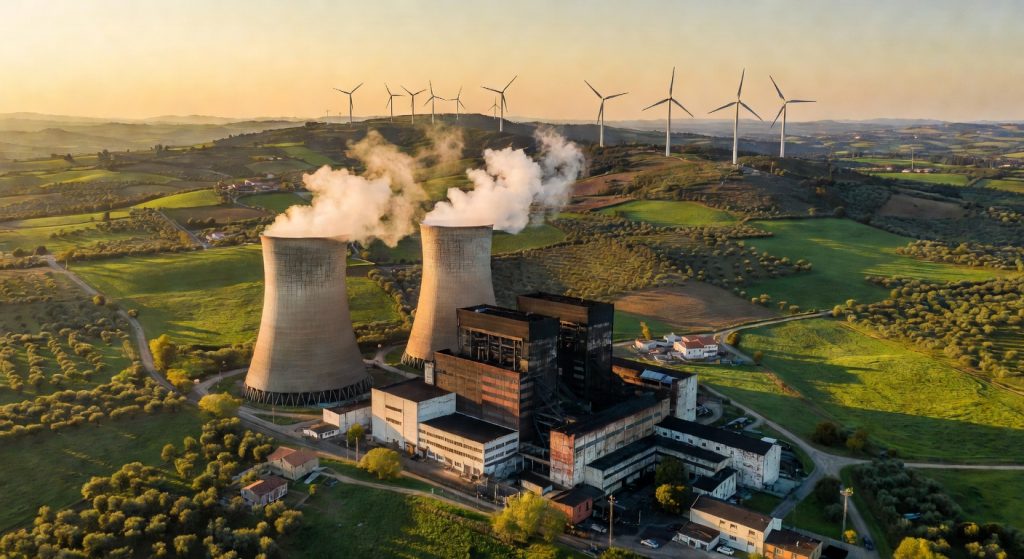
In a decision that has sent shockwaves through European environmental policy circles, Italy has approved extending the operational life of its coal-fired power plants by 13 years. Citing deepening energy shortages linked to ongoing regional conflicts and supply instability, the Italian government’s move raises urgent questions about the continent’s commitment to its own climate targets — and arrives at one of the worst possible moments for global climate diplomacy.
Why Italy Is Keeping Coal Alive — and What It Costs
Italy’s decision is not happening in a vacuum. Europe’s energy landscape has been under severe strain since Russia’s invasion of Ukraine disrupted natural gas supplies, forcing several member states to make difficult short-term choices. For Italy, which has historically relied on imported energy, the pressure to guarantee electricity supply for citizens and businesses has proven politically irresistible.
But the environmental price tag is steep. Coal remains the most carbon-intensive fossil fuel available, producing roughly twice the CO₂ emissions per kilowatt-hour compared to natural gas. Extending coal operations by over a decade directly undermines Italy’s obligations under the EU’s Fit for 55 package, which targets a 55% reduction in greenhouse gas emissions by 2030 compared to 1990 levels. It also conflicts with the EU’s broader goal of achieving climate neutrality by 2050.
For Italian households and businesses already struggling with volatile energy costs, the long-term calculus is equally troubling. Locking in coal infrastructure means locking in exposure to carbon pricing mechanisms — costs that will only increase as the EU Emissions Trading System (ETS) tightens its caps in the years ahead.
A Global Climate Moment Under Pressure
Italy’s coal extension lands as the world’s attention turns to COP30 in Brazil, where ministers are intensifying negotiations on climate justice, adaptation finance, and emissions accountability. Indigenous communities have staged protests blocking access to the summit, a stark reminder that the communities least responsible for climate change continue to bear its heaviest burdens.
The backdrop is alarming: the United Nations has confirmed that the past decade was the hottest on record, with Earth being pushed beyond safe limits. A return of El Niño is forecast for 2026, threatening erratic weather patterns and extreme heat events that could cause ten times more heat-related deaths by 2050 — disproportionately in poorer nations with limited adaptive capacity.
Meanwhile, the United States — historically a cornerstone of international climate agreements — is absent from meaningful participation under the Trump administration, which has simultaneously proposed new offshore oil drilling auctions for 2026 and redirected $1 billion toward TotalEnergies to shift investment from wind energy back to oil and gas. The dismantling of U.S. climate research infrastructure further weakens the global data foundation that environmental policy depends on.
Europe at a Crossroads: Leadership or Backsliding?
The Italian vote is part of a broader and deeply concerning pattern of policy reversals on fossil fuels across both sides of the Atlantic. In the United States, the EPA faces lawsuits over rolling back mercury pollution standards, and is reportedly considering dropping clean air protections related to plastic waste recycling following intense industry lobbying. Microplastics have been flagged as a water quality priority, yet binding regulation remains far from guaranteed.
For Europe, the stakes of maintaining credibility on environmental policy have never been higher. The EU has positioned itself as the global leader in climate action, renewable energy transition, and biodiversity conservation. Decisions like Italy’s coal extension — even if framed as temporary — risk normalising fossil fuel dependency and sending a damaging signal to global partners and financial markets alike.
Key implications for European citizens and policymakers include:
- Higher long-term energy costs as carbon pricing under the ETS increases exposure for coal-dependent utilities
- Delayed renewable energy investment in regions where coal infrastructure competes for grid capacity and public funding
- Weakened EU credibility at international climate negotiations, particularly at COP30
- Increased pollution risks for communities near coal plants, with documented impacts on air quality and public health
The Takeaway
Italy’s 13-year coal extension is a symptom of a deeper tension at the heart of European climate policy: the gap between long-term environmental commitments and short-term political and economic pressures. With the hottest decade on record behind us and an even more volatile climate ahead, the window for course correction is narrowing fast. Europe must find ways to accelerate renewable energy deployment and grid resilience — not retreat into the fossil fuel infrastructure of the past. The cost of delay, measured in emissions, health impacts, and lost investment, will far exceed the cost of acting now.