U.S. Fighter Jet Downed by Iran: A Pivotal Conflict Shift – April 4, 2026
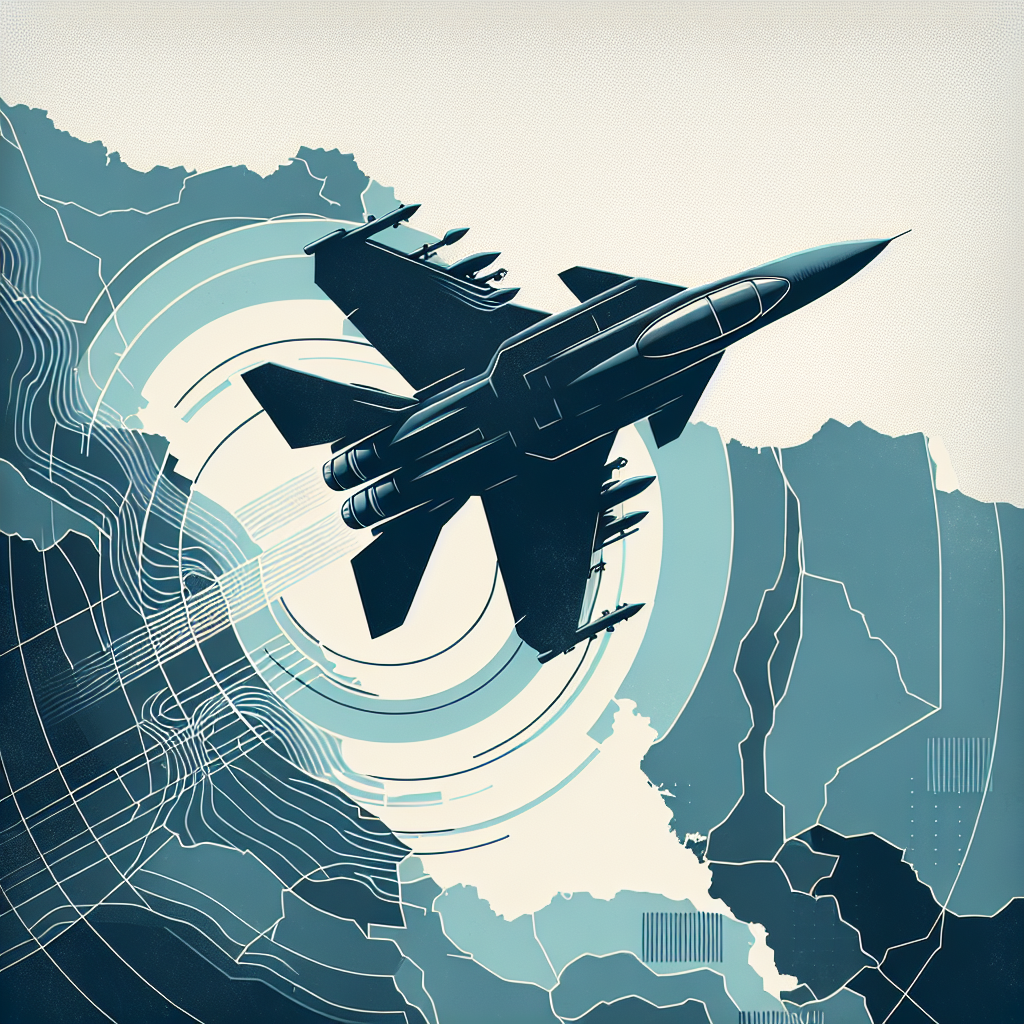
In a striking escalation of the ongoing conflict between the United States and Iran, a U.S. fighter jet has been shot down over Iranian territory. This unprecedented event marks the first successful targeting of a manned American aircraft by Iranian forces since the war began, posing significant implications for global geopolitics.
Perilous Rescues in Contested Airspace
The downing took place in highly contested airspace deep within Iran, an area rife with dangerous ground fire and advanced air defenses. The U.S. military has described the subsequent search-and-rescue mission as one of the most perilous in recent history. Special forces face immense risks as they navigate hostile terrain filled with anti-aircraft systems and the ever-present threat of ambush. The outcome of this mission holds substantial strategic and symbolic importance.
Contextualizing the U.S.-Iran Conflict
To comprehend the gravity of this incident, it’s essential to view it within the larger context of the U.S.-Iran conflict. The war, now over a month old, stems from longstanding tensions over Iran’s nuclear ambitions, proxy battles, and provocations such as missile launches toward Israel. The conflict escalated swiftly after initial American and Israeli strikes on Iranian targets. President Trump’s recent threats to bomb Iran and control the Strait of Hormuz further complicate the situation, given the strait’s critical role in global oil transportation.
Iran’s Military Response
Iran’s military has pledged more widespread and destructive retaliations, demonstrating a readiness to expand the theater of conflict. With support from allies like Russia and China, Iran has significantly enhanced its air defense capabilities. The successful downing of an American aircraft highlights these advancements, indicating Iran’s willingness and capability to escalate military engagements.
Implications Across Multiple Fronts
This incident carries profound implications across military, economic, and political lines. Militarily, a failed rescue mission could embolden Iran and its allies, potentially leading to more aggressive actions against U.S. interests. Economically, the situation may drive up oil prices, exacerbating inflation and global supply chain issues. Politically, the development tests U.S. alliances and could draw other global powers into a broader conflict, heightening the need for diplomatic solutions to prevent destabilization in the Middle East.
Human and Societal Impact
The human cost of this conflict is already evident, with the fate of the downed pilots uncertain and Iranian civilians enduring relentless bombings. Beyond immediate human tolls, societal impacts include growing anxiety over energy costs and global instability, compounded by concurrent crises like severe weather events in the United States.
In conclusion, this development underscores the precarious nature of international relations today. In a hyper-connected world where local conflicts can have global repercussions, thoughtful analysis and careful diplomacy are vital. As the situation unfolds, it is crucial to focus on measured responses and strategic thinking to avoid further escalation and unintended consequences. Share your thoughts in the comments below.