India’s Rafale Jet Deal: A Strategic Shift in Defense – Feb 11, 2026
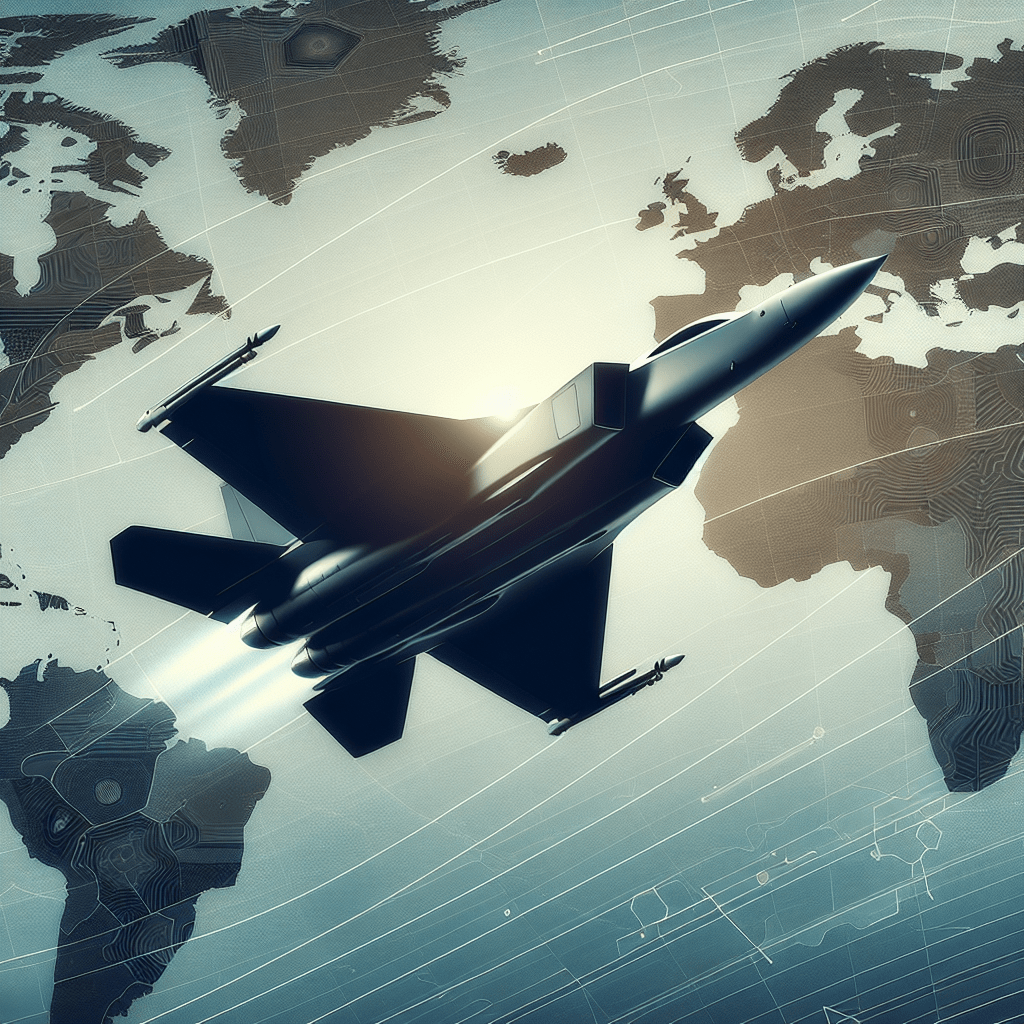
India’s impending acquisition of 114 Rafale fighter jets marks a monumental development in global defense and geopolitics. Valued at approximately ₹3.25 lakh crore, this is not just another defense procurement. It represents a watershed moment in India’s military history and its strategic positioning on the global stage. With this sizeable investment, India is sending a resounding message: the nation is gearing up to assert its influence and maintain its sovereignty in an ever-volatile regional and global landscape.
Strengthening India’s Air Force
The importance of this deal can’t be overstated. As India grapples with escalating security challenges, this agreement marks a significant step towards modernizing its aging air force fleet. The Indian Air Force currently operates at around 30 squadrons, significantly below its sanctioned strength of 42. This gap, especially amid increasing border tensions, underscores the necessity for a robust deterrent capability. The Rafale jets, renowned for their cutting-edge avionics, stealth features, and long-range weaponry, promise to fill this gap effectively, enhancing India’s operational capabilities in air superiority, precision strikes, and electronic warfare.
A Strategic Pivot in Defense Partnerships
This deal extends India’s previous experience with the Rafale platform. In 2016, the country acquired 36 of these jets, which have since proven their worth. The current agreement with France not only builds on this foundation but significantly scales it up. This shift underscores India’s broader strategy: diversifying its defense partnerships and reducing reliance on Russian equipment, which faces supply disruptions due to international sanctions. This pivot is essential for India to project power independently and assert its strategic autonomy.
Economic Implications and Defense Industrial Boost
Economically, the deal is expected to boost India’s defense industrial base significantly. The agreement includes offsets such as local manufacturing, technology transfers, and job creation, poised to inject new vitality into the sector. By fostering local manufacturing capabilities, India moves towards greater self-reliance in defense, a critical objective in its long-term strategic vision. This move is not just about acquiring military hardware; it’s about building an ecosystem to sustain and propel India’s defense capabilities into the future.
Geopolitical Ramifications
On the geopolitical front, the implications of this procurement are profound. India’s engagement with France on such a large scale amid heightened geopolitical tensions reflects its strategic intent to deepen ties with key partners. Recent frameworks with countries like Greece for military training and technology sharing further illustrate India’s broadening strategic partnerships. This diversification is a strategic maneuver to balance pressures from major powers, including the United States and China, and strengthen alliances within the Quad.
Challenges and Future Outlook
However, any deal of this magnitude comes with its own set of challenges and risks. The successful execution of this agreement is crucial, as delays in delivery or integration challenges could strain India’s resources. Moreover, this deal could provoke regional adversaries, such as China and Pakistan, potentially igniting an arms race and raising questions about regional stability. Looking towards the future, if executed smoothly, this agreement could position India as a formidable aerial power by the early 2030s, enhancing its defense posture and contributing to regional stability.
In conclusion, while the focus may be on the immediate enhancement of military capabilities, the long-term implications of this historic deal are far-reaching. It is a testament to India’s strategic foresight and commitment to securing its place as a key player in international relations. This move fortifies India’s defense architecture and signals a new chapter in its journey towards strategic autonomy. As this deal unfolds, it will be a critical narrative to follow, not just for its impact on India, but for the ripple effects it might have on the global defense landscape and geopolitical dynamics.
Share your thoughts in the comments below.