Ghost Student Scammers Exploit Identity Theft, Rack Up Millions in Fraudulent Student Loans
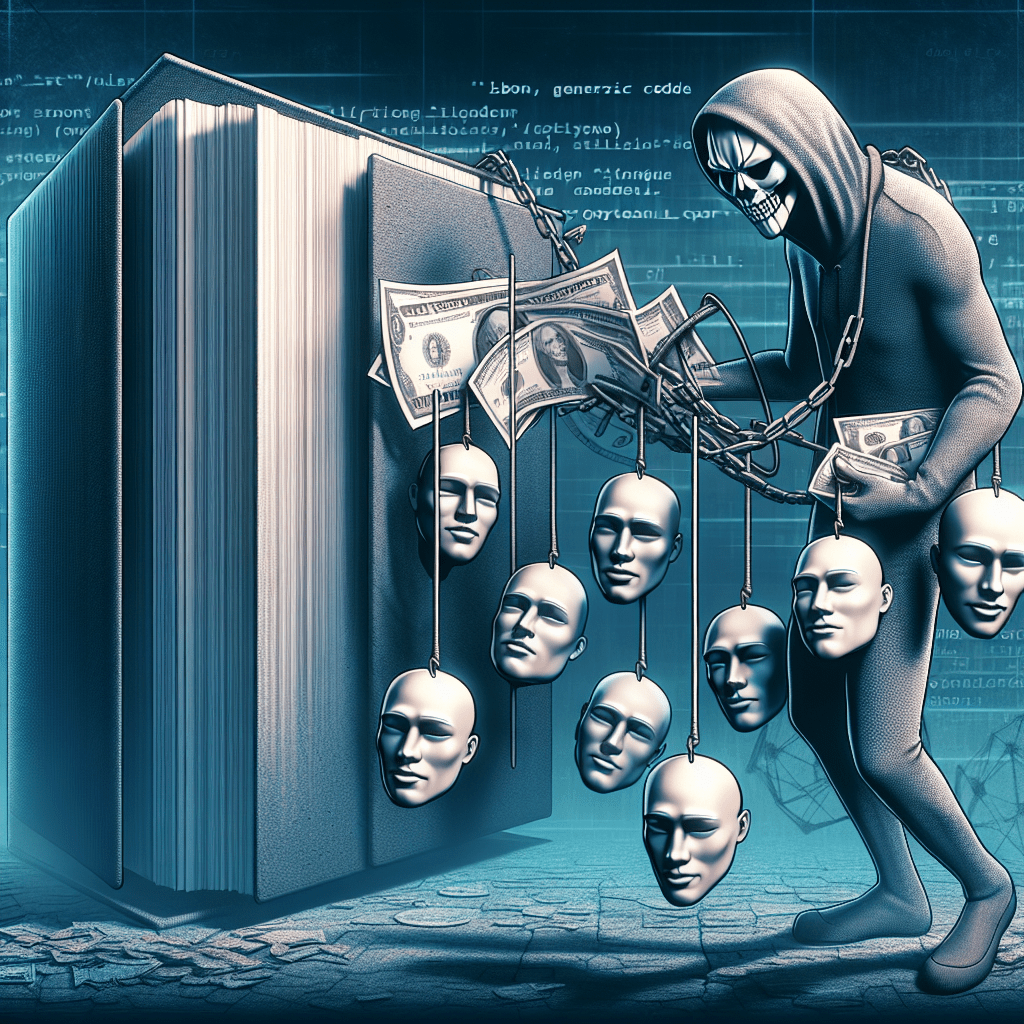
What Happened When a ‘Ghost Student’ Scammer Took Out Student Loans in My Name
Imagine applying for a student loan only to discover thousands in debt you never borrowed—racked up by a digital phantom using your identity. That’s exactly what happened to me in late 2025, when ghost student scammers turned my life upside down.[1][2][5] As a 45-year-old marketing professional with no plans for college, I never expected to become a victim of this exploding fraud scheme targeting community colleges and federal aid programs.[3]
How the Nightmare Began
It started innocently enough. I was helping my nephew fill out his FAFSA form for community college when I decided to check my own credit report—just a routine precaution. What I found froze me: $28,000 in federal student loans listed under my Social Security number, tied to enrollment at three different community colleges in states I’d never visited.[2][3] Applications had been submitted using my stolen SSN, blended with fabricated details to create a synthetic identity—a hallmark of ghost student scams.[1][5]
These criminals exploit open-enrollment policies at community colleges, especially post-pandemic when online applications surged.[1][5] They enroll in minimal online classes, secure Pell grants and loans, then vanish, routing funds to their controlled bank accounts.[4] In my case, the scammer posed as me taking intro courses at a California college (nearly one-third of 2024 applications there were fraudulent, costing $13 million)[2], a Philadelphia school (over 600 fake apps in 2025, canceling $600,000 in aid)[1], and one in North Carolina.[4]
I hadn’t noticed earlier because victims often don’t—until IRS notices or credit dings arrive years later.[2][3][5] “These loans are not being repaid. They’re being assigned to people who don’t even know they have a debt,” warned Jason Williams, U.S. Department of Education Assistant Inspector General.[2][3][5]
Unraveling the Ghost Student Scheme
Ghost students aren’t lazy no-shows; they’re fabricated enrollees stealing taxpayer money—hundreds of millions nationwide.[4][5][7] Scammers snag SSNs from data breaches, then use AI to generate realistic applications, transcripts, and even emails to bypass verification.[1][2] The pandemic’s shift to remote learning “opened the door” for exponential growth, per federal investigators.[5]
In 2025, the Department of Education flagged suspicious FAFSA apps, preventing $1 billion in fraud by verifying just 1% of borrowers (down from 30%).[1] They now alert schools for in-person checks.[1] Community colleges like Philadelphia’s bore the brunt, with fraud hitting 5% of applicants.[1] Federal probes have over 200 open cases, some rings topping $1 billion.[5][6]
My scammer got clever: AI-crafted essays matched my stolen details perfectly. Funds disbursed quickly to a mule account, leaving me liable.[1][2]
The Fallout: Credit Ruined, Sanity Tested
Discovery hit like a gut punch. My credit score plummeted 150 points, derailing a home refinance.[3] Collections calls flooded in; I explained frantically, but servicers demanded proof I wasn’t the “student.”[2] Like Murat Mayor, a real victim whose Ph.D.-holding self and son found pre-existing aid accounts, I battled to prove my innocence.[3][5]
Months dragged: disputing with the Department of Education, filing identity theft reports with the FTC, and navigating loan servicers. One loan forgiveness took six months; others lingered.[3] Emotional toll? Sleepless nights, paranoia over data breaches, and fury at stolen aid meant for real students.[1]
“You’re stealing money from students that could actually use this,” noted Dr. Raye Thompson of Community College of Philadelphia.[1] Spots vanish too—real applicants displaced.[1]
Fighting Back: Steps That Saved Me
If this sounds familiar, act fast. Here’s what worked:
- Freeze your credit immediately—free at Equifax, Experian, TransUnion. For minors, call to create and freeze files.[3]
- Check AnnualCreditReport.com weekly; monitor FAFSA at StudentAid.gov.[2]
- File a report at IdentityTheft.gov; alert the Department of Education’s OIG.[3][5]
- Dispute debts directly with servicers, providing police reports.[2]
Experts like Eva Velasquez of the Identity Theft Resource Center urge “friction” in enrollment—better verification without blocking access.[3] Colleges and lenders must step up, she says.[3]
Broader Implications and Prevention in 2026
By early 2026, AI advancements have supercharged these scams, prompting U.S. agencies to deploy advanced detection.[1][2] Yet vulnerabilities persist in online systems.[5] Taxpayers foot the bill; victims fight for justice.[4]
My ordeal ended with all loans discharged, credit rebounding—but scars remain. Protect yourself: vigilance is key. Share your story if hit—awareness thwarts scammers. Stay safe out there.
(Word count: 812)
Original source: Lifehacker – What Happened When a ‘Ghost Student’ Scammer Took Out Student Loans in My Name