U.S. Sanctions on Russia: Geopolitical Impact | Sept 4, 2026
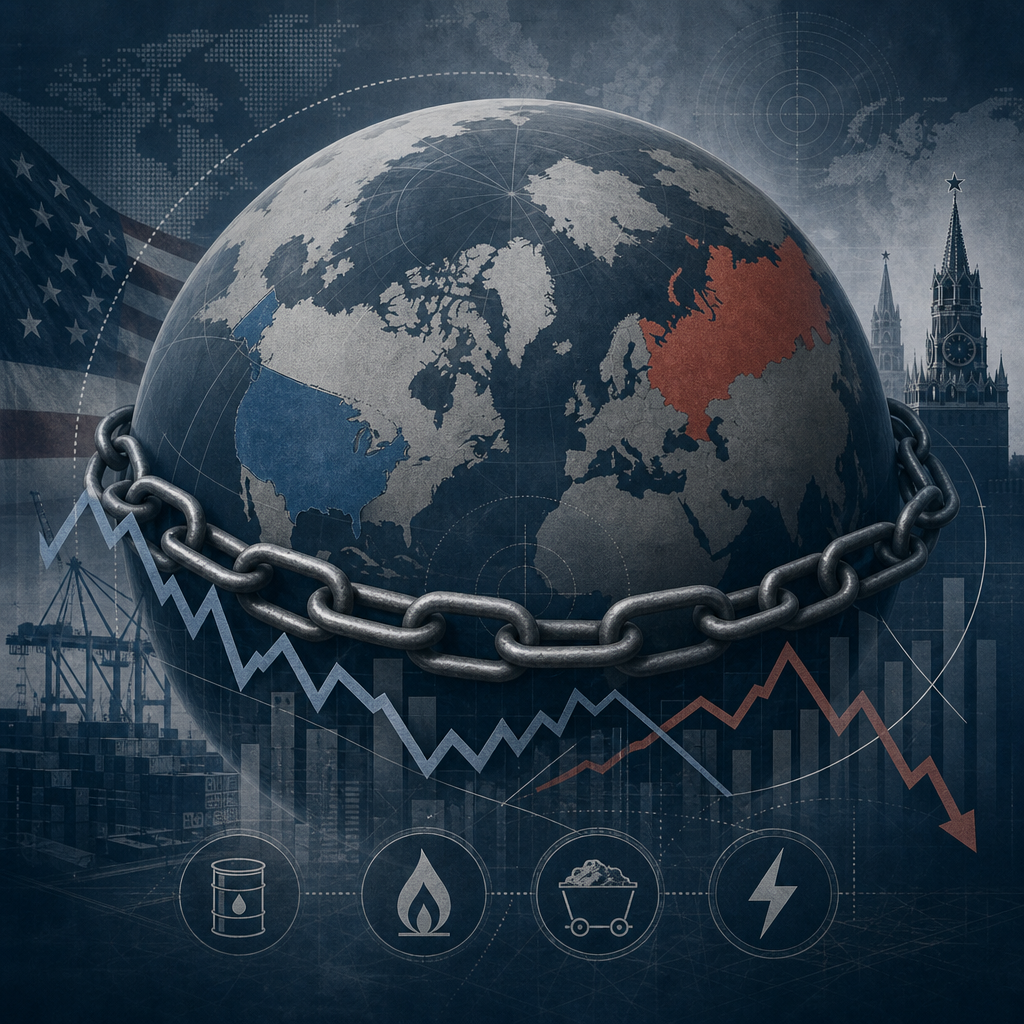
As tensions soar between the United States and Russia over the conflict in Ukraine, a new chapter unfolds with the U.S. Senate’s passage of a sweeping sanctions package. This move, targeting Russia’s economic backbone, could potentially reshape global geopolitics. The sanctions aim directly at Russia’s energy sector, a critical component of its economy, raising questions about their broader implications.
The Core of the Sanctions
At the center of these sanctions lies an attempt to tighten the economic noose around Russia’s vital energy exports. These exports are crucial for Russia, providing hard currency that underpins both military endeavors and economic stability. The package authorizes tariffs of up to 100% on buyers of Russian oil and gas, marking a significant escalation in efforts to cut off the financial lifeline sustaining the war effort.
Beyond its scale, the measure’s innovative approach stands out. By linking sanctions with secondary tariffs on countries continuing to purchase Russian fuel, the U.S. raises the stakes beyond a bilateral confrontation. This challenges the economic dependencies that have allowed Russia to bypass previous sanctions through alternative trade routes and buyers.
Timing and Strategic Shifts
The timing of this legislation is crucial, following months of frustration in Western capitals over the conflict’s persistence. Russia has shown resilience, rerouting trade, utilizing intermediary networks, and finding new buyers for oil at discounted rates. This forced lawmakers to pivot from adding restrictions to closing loopholes that facilitate sanctions evasion.
An emphasis on targeting the “shadow fleet”—the logistics and insurance networks enabling evasion—demonstrates a strategic shift. This aggressive stance aims to increase costs for Moscow and any complicit governments or corporations, underscoring a broad political consensus for a tougher approach.
The Role of Sanctions in Modern Conflict
Sanctions have become a primary tool for the West to exert influence without military involvement. However, their effectiveness depends on enforcement, international cooperation, and importers’ willingness to absorb costs or seek alternatives. This makes predicting the new package’s impact challenging, despite its formidable appearance.
If enforced rigorously, these measures could squeeze Russian revenues, disrupt trade routes, and force countries reliant on Russian fuel to reconsider strategies. Conversely, weak enforcement or diplomatic pushback could render them symbolic, lacking decisive economic effects.
Global Implications
This story captures attention for its immediate stakes and far-reaching consequences. It links war, energy markets, and international trade, potentially influencing global fuel prices and diplomatic alignments. The broader context is a landscape where economic warfare increasingly replaces traditional military engagements, reflecting the interconnectedness of global systems.
Sanctions require a balance of pressure and diplomacy, crafted with awareness of unintended consequences. This package represents a calculated effort to intensify pressure while minimizing collateral damage to markets and alliances.
Conclusion
This development marks a pivotal moment in the Russia-Ukraine conflict, illustrating the intricate dance of diplomacy and economic strategy. Understanding both explicit actions and underlying strategies is crucial as the situation unfolds. The success or failure of these sanctions will not only impact immediate parties but could also set precedents for using economic measures in global conflicts. This story underscores the power of economic policy in international influence, inviting consideration of the complex interplay of economics, politics, and global security.
Share your thoughts in the comments below.