El Niño Returns: What the 2025 Climate Shift Means for Europe and the World
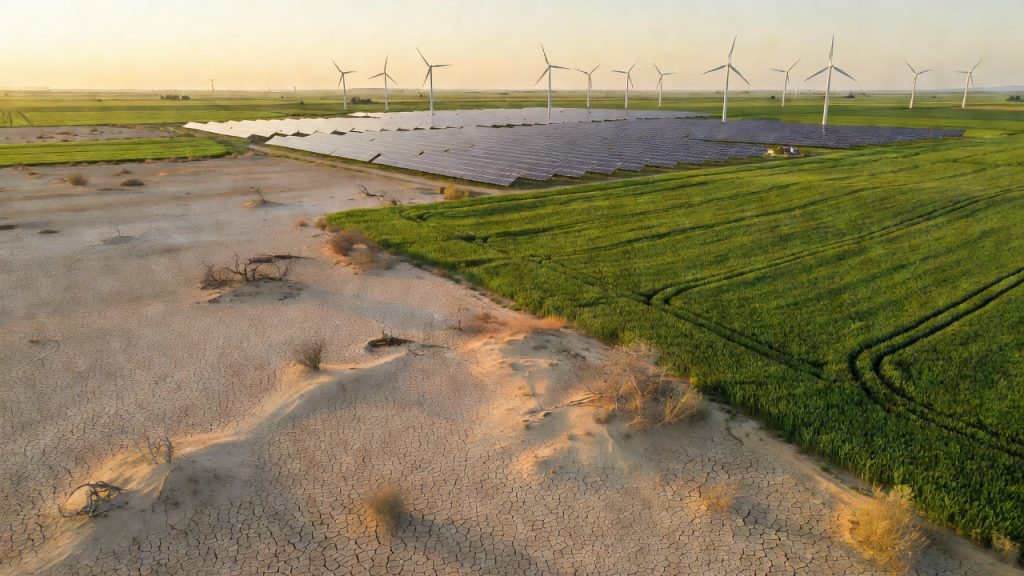
Major meteorological organizations, including the World Meteorological Organization (WMO), have confirmed that a significant El Niño weather phenomenon will emerge next month — and the consequences are expected to be felt across every continent. From disrupted rainfall patterns and surging energy demand to record-breaking heat in already vulnerable regions, this climate event arrives at a moment when the world can least afford another push in the wrong direction.
A Climate System Already Under Pressure
El Niño — the periodic warming of surface waters in the central and eastern Pacific Ocean — doesn’t cause climate change, but it amplifies it. When layered on top of a planet already warming due to greenhouse gas emissions, its effects become more extreme and more dangerous. The WMO warns that the incoming event is likely to push global temperatures to record highs, potentially making 2025 the hottest year in recorded history.
This is not an isolated warning. Just weeks ago, data confirmed that 2024 was the hottest year on record in the Arab region, with temperatures rising at twice the global average. Meanwhile, CO₂ levels have reached unprecedented highs globally — driven not only by rising emissions but also by the reduced capacity of land and ocean sinks to absorb carbon. Forests stressed by drought and warming seas absorb less CO₂, creating a dangerous feedback loop that accelerates the very warming driving the crisis.
For Europe, El Niño typically translates into drier conditions across the Mediterranean, increased wildfire risk in southern regions, and unpredictable precipitation patterns that challenge agriculture and water management. Biodiversity and conservation efforts already strained by habitat loss and pollution face additional pressure when ecosystems are destabilised by extreme weather.
Energy Costs, Food Security, and the Fossil Fuel Trap
One of the most immediate economic risks of El Niño is its impact on energy consumption and food production. The WMO forecasts increased reliance on coal and natural gas in critical areas, as extreme heat drives up cooling demand and drought reduces hydroelectric output. This is precisely the wrong moment to lean back on fossil fuels — yet without sufficient renewable energy infrastructure, many countries will have little choice.
Crop yields are also expected to suffer globally, with disrupted monsoons threatening rice and wheat harvests across South and Southeast Asia, and dry spells affecting output in parts of Africa and Latin America. Rising food prices hit lower-income households hardest and can destabilise political systems already under environmental stress.
The transition to renewable energy has never been more urgent. Solar and wind infrastructure, by contrast, is largely insulated from the fuel-price volatility that fossil fuel dependence creates. Europe’s ongoing investment in clean energy offers some resilience — but the pace of transition must accelerate, not stall.
Policy Responses: Carbon Pricing and Global Governance
Against this backdrop, encouraging signs are emerging on the environmental policy front. Canada and Alberta are finalising an agreement to raise carbon pricing for industrial polluters — a meaningful step in strengthening North America’s climate framework. Meanwhile, European Union member states have agreed to push for a global CO₂ price on shipping emissions at upcoming UN negotiations, a move that could reshape one of the world’s most polluting industries. The proposal is expected to meet resistance from the United States, setting the stage for a significant geopolitical confrontation over climate governance.
The expansion of global carbon pricing is widely recognised by economists and climate scientists as one of the most effective tools for reducing emissions at scale. If the EU succeeds in building a coalition around maritime carbon pricing, it could mark a turning point in how international trade accounts for its environmental costs.
Implications for Citizens and Decision-Makers
El Niño is a natural phenomenon — but its interaction with human-caused climate change makes it a policy emergency. The coming months will test the resilience of energy systems, food supply chains, and public health infrastructure across the globe. Key priorities should include:
- Accelerating renewable energy deployment to reduce dependence on fossil fuels during demand spikes
- Strengthening early warning systems for extreme heat, drought, and flooding
- Supporting global carbon pricing mechanisms, particularly in hard-to-abate sectors like shipping
- Protecting biodiversity and natural carbon sinks — forests and oceans that help buffer climate extremes
The key takeaway: El Niño does not arrive in a vacuum. It arrives in a world already pushed to its thermal limits by decades of rising emissions and inadequate climate action. The window to prevent the worst outcomes is narrowing — but the policy tools, the technologies, and the international frameworks to act are all within reach. The question is whether the political will can match the urgency of the moment.