Iran-Israel Agreement: A New Era for Middle East Peace? – June 19, 2026
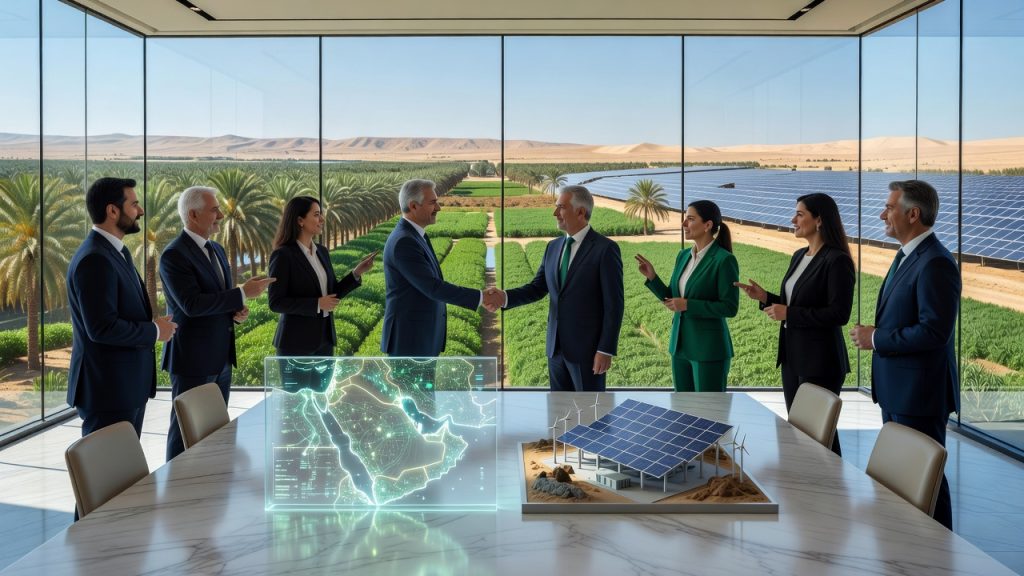
In a groundbreaking development in international diplomacy, Iran and Israel have reached a historic agreement. This breakthrough is not just a headline; it marks a significant turning point with profound implications for regional stability and global security. The accord involves critical elements such as a ceasefire framework, Iran’s commitment not to pursue nuclear weapons, and the reopening of the Strait of Hormuz, a crucial conduit for global energy supplies.
Backdrop of Tensions
To appreciate the gravity of this agreement, we must first consider the backdrop against which it unfolds. The tensions between Iran and Israel have been a powder keg of geopolitical instability for years, impacting not just their immediate borders but also global security. Repeated military engagements, including airstrikes and retaliatory actions, have kept the region on the brink of broader conflict. This persistent tension threatened both regional and global security, given the Middle East’s strategic importance as a nexus of energy production and supply.
Significance of the Strait of Hormuz
The Strait of Hormuz is one of the world’s most vital maritime chokepoints, with around one-fifth of the world’s oil passing through this narrow waterway. Any disruption here has immediate and far-reaching consequences for global energy markets, potentially leading to price spikes and affecting economic stability across continents. Thus, the reopening of this strait not only promises immediate economic relief but also signifies a broader commitment to maintaining open and secure shipping lanes.
Iran’s Nuclear Pledge
Central to this agreement is Iran’s pledge not to build or acquire nuclear weapons. This is not merely a regional concern but a global one, as nuclear proliferation in the Middle East has long been a source of international anxiety. For the United States, Israel, and many other countries, preventing Iran from attaining nuclear capabilities has been a cornerstone of foreign policy. This commitment, if upheld, could alter the strategic calculus of the region, offering a glimmer of hope for lasting peace and stability.
Economic Incentives and Reconstruction
What makes this agreement particularly noteworthy is its multifaceted approach. Beyond immediate security arrangements, it includes a substantial reconstruction fund for Iran. This aspect indicates a strategic pivot from mere containment to fostering economic recovery and stability. By providing economic incentives, the deal aims to make compliance more attractive to Iran, potentially reducing motivations for future confrontations. Economic recovery could stabilize internal conditions within Iran, leading to more predictable and less aggressive foreign policy behavior.
Challenges to Sustainability
Despite initial optimism, the durability of this accord remains uncertain. The legacy of mistrust between the parties involved is deep, and agreements in such a fraught context have historically been fragile. The success of this agreement will hinge on robust mechanisms for verification and enforcement and the political will of all parties to adhere to their commitments. Whether military actors honor the ceasefire is another critical factor. Moreover, the perception of this agreement by other regional powers will also play a crucial role in its sustainability. If regional rivals see it as a threat to their interests, they may seek to undermine it.
In conclusion, while this diplomatic breakthrough between Iran and Israel is a cause for cautious optimism, it is also a reminder of the complexities inherent in international relations. The path to peace is fraught with challenges, and maintaining the momentum of this agreement will require diligent efforts from all parties involved, as well as the support of the international community. This moment is a testament to the power of diplomacy and negotiation over conflict and confrontation. As we observe how this unfolds, it serves as a valuable case study in the delicate balance of peacebuilding in a region where the stakes are nothing short of global in their reach. Share your thoughts in the comments below.