Rare Earths, Hydrogen Breakthroughs, and Volcanic Cement: The Green Tech Innovations Shaping 2025
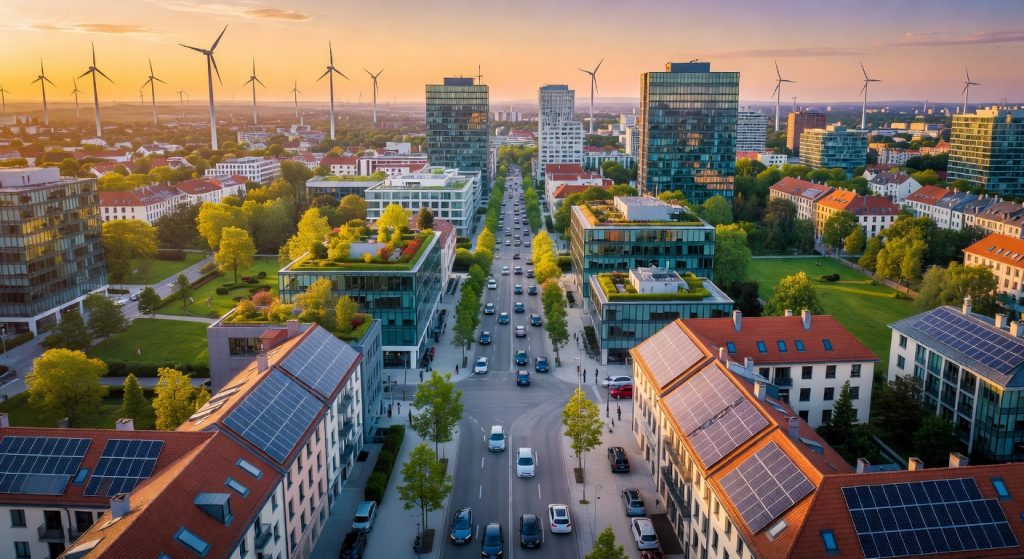
The global energy transition is accelerating — but so are the tensions beneath its surface. A landmark new report from the International Energy Agency (IEA) has put a spotlight on one of the cleantech sector’s most pressing vulnerabilities: the growing mismatch between surging demand for rare earth elements and the dangerously slow pace of supply diversification worldwide. At the same time, a wave of promising green innovations — from next-generation hydrogen fuel cells to volcanic rock construction materials — is offering reasons for cautious optimism. Here is what decision-makers, citizens, and sustainability professionals need to know.
The Rare Earth Bottleneck: A Critical Threat to the Energy Transition
The IEA’s latest findings make for sobering reading. Rare earth elements — essential components in electric vehicle motors, wind turbines, and a wide range of renewable energy technologies — are in increasingly high demand. Yet the global supply chain remains heavily concentrated, with China controlling an estimated 60% of rare earth mining and over 85% of processing capacity worldwide. For Europe, which has set ambitious targets under the European Green Deal and the Critical Raw Materials Act, this dependency represents both an economic and a strategic risk.
The IEA urges governments and industry to dramatically accelerate supply diversification — through domestic extraction, recycling programmes, and international partnerships with resource-rich nations. The EU has already identified rare earths as critical raw materials and is investing in projects across Scandinavia and Southern Europe, but progress remains slow relative to the pace of demand growth driven by electric mobility and renewable energy deployment.
Adding complexity to the picture, the US Environmental Protection Agency’s recent reversal of its CO2 endangerment finding threatens to dampen American clean energy investment — a move that could shift competitive pressure onto European and Asian cleantech markets, with unpredictable ripple effects on global supply chains and pricing.
Hydrogen and Construction: Breakthroughs That Could Change the Game
Against this backdrop of supply-side anxiety, two significant green innovation breakthroughs deserve attention.
First, researchers have achieved a notable advance in interface engineering for hydrogen fuel cells, addressing one of the core material challenges that has long limited the performance and durability of high-power green hydrogen systems. Hydrogen remains central to Europe’s decarbonisation strategy — particularly for hard-to-abate sectors like heavy industry and long-distance transport — and improvements in fuel cell technology could meaningfully accelerate its commercial viability.
Second, a newly developed volcanic rock formula has demonstrated the ability to cut carbon emissions in construction materials by up to 67%, offering an affordable alternative to the scarce supplementary cementitious materials currently used in low-carbon concrete. This is particularly significant for smart cities and urban infrastructure projects across Europe, where the construction sector accounts for roughly 40% of total energy consumption and a substantial share of CO2 emissions. Scalable, cost-effective solutions like this could prove transformative for green building standards under initiatives such as the EU’s Renovation Wave.
Electric Mobility Expands — and Europe Must Keep Pace
On the urban mobility front, Waymo’s expansion of autonomous electric vehicle services to all riders in Miami and Orlando marks another milestone for electric mobility and the integration of cleantech into everyday urban life. While this development is US-centric, it sends a clear signal to European cities investing in smart mobility infrastructure: the convergence of electrification and autonomy is no longer a distant prospect.
European cities from Amsterdam to Barcelona are already piloting autonomous electric shuttles and expanding EV charging networks. The challenge now is ensuring that the rare earth supply chains underpinning these vehicles are resilient, ethical, and diversified — a policy priority that links directly back to the IEA’s warnings.
Implications for Europe’s Green Transition
Taken together, these developments paint a nuanced picture of where the energy transition stands in 2025:
- Supply chain resilience must become a core pillar of European cleantech policy, not an afterthought.
- Innovation in materials science — from hydrogen membranes to volcanic cement — offers genuine pathways to decarbonisation that deserve sustained public and private investment.
- Electric mobility and smart city development are advancing rapidly, but their sustainability credentials depend on solving upstream resource challenges.
- Geopolitical shifts, including US policy reversals, underscore Europe’s need for strategic autonomy in green technology.
Key takeaway: Green technology is advancing on multiple fronts simultaneously — but the energy transition’s success will ultimately depend not just on innovation, but on the political will and industrial capacity to build supply chains that are as clean, fair, and resilient as the technologies they support. Europe has the frameworks; now it needs the speed.