El Niño Returns in 2026: What It Means for Climate Targets, Extreme Heat, and Europe’s Green Agenda
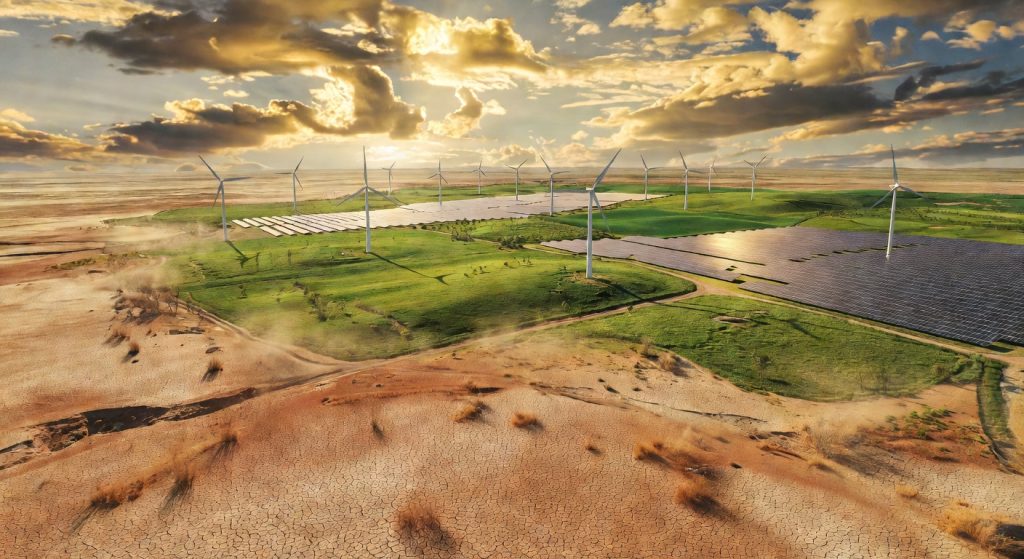
A new climate disruption is taking shape on the horizon. NOAA’s Climate Prediction Center has issued a forecast giving a 61% probability of El Niño developing between May and July 2026, with conditions likely persisting through the end of the year. Coming on the heels of a period of ENSO-neutral conditions — expected to hold through April-June 2026 with 80% confidence — this shift could push global temperatures to record-breaking levels and amplify extreme weather events already straining ecosystems, agriculture, and communities worldwide.
For Europe and the broader international community, this forecast is not just a meteorological footnote. It arrives at a moment when the gap between climate ambition and climate reality has never been more glaring — and when the cost of inaction is measured in lives, livelihoods, and lost biodiversity.
A Warming World Getting Warmer: The El Niño Threat in Context
El Niño events, driven by anomalous warming of the central and eastern Pacific Ocean, have historically been associated with disrupted rainfall patterns, intensified droughts, and spikes in global average temperatures. The 2023-2024 El Niño contributed to the hottest year on record. A return of similar conditions in 2026 raises serious alarm.
NOAA’s Spring Outlook (March 20, 2026) already flags expanding drought across the U.S. West and parts of the Plains, heightening risks for agriculture, water supplies, and millions of citizens. But the ripple effects stretch far beyond North America. The WMO State of the Climate in the Arab Region 2024 (published December 2025) documented record heat events that affected 3.8 million people, with only 60% of countries in the region currently equipped with adequate early warning systems.
Europe, too, is not immune. Mediterranean droughts, Alpine glacier retreat, and increasingly severe summer heatwaves are all phenomena that an El Niño-amplified climate will worsen. For a continent deeply invested in its Green Deal and biodiversity strategies, this forecast is a stress test arriving ahead of schedule.
The Emissions Gap: Policy Is Still Falling Short
The timing of this El Niño forecast collides with a sobering assessment from the United Nations. The UNEP Emissions Gap Report 2025 (October 2025) projects that under current national plans, the world is on track for 2.3 to 2.5°C of warming by the end of the century — well above the 1.5°C threshold enshrined in the Paris Agreement. To stay within that limit, the report calls for 55% cuts in global greenhouse gas emissions by 2035.
That is an enormous ask, and one that places immense pressure on governments, businesses, and investors. For European companies, the policy environment is already tightening through the Corporate Sustainability Reporting Directive (CSRD) and the EU Taxonomy for sustainable finance. But the UNEP report makes clear that current pledges — even if fully implemented — are insufficient. The emissions gap is not closing fast enough.
Renewable energy deployment remains the single most powerful lever available. Europe has made significant strides, with wind and solar capacity expanding rapidly, but the pace must accelerate dramatically to meet 2035 targets while also managing the energy demand surge that a hotter world will bring.
The Cooling Paradox and the Path to Sustainable Solutions
One of the most underappreciated consequences of rising temperatures is the explosive growth in cooling demand. A UNEP report published in November 2025 warns that global demand for cooling could triple by 2050, potentially doubling emissions from the sector unless a fundamental shift occurs. The report identifies a ‘Sustainable Cooling Pathway’ that could save $43 trillion in energy costs and protect 3 billion people from dangerous heat exposure.
This is both a challenge and an opportunity for European industry and environmental policy. Investing in passive cooling architecture, high-efficiency heat pumps powered by renewable energy, and urban green infrastructure — trees, parks, reflective surfaces — can simultaneously reduce pollution, support biodiversity, and cut carbon emissions.
Implications for Citizens, Businesses, and Decision-Makers
- Citizens should prepare for more frequent and intense heatwaves, water restrictions, and higher energy bills — and advocate for urban greening and climate adaptation in their municipalities.
- Businesses face accelerating regulatory pressure and physical climate risks; supply chain resilience and energy transition planning are no longer optional.
- Policymakers must close the gap between stated ambitions and actual emissions trajectories, while expanding early warning systems and investing in climate-resilient infrastructure.
Key takeaway: The 2026 El Niño forecast is a preview of the compounding climate pressures the world will face if emissions trajectories do not change. Europe has the tools, the policy frameworks, and the industrial capacity to lead — but the window for meaningful action is narrowing with every degree of warming. The question is no longer whether climate change is accelerating. It is whether our response will match the speed of the crisis.