Toxic Chemicals in the Air We Breathe: What MCCPs Found in U.S. Skies Mean for Europe
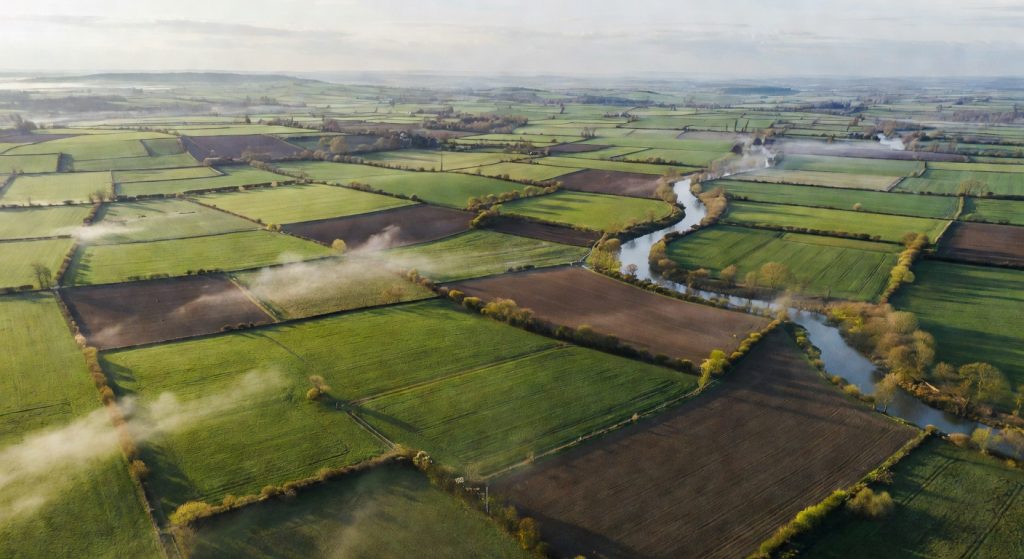
A troubling discovery has emerged from recent environmental monitoring in the United States: toxic chemicals known as medium-chain chlorinated paraffins (MCCPs) have been detected in ambient air samples, with researchers pointing to sewage sludge-based fertilizer as a likely source. While the finding originates across the Atlantic, it carries urgent implications for European citizens, policymakers, and the broader global conversation around pollution, soil health, and the hidden costs of circular economy shortcuts.
What Are MCCPs and Why Should We Be Alarmed?
Chlorinated paraffins are a family of synthetic industrial chemicals used widely as plasticizers and flame retardants in manufacturing. Medium-chain chlorinated paraffins, or MCCPs, are already classified as substances of very high concern under the European Union’s REACH regulation, and their use is subject to strict restrictions within the EU. They are persistent, bioaccumulative, and potentially toxic to aquatic organisms and human health.
What makes the U.S. detection particularly alarming is the suspected pathway: sewage sludge applied as agricultural fertilizer. This practice — known as biosolid land application — is common in both North America and parts of Europe as a way to recycle nutrients and reduce waste. When sludge contaminated with industrial chemicals is spread on fields, those compounds don’t simply disappear. They can volatilize into the air, leach into groundwater, and enter the food chain.
According to the April 2026 findings, MCCPs were measurable in outdoor air near areas where biosolid fertilizers had been applied — a signal that atmospheric contamination from agricultural land use may be more significant than previously understood.
Europe’s Regulatory Position: Strong on Paper, Tested in Practice
The European Union has been a global leader in environmental policy targeting persistent pollutants. The EU’s restriction of short-chain chlorinated paraffins (SCCPs) under the Stockholm Convention and the tighter controls on MCCPs under REACH represent genuine progress. The European Green Deal and the Zero Pollution Action Plan both set ambitious targets for reducing chemical contamination in air, water, and soil by 2030.
However, the U.S. findings expose a structural vulnerability: the regulation of what goes into sewage sludge before it reaches farmland. Across Europe, standards for biosolid application vary significantly between member states. While Germany and the Netherlands have moved toward stricter limits or outright bans on certain sludge applications, other countries still permit widespread use with limited chemical screening.
- The EU’s revised Sewage Sludge Directive has been under discussion for years but remains stalled amid lobbying and disagreements over testing thresholds.
- PFAS — another class of persistent pollutants — have already been found in European biosolids at levels exceeding safe limits in multiple member states.
- Air quality monitoring in Europe rarely screens specifically for chlorinated paraffins, meaning contamination could be occurring undetected.
The Bigger Picture: Pollution, Biodiversity, and the Limits of Circular Economy Logic
This story sits at the intersection of several critical sustainability challenges. The push to recycle sewage sludge as fertilizer is, in principle, aligned with circular economy goals — reducing landfill waste and returning nutrients to soil. But when that sludge carries a cocktail of industrial chemicals, the environmental calculus changes dramatically.
Soil contamination from persistent chemicals threatens biodiversity at the microbial level, disrupting the ecosystems that underpin agricultural productivity. It also undermines conservation efforts in areas adjacent to treated farmland. And when those chemicals become airborne, the problem transcends property lines, watersheds, and even national borders.
For renewable energy and green transition advocates, there is a parallel lesson: the sustainability of any solution must be evaluated across its entire lifecycle. A circular economy built on contaminated inputs is not truly circular — it is a slow-motion redistribution of harm.
What This Means for Citizens and Decision-Makers
For European citizens, the immediate takeaway is one of informed vigilance. If you live near agricultural land, understanding what is applied to local fields is a legitimate public health concern — and one you have the right to raise with local authorities.
For policymakers, the U.S. findings should accelerate two specific actions: finalizing and strengthening the revised Sewage Sludge Directive, and expanding air quality monitoring networks to include persistent organic pollutants like MCCPs. The European Environment Agency (EEA) and national agencies should treat this as an early warning signal, not a distant American problem.
Key takeaway: Pollution does not respect borders, and the chemicals we spread on our soils today will shape the air, water, and food systems of tomorrow. Europe’s strong regulatory framework is an asset — but only if it is fully implemented, continuously updated, and backed by the monitoring infrastructure needed to detect emerging threats before they become crises.