Middle East Tensions Escalate: Global Impact on March 18, 2026
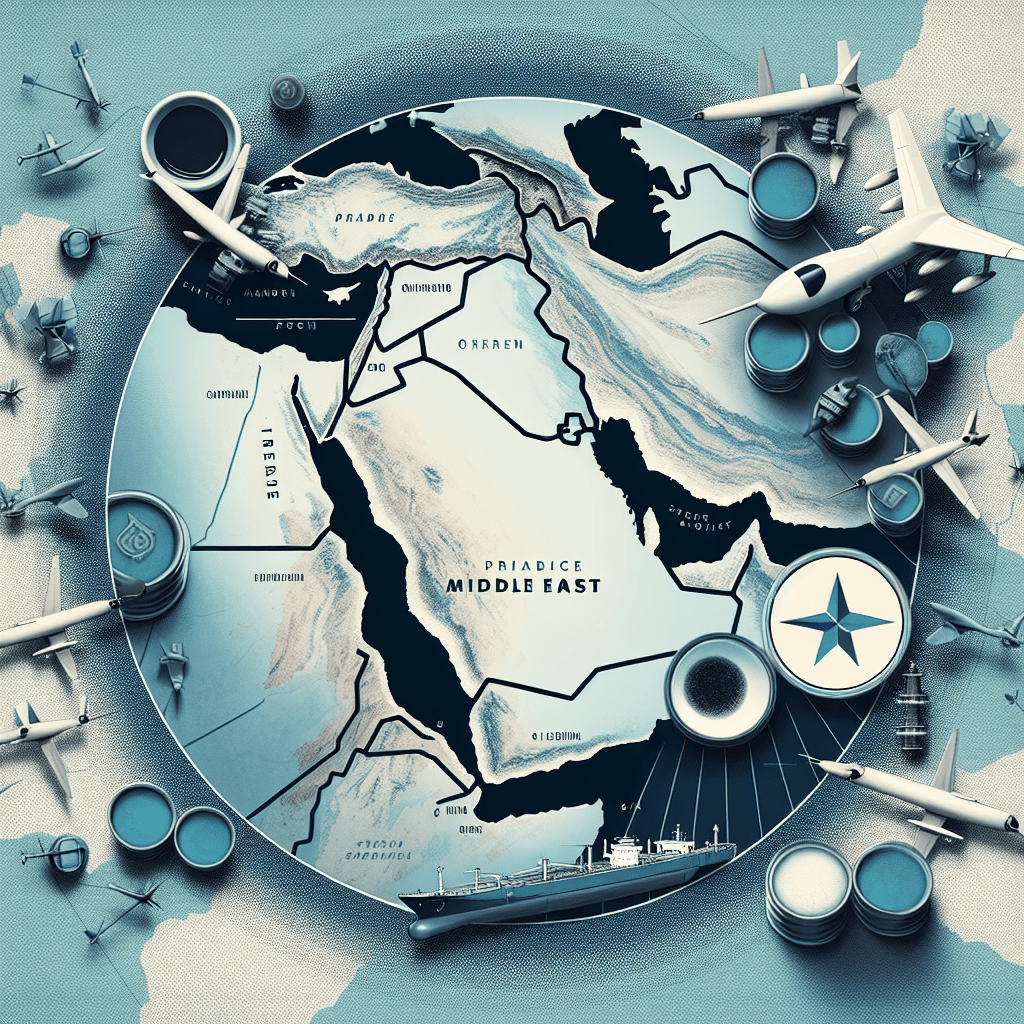
As the geopolitical landscape shifts dramatically, the Middle East finds itself at the center of a brewing storm that threatens to reshape global alliances and economies. Recent escalations between the United States and Iran, punctuated by Israel’s assassination of two key Iranian security officials, have intensified tensions, prompting widespread repercussions. This volatile situation is not only altering diplomatic ties but also sending shockwaves through global markets.
The Strategic Importance of the Strait of Hormuz
Central to this crisis is the Strait of Hormuz, a vital passageway for one-fifth of the world’s oil supply. Iran’s blockade of this chokepoint has propelled global oil prices upward, leading to economic disruptions worldwide. Countries such as India and Canada are urgently implementing energy conservation measures and boosting domestic production to mitigate the impact. However, the ramifications extend beyond economics, posing significant challenges to international relations.
NATO’s Role and Internal U.S. Discord
President Donald Trump’s call for increased NATO involvement highlights the seriousness of the situation. His warning of dire consequences for allies reluctant to assist in securing the Strait of Hormuz adds pressure on NATO members to align with U.S. strategy. Yet, dissent is brewing within the U.S. administration. The resignation of Joe Kent, the director of the U.S. National Counterterrorism Center, underscores internal disagreements. Kent labeled the conflict unnecessary and attributed it to external pressures, igniting debate even among Republicans and questioning the coherence of U.S. foreign policy.
Unilateral U.S. Actions and Allied Responses
The origins of the conflict trace back to U.S. airstrikes on Iran, conducted without broad allied consultation. This unilateral approach has alienated traditional allies, with Canada explicitly opting out and labeling it America’s battle. The situation echoes past interventions but with higher stakes, given Iran’s naval capabilities and its network of proxy militias that wield considerable influence in the region.
Geopolitical and Economic Implications
The potential closure of the Strait of Hormuz could trigger a global economic recession, accelerating the shift towards alternative energy sources and altering geopolitical landscapes. Should Iran’s government collapse under mounting pressures, a significant redrawing of the Middle Eastern map could occur. This scenario would likely exacerbate regional tensions, inviting further instability in an already volatile area.
Global Leadership and Future Trajectories
In the broader context, President Trump’s pressure on NATO and China to engage in this conflict risks alienating crucial partners. The potential diplomatic isolation of the U.S. could empower geopolitical rivals, eager to expand their influence. As alliances are tested, the resilience of global systems reliant on collaborative security and economic arrangements faces severe challenges.
The complexities of the current escalation are vast, demanding an understanding of military dynamics, international diplomacy, economic interdependence, and power balances. These elements will not only shape the outcome of this conflict but also the future trajectory of international relations.
In conclusion, the unfolding Middle Eastern crisis is a critical test for global leadership and cooperation. Navigating the path forward requires strategic foresight and a firm commitment to peace and stability. As these developments continue to unfold, staying informed and engaged is crucial, as the implications reach far beyond the immediate region, affecting lives and futures globally. Share your thoughts in the comments below.