March 6, 2026: U.S.-Israel-Iran Tensions Escalate to Critical Levels
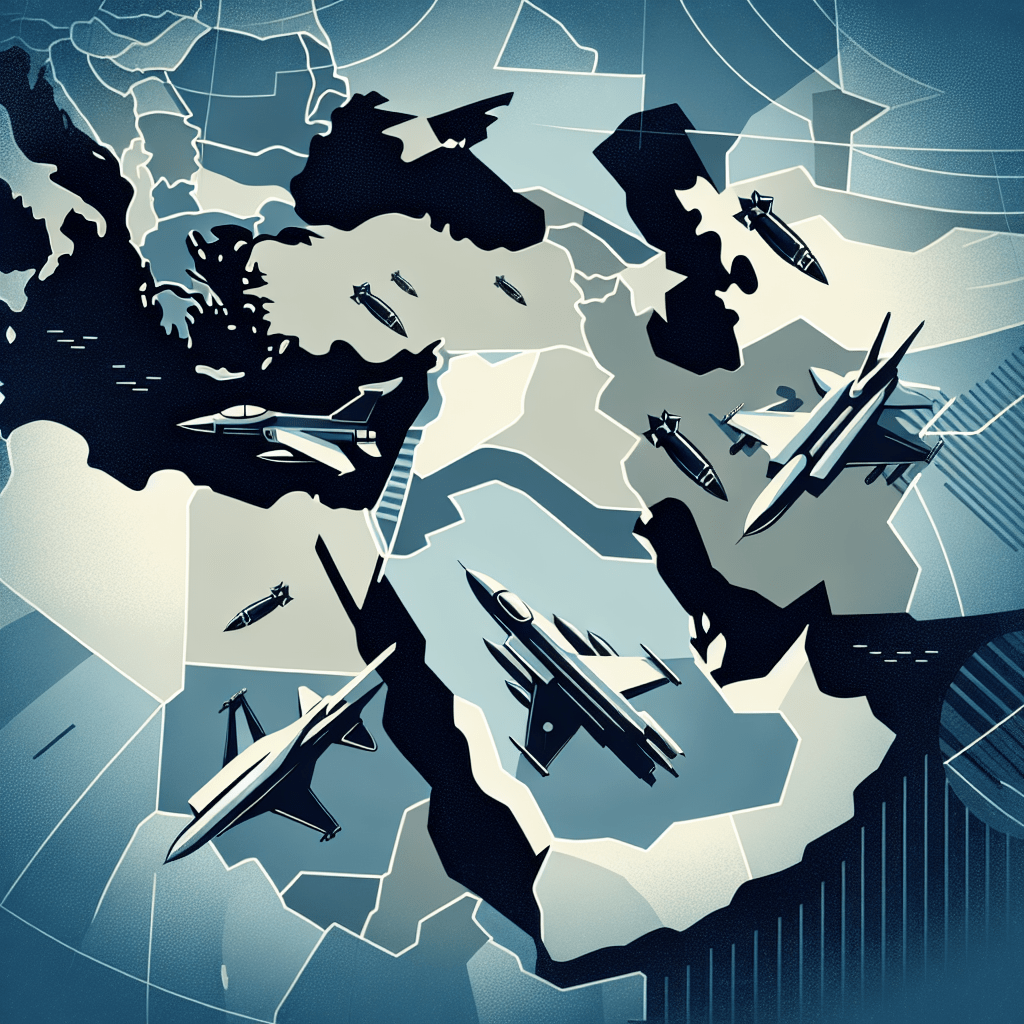
In recent weeks, the military confrontation between the United States, Israel, and Iran has escalated into a significant geopolitical crisis, marking the most intense clash in the Middle East in decades. This conflict, deeply rooted in a complex web of historical tensions, now threatens to redraw the lines of global power and influence. Understanding the broad context and implications is crucial as these events could have profound effects on international stability and security.
Escalation of Hostilities
The recent intensification of hostilities, highlighted by joint U.S. and Israeli airstrikes against Iranian targets, marks a dramatic turning point. This escalation was precipitated by preemptive military actions, resulting in the deaths of key Iranian leaders. The Pentagon’s announcement to extend strikes deeper into Iranian territory underscores a strategy aimed at significantly diminishing Iran’s military capabilities.
Footage of a U.S. submarine torpedoing an Iranian warship in the Indian Ocean, resulting in substantial loss of life, starkly illustrates the seriousness of this conflict. To date, over 20 Iranian ships have reportedly been struck or sunk, with the pace of these operations only accelerating.
Historical Roots and Animosity
The origins of this conflict are deeply rooted in history, dating back to the 1950s with the U.S.-backed coup in Iran and the subsequent 1979 Islamic Revolution. Decades of sanctions over Iran’s nuclear ambitions have further strained relations, with Israel frequently accusing Iran of using its nuclear program as a facade for developing weapons. The animosity is mutual, as Iran refuses to recognize Israel’s existence and supports proxies like Hezbollah in Lebanon, which are now directly involved in the conflict.
Economic Implications and Global Security
The current military operations raise the specter of a broader regional war and pose significant challenges to global economic stability. The Strait of Hormuz, through which approximately 20 percent of the world’s oil flows, has become a focal point with Iran threatening maritime traffic. Disruption in this key chokepoint has led to spikes in oil and gas prices, affecting global markets and foreshadowing possible energy crises.
The closure of commercial airspace over vital corridors compounds this situation, stranding travelers and necessitating emergency evacuation plans. The potential deployment of Kurdish forces, backed by the U.S. and Israel, introduces another layer of complexity, shifting the conflict from air and naval engagements to a terrestrial front along Iran’s northern border.
Domestic and International Reactions
Domestically, the U.S. administration faces increasing scrutiny over its actions, with questions about the legal and ethical frameworks guiding these military escalations. Meanwhile, Iran remains defiant despite significant military setbacks, with the potential to rally domestic support through asymmetric warfare tactics or further engagement with regional proxies.
Internationally, the involvement of nations such as the UK adds a layer of complexity to the dynamics of this conflict. The formation of a coalition signals a unified front, but it also raises the risk of miscalculation, potentially drawing in additional powers like Russia. The shifting alliances and emerging tensions could reshape global security arrangements with long-term implications.
Conclusion: A Call for Caution and Diplomacy
The escalation between the United States, Israel, and Iran is not merely a regional issue but a global one, with economic, political, and security ramifications that could reverberate for years. It is imperative for all parties involved to consider the potential consequences of their actions carefully, striving to avoid further escalation while seeking diplomatic resolutions. The challenge remains formidable: balancing strategic interests with the urgent need for peace and stability in a region long known for international conflict. Share your thoughts in the comments below.