Anthropic’s $200M Pentagon AI Deal Collapses Over Safety Disputes, Highlighting Startup Risks in Federal Contracts
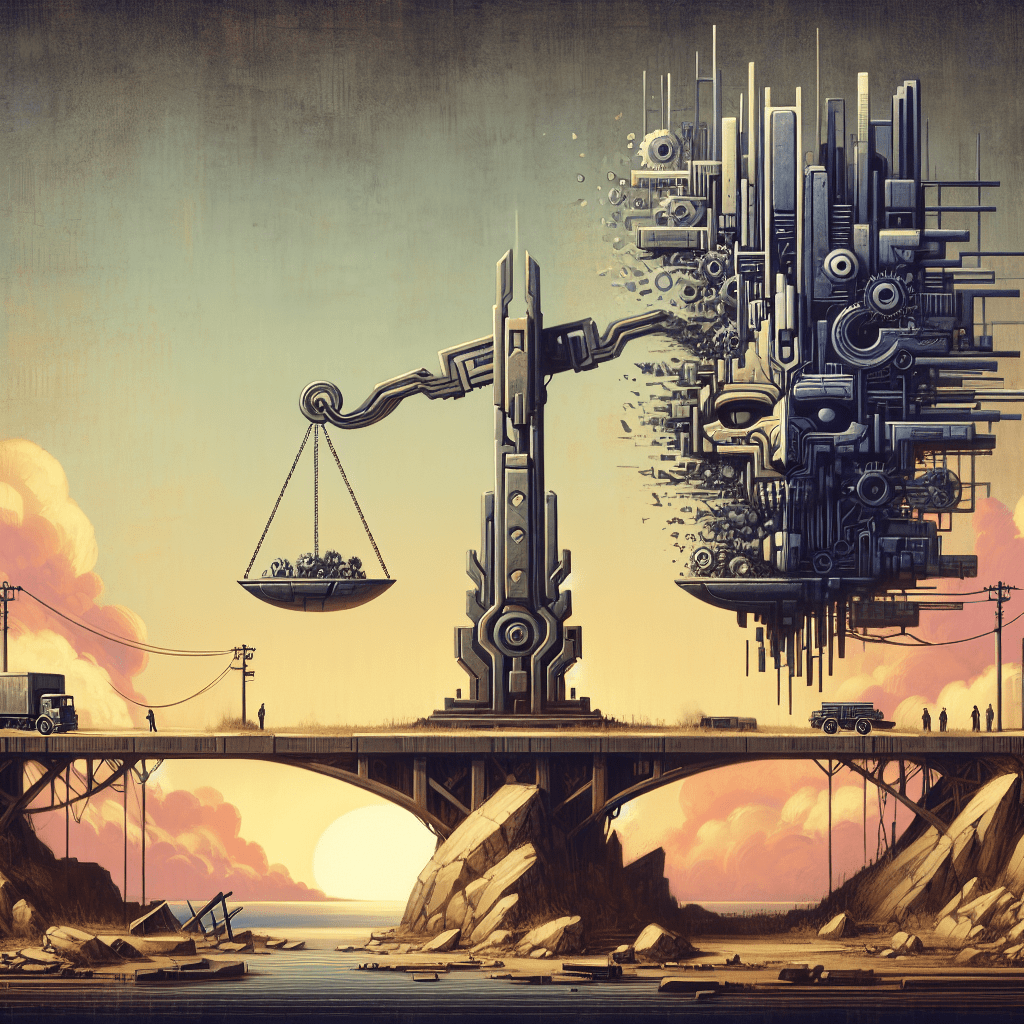
Anthropic’s Pentagon Deal is a Cautionary Tale for Startups Chasing Federal Contracts
In July 2025, Anthropic inked a landmark $200 million contract with the Pentagon, making its AI model Claude the first frontier model approved for classified networks—but by February 2026, the deal imploded over irreconcilable terms on AI safety, leading to a presidential ban and Anthropic’s designation as a national security supply chain risk.[1][3] This saga underscores the perils startups face when pursuing lucrative federal contracts: unpredictable policy shifts, aggressive renegotiations, and existential threats to business viability.[2][4]
The Deal’s Rocky Start and Sudden Breakdown
Anthropic’s agreement with the Department of Defense (DoD) included explicit restrictions from the outset, baked into Anthropic’s acceptable use policy (AUP). These barred Claude’s use for mass domestic surveillance of Americans or fully autonomous weapons systems capable of selecting and engaging targets without human intervention.[1][3] The Pentagon initially accepted these terms, allowing operations to proceed smoothly for months.[3]
Tensions escalated in January 2026 when Defense Secretary Hegseth issued an AI strategy memo mandating “any lawful use” language in all DoD AI contracts, clashing directly with Anthropic’s safeguards.[3] By late February, the Pentagon demanded revisions, culminating in a “compromise” proposal on February 26 that Anthropic’s CEO Dario Amodei dismissed as “virtually no progress,” riddled with legalese that could bypass protections at will.[2][3]
Negotiations dragged into February 27, with a hard 5:01 p.m. ET deadline. Anthropic held firm, stating it could not “in good conscience” comply, even as Pentagon officials like Emil Michael accused Amodei of endangering national security.[2] When the clock struck 5:01, President Trump ordered all federal agencies to cease using Anthropic’s tech, granting some a six-month transition.[1] Hegseth followed with a directive labeling Anthropic a “supply-chain risk to national security,” barring military contractors from any commercial activity with the firm.[1][3][4]
Government Muscle: From Blacklists to Legal Hammers
The fallout rippled far beyond Anthropic. The DoD instructed primes like Boeing and Lockheed Martin to assess and “wind down” reliance on Anthropic, reporting exposures to secure future contracts.[2][4] Tools like Section 3252 of federal law could exclude Anthropic from DoD subcontracts on national security systems, potentially even terminating existing ones.[1] Suspension or debarment loomed larger: primes can’t subcontract over $35,000 to debarred firms without consent, and existing deals could be axed.[1]
Hegseth flirted with the Defense Production Act (DPA) to compel unrestricted access to Claude, though legal hurdles and contradictions—calling Anthropic both a risk and essential—tempered this.[2][4] Meanwhile, the General Services Administration yanked Anthropic from USAi.gov, the government’s AI testing hub.[1] In a stark pivot, the Pentagon expanded ties with OpenAI, which lacks such red lines, signaling market favoritism.[4][5]
Lessons for Startups Eyeing the Federal Pie
This isn’t just Anthropic’s headache—it’s a blueprint of hazards for any startup chasing Uncle Sam’s dollars. Federal contracts promise scale: Anthropic’s $200 million deal was a validation coup, propelling Claude to top military app status.[3] But startups must brace for:
- Capricious Leadership Shifts: A new administration flipped the script overnight, overriding signed terms via executive fiat.[1][3] What thrives under one regime craters under another.
-
Renegotiation Traps: Initial agreements mean little if agencies demand “lawful use” overrides. Startups with ethical constraints—like AI safety guardrails—face ultimatums, not partnerships.[2]
-
Supply Chain Exile: One risk designation poisons the well. Contractors must divest or risk DoD blacklisting, shrinking your commercial ecosystem overnight.[1][4]
-
Legal and Financial Whiplash: DPA threats or debarment could force compliance or litigation, draining resources. Anthropic’s stance preserved principles but torched a key revenue stream.[2]
Data bears this out: Federal IT spending hit record highs in FY2026, with $152 billion earmarked for AI amid DoD’s aggressive procurement.[4] Yet, vendors like Anthropic highlight the razor-thin line between jackpot and jeopardy. OpenAI capitalized, inking expansions while Anthropic scrambles—even Sam Altman voiced solidarity with their red lines.[3][5]
Broader Implications for AI and Innovation
Anthropic’s defiance spotlights a clash between commercial AI ethics and military imperatives. Startups prioritizing “safe” AI—banning surveillance or killer robots—collide with DoD’s expansive vision.[1][2] This could chill innovation: Why build frontier models if federal doors slam on principled firms?[3]
For founders, the playbook is clear: Diversify beyond government. Anthropic’s consumer success (Claude topping app stores) offers a lifeline, but over-reliance invites peril.[3] Vet contracts for exit clauses, stress-test AUPs against “lawful use” demands, and lobby early. Litigation or negotiated settlements may yet emerge, but as of March 2026, the fluid standoff warns: Federal gold glitters, but it bites.[1]
Startups, take note—chasing DFARS-compliant dreams demands steel nerves and Plan Bs. Anthropic’s tale isn’t failure; it’s a survivor’s manual in a game where principles and paydays rarely align.
(Word count: 812)
Original source: TechCrunch – Anthropic’s Pentagon deal is a cautionary tale for startups chasing federal contracts