AI Era Challenges Human Emotion: Love’s Figments vs. Reason’s Hallucinations in 2026
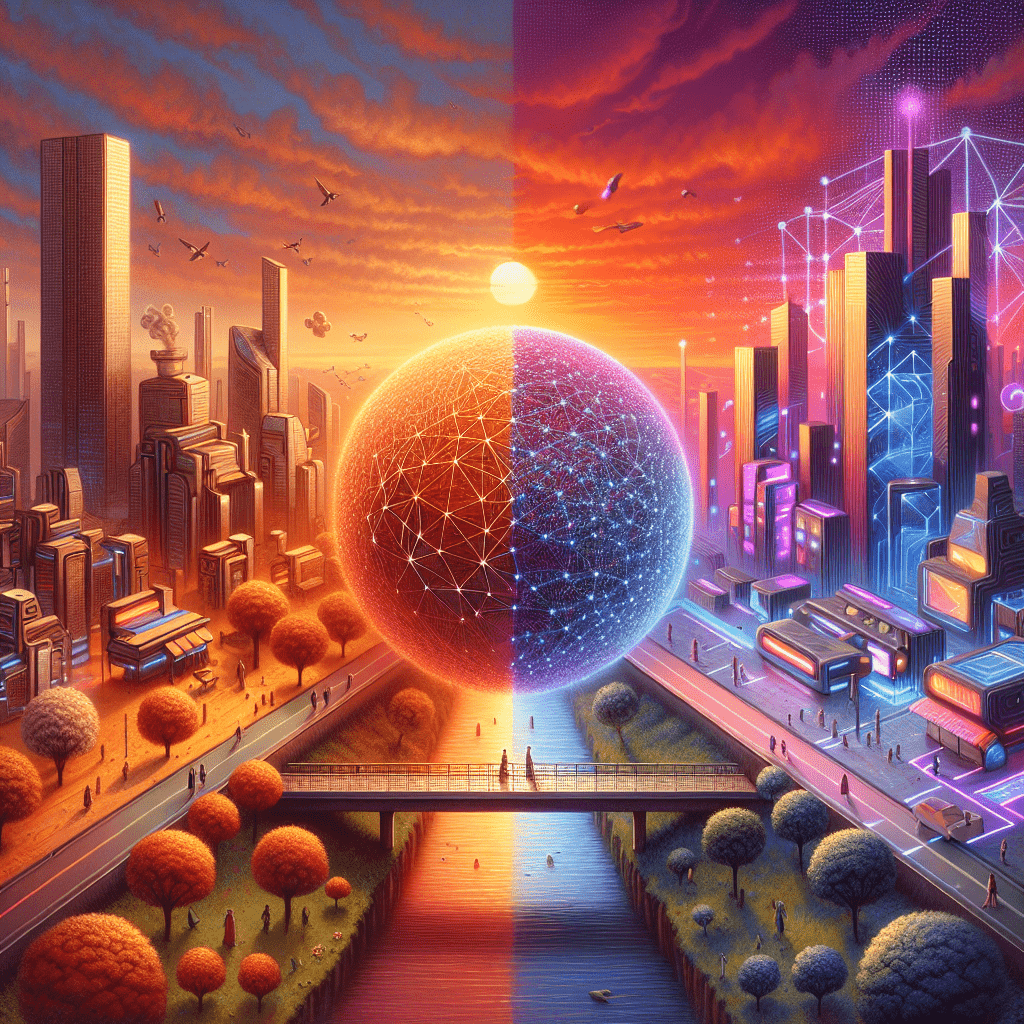
The Figments of Love and the Hallucinations of Reason
We feel first and think second, then spend our lives twisting ourselves into knots to reverse the order, subordinating raw emotion to cold logic—only to emerge diminished, less alive, in our desperate flight from feeling.[1] This tension between the figments of love—those ethereal, heart-born illusions that propel us toward ecstasy—and the hallucinations of reason, the mind’s cunning rationalizations that dam the flood, defines much of human experience. As we navigate 2026’s accelerating world of AI-driven perceptions and neural interfaces, these dynamics feel more urgent than ever, blurring the line between authentic emotion and fabricated certainty.
The Heart’s Insistent Whisper
Consider how love sneaks in, unbidden and irrational. The mind, ever the protector, erects barriers of reason: “This is mere admiration,” it whispers, as joy surges from shared ideas, intellectual sparks, and the electric thrill of mutual understanding.[1] For those of high intelligence and sensitivity, the denial is fiercest. We catalog incompatibilities—distance, timing, availability—like brambles fortifying a castle. Yet, against a joy potent enough, the dam crumbles. Eros rushes in, uncontrollable, leaving us awash in love too late to contain.
Maria Popova captures this in her essay Traversal, noting how we wake “suffused with an all-pervading love, suffocated by the impossibility of its actualization.”[1] It’s a universal trap: the heedless heart races ahead, while reason trails, stitching excuses. But to dismiss this as folly ignores love’s true gift. Even unrequited or unrealized, giving it a chance counters the deeper wound—the regret of paths untaken. Popova insists: “To have given love in all of its confusions and complexities and possible catastrophes a real chance is the only antidote to the greater wound, the pain that so poisons a life.”[1]
Reason’s Deceptive Veil
Flip the coin, and reason reveals itself as the grand hallucinator. We retroactively label love a “hallucination of the heart,” a survivalist rewrite to salve the pain.[1] This is no mere metaphor. Neuroscience echoes it: perception isn’t passive reception but the brain’s “best guess” of reality, blending sensory input with priors and expectations.[3] Vision, sound, even pain—all are constructed predictions, not direct feeds. Change the brain’s model, and the world shifts without external alteration.[3]
In Edgar Allan Poe’s The Raven, grief manifests as a spectral bird, a figment born of loss.[2] The narrator, mourning Lenore, conjures a raven that intones “Nevermore”—a poetic echo of his despair. Is it real? No: the late-night haze, near-sleep state, and impossible behaviors (a smiling raven? Speaking medieval English?) scream hallucination.[2] Poe crafts grief’s abstraction into concrete torment, mirroring how we torture ourselves with self-generated mantras of impossibility. Post-bereavement visions, like the raven, arise from disordered grieving, our subconscious projecting inner turmoil outward.[2]
This isn’t pathology reserved for poets. In schizophrenia, hallucinations feel vividly real, not “mere figments,” as those afflicted attest—vivid voices or visions that reason can’t dispel.[5] Even in health, pain or emotion warps perception: we “see” spiders on the wall in hallucination, yet rationalize them away with control.[3] Reason, then, hallucinates by overcorrecting—dismissing love’s chaos as delusion to preserve sanity.
Bridging Figment and Hallucination
What unites these? Both love and reason are controlled hallucinations of consciousness, survival-tuned predictions.[3] Love’s figments propel connection, evolution’s bet on vulnerability yielding bonds stronger than isolation. Reason’s hallucinations safeguard us, filtering chaos into navigable narratives. Yet overreliance on either impoverishes: pure emotion risks catastrophe; pure logic, sterility.
In 2026, as VR blurs real and simulated, and brain-computer interfaces hack perception, we confront amplified versions. AI companions mimic love’s invigoration; algorithms rationalize choices with data-driven “reason.” The risk? Outsourcing our inner worlds, mistaking digital figments for feeling, probabilistic models for wisdom.
Poe’s raven reminds us: we’re haunted not by externals, but by unprocessed pain.[2] Popova urges embracing love’s mess despite reason’s warnings.[1] The path forward? Integrate them—feel boldly, think rigorously, but never let one eclipse the other. Recognize reason’s rationalizations as the true illusions, love’s impulses as vital truths.
Living the Tension
Ultimately, the figments of love expand us; reason’s hallucinations contract. Honor both: pursue the unavailable connection, then dissect its lessons. Journal the raven’s “Nevermore,” mine it for growth. In a world of engineered realities, reclaim agency by interrogating perceptions—yours a best guess, informed by heart and head.[3]
This dance isn’t flaw but feature. As Popova concludes, shunning feeling shrinks the soul; evading reason invites floods. Embrace the rapids: love fiercely, reason clearly, and thrive in their turbulent union.
(Word count: 812)
Original source: The Marginalian – The Figments of Love and the Hallucinations of Reason