Supreme Court Overturns Trump’s Tariffs: Impact on Trade, Feb 24, 2026
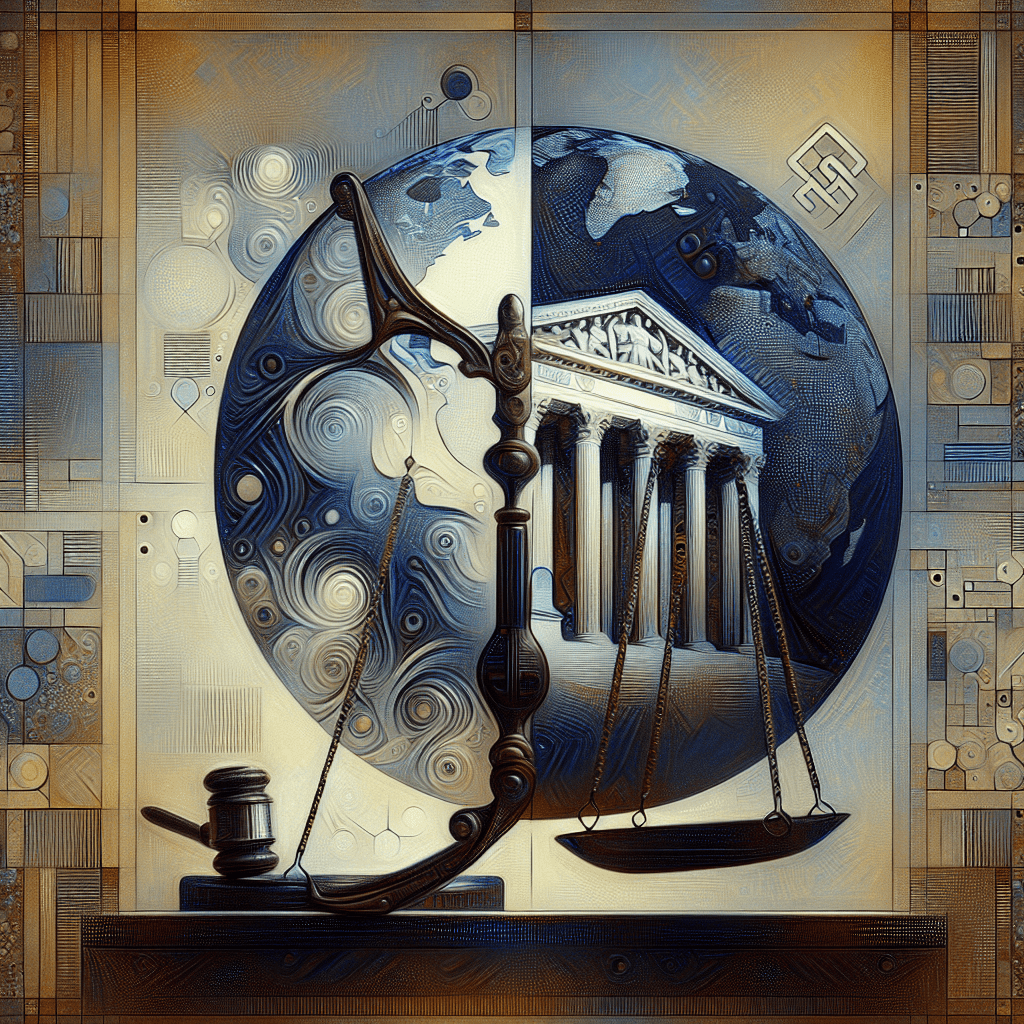
In a significant turn of events, the Supreme Court has issued a landmark 6-3 decision that strikes down the global tariffs imposed by former President Trump. This ruling not only challenges the scope of presidential authority but also reignites the debate over the balance of power between governmental branches. As the nation grapples with this pivotal development, questions about trade policy and constitutional authority take center stage.
The Constitutional Question of Trade Regulation
The tariffs in question were implemented under emergency powers, with Trump arguing they were necessary for national security and industry protection. However, the Supreme Court found this justification lacking legal grounding. By overturning the tariffs, the Court reasserted that Congress holds the primary authority over commerce. This decision serves as a judicial check on the executive’s broad application of tariff powers, emphasizing the need for legislative oversight.
The Impact of Protectionist Policies
Trump’s protectionist trade agenda aimed to revitalize American manufacturing through tariffs on imports like steel and aluminum. However, the results have been mixed, contributing to trade wars and strained relationships with key partners such as the European Union and China. Consequently, American consumers have faced rising prices, while industries like agriculture and manufacturing have suffered export losses.
Economic and International Repercussions
Economically, Trump’s response to the ruling has been to announce further tariff increases, potentially escalating consumer prices and deepening financial strains. Internationally, this move could provoke retaliatory measures from trading partners, further isolating the U.S. on the global stage. Compounding these issues are existing geopolitical tensions, such as the military buildup near Iran, which could destabilize the global economy.
Political Implications and Institutional Trust
Politically, Trump’s actions post-ruling raise significant questions about the limits of presidential power. His pledge to explore “other alternatives” might lead to legislative maneuvers or executive orders that could provoke congressional backlash. This situation also highlights a growing mistrust in institutional independence, echoing past confrontations that have eroded public confidence in the judiciary.
Business and Market Adaptation
For businesses, these developments demand rapid adaptation to higher input costs and increased compliance challenges. Investors face potential market volatility driven by shifting trade headlines. If unresolved, this situation could catalyze bipartisan calls for comprehensive trade reform, though congressional gridlock remains a significant obstacle.
In conclusion, the Supreme Court’s ruling on Trump’s tariffs is more than a legal check on executive power; it is a defining moment that could reshape American trade policy and governance. This decision underscores the importance of maintaining a balance of power, ensuring democratic principles prevail. The implications of this ruling are profound, potentially affecting America’s economic and diplomatic engagements for years to come. Share your thoughts in the comments below.