Giant Tortoises Make Historic Return to Galápagos Island After 180 Years, Thanks to NASA Tech
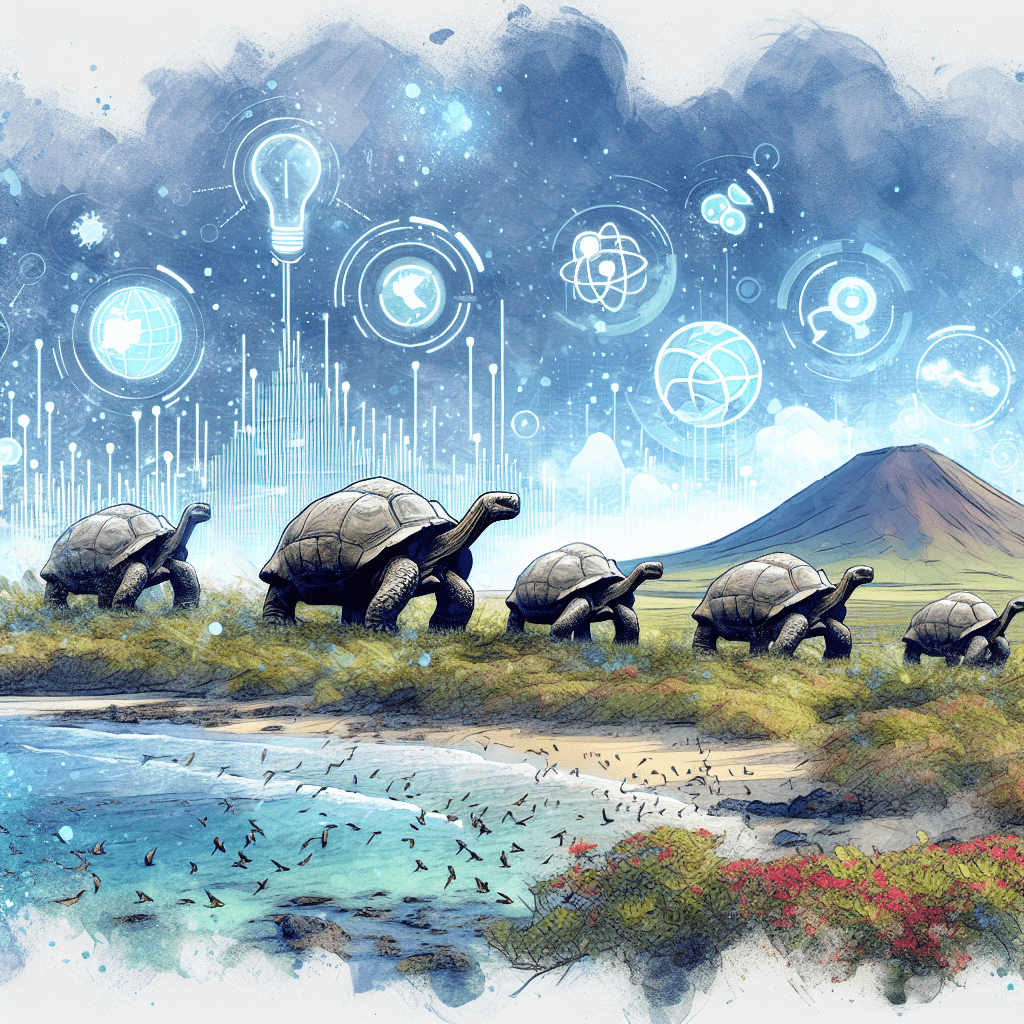
Giant Tortoises Return to Galápagos Island After Nearly 200 Years
Floreana Island in the Galápagos Archipelago welcomed 158 young giant tortoises on February 20, 2026, marking their first return in 180 years. This historic release revives a lineage declared extinct over a century ago, thanks to groundbreaking genetics, breeding programs, and high-tech satellite guidance.[1][2]
A Lost Legacy Rediscovered
The story begins with tragedy. In the 19th century, Floreana’s giant tortoises—once numbering around 20,000—fell victim to whalers who shipped them off as food, devastating fires, and invasive species like rats and cats.[1][3] Charles Darwin noted their decline during his 1835 visit, one of the last witnesses to the species before it vanished from the island.[1][2]
Hope emerged in 2000 when scientists on Isabela Island’s Wolf Volcano found tortoises with unusual traits. DNA analysis later confirmed these carried Floreana ancestry, likely transported by whalers over 150 years ago.[1][2] This discovery sparked a breeding program, producing hundreds of hybrids with the strongest genetic ties to the original lineage.[3]
On February 20, 2026, 158 juveniles aged 8 to 13 years—large enough to fend off predators—stepped onto Floreana’s volcanic soil.[1][2][3] Selected for their robust Floreana genetics, they arrived just as seasonal rains greened the landscape, ideal for exploration.[3]
NASA Tech Guides the Way Home
Releasing tortoises isn’t simple; islands vary from misty highlands to arid lowlands, and captives must learn food, water, and nesting spots.[2] Enter NASA satellite data, which maps vegetation, moisture, and temperature shifts across the Galápagos.[2]
Scientists like Dr. James Gibbs of Galápagos Conservancy and Giorgos Mountrakis from SUNY College of Environmental Science and Forestry built a decision tool blending this data with millions of field observations.[2] It pinpoints optimal release sites today and forecasts suitability decades ahead—crucial since tortoises live over 100 years.[2]
“We’re helping partners answer: Where will these animals have the best chance to survive—not just today, but decades from now?” said NASA’s Keith Gaddis.[2] Each tortoise wears a lightweight GPS transmitter for real-time tracking of movement, health, and habitat use, informing future releases of 25 to 100 animals annually.[1]
Keystone Engineers Reshape the Ecosystem
Giant tortoises are keystone species and ecosystem engineers. Their grazing controls invasive plants, while long-distance seed dispersal via dung promotes native vegetation, improves soil, and supports birds and biodiversity.[1][2]
Floreana’s landscape transformed without them, but their return kickstarts restoration. This flagship effort is part of the multi-decade Floreana Island Ecological Restoration Project, aiming to reintroduce 12 native species after eradicating invasives like rats and cats.[1][2][3] The Galápagos National Park Directorate has released over 10,000 tortoises archipelago-wide in 60 years—one of the largest rewilding projects ever.[2]
Local voices echo the triumph. Floreana resident Verónica Mora called it “a dream come true,” with the community beaming with pride.[3] “For those of us who live and work in Galápagos, this is deeply meaningful,” added park official Sevilla, proving large-scale restoration works through science and commitment.[2]
A Blueprint for Galápagos Recovery
Success on Floreana could sustain a thriving population, rebuilding ancient animal-plant-landscape bonds.[2] The same NASA-guided tools will aid releases on other islands, extending hope across the UNESCO World Heritage site famed for unique species.[2][3]
Dr. Gibbs reflected on the moment: “Some moments in conservation stay with you… Now, they are home.”[1] As these tortoises roam, they symbolize resilience—proof that extinct lineages can return, ecosystems heal, and human ingenuity partners with nature.
Challenges remain: monitoring threats, refining genetics for purity, and adapting to climate shifts.[1][2][3] Yet with GPS eyes on every step and data forecasting the future, Floreana’s giants have a fighting chance.
This isn’t just conservation; it’s resurrection. Floreana’s tortoises, absent for nearly two centuries, now tread paths their ancestors knew, seeding a greener tomorrow.
(Word count: 812)
Original source: BBC News – World – Giant tortoises return to Galápagos island after nearly 200 years