North Korea’s Ninth Congress: Military Focus Amid Global Tensions – Feb 20, 2026
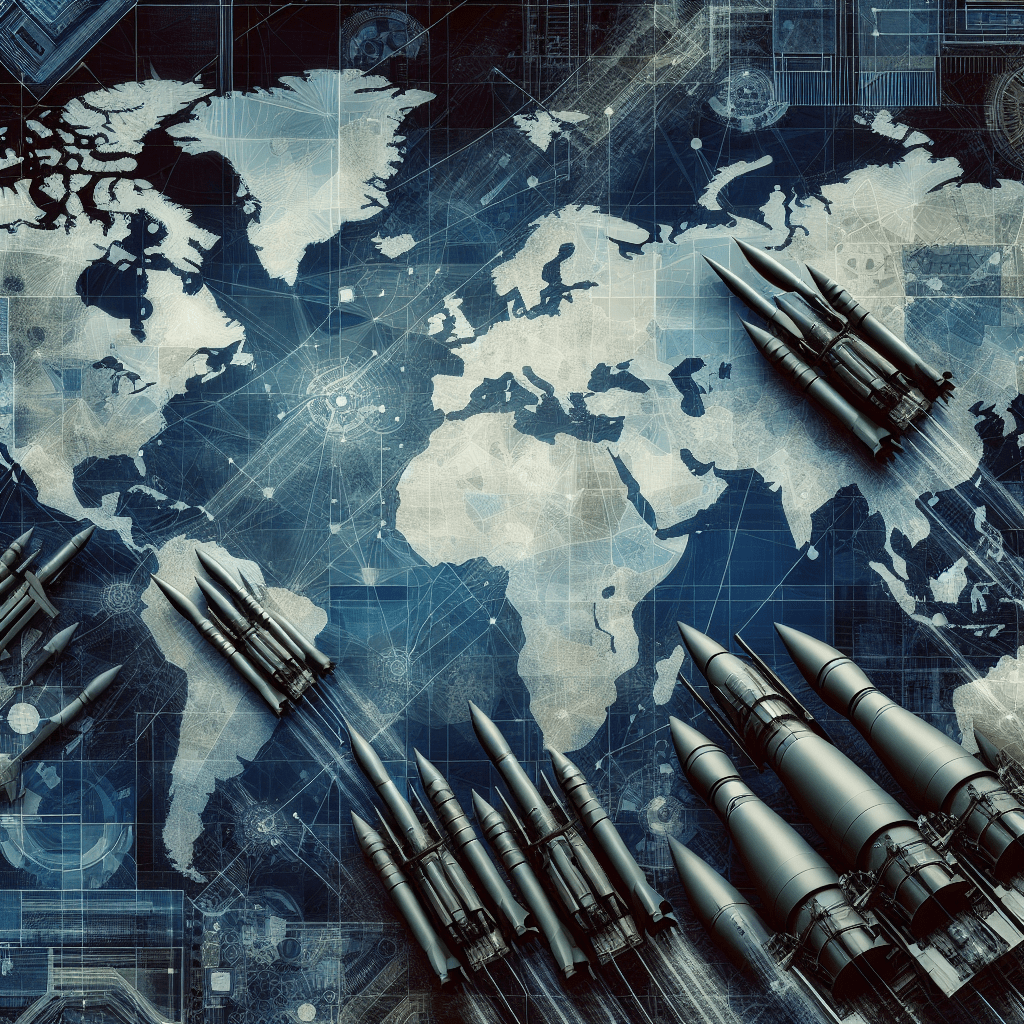
In a world where geopolitical dynamics are constantly shifting, the Ninth Congress of the Workers’ Party of Korea emerges as a pivotal event. This gathering in North Korea, led by Kim Jong Un, is more than just a routine assembly. It marks a crucial point in the nation’s political and strategic path amid escalating global tensions and complex international relations.
The Military Showcase
The congress commenced with a display of advanced military technology, notably the unveiling of 600mm-calibre multiple rocket launchers. This demonstration highlights a central theme of North Korea’s strategy: the emphasis on military capability. While these displays might seem to simply showcase technological advancement, they signify Pyongyang’s broader agenda of fortifying its military presence and strengthening its foreign policy through a show of strength.
Economic Ambitions Amidst Challenges
In his opening remarks, Kim Jong Un underscored the ambition to bolster the nation’s struggling economy. This narrative intertwines economic development with the continued advancement of nuclear and missile programs. Such a dual focus poses significant challenges for regional stability and global diplomacy, reflecting a strategy that balances defensive and offensive capabilities with economic revitalization amid severe sanctions and international isolation.
Shifting Alliances
This congress offers rare insight into North Korea’s strategic intentions as its alliances evolve. Pyongyang has deepened ties with Russia, exchanging support in the Ukraine conflict for military technology and aid. Concurrently, North Korea is nurturing its traditional ties with China, its critical ally, as shown by recent high-level diplomatic engagements. These alliances are significant, especially given the stagnation in diplomatic relations with the United States and deteriorating relations with South Korea.
Implications for Global Security
The developments from this congress have extensive implications. North Korea’s growing nuclear arsenal presents a persistent threat to U.S. allies in Asia and potentially the American mainland. Recent intelligence suggests Kim Jong Un might signal a succession plan involving his teenage daughter, Kim Ju Ae, indicating internal stability and continuity within the Kim dynasty, which could complicate future denuclearization talks.
Potential Policy Shifts
Amendments to the party’s constitution to institutionalize a more aggressive stance towards South Korea could exacerbate existing tensions. This militarization of policy might provoke stronger military responses from Seoul and Washington, increasing the risk of conflict in a region under constant nuclear threat. Economically, despite alliances with Russia and China, North Korea remains under severe international sanctions, challenging the feasibility of Kim’s economic plans.
The Ninth Congress of the Workers’ Party of Korea is watched closely by the international community. World leaders are eager to determine whether North Korea’s actions signal a path towards confrontation or an opportunity for cautious diplomacy. The congress reflects broader themes of power and strategic maneuvering, shaping North Korea’s position globally. As developments unfold, the insights from this gathering will be critical in understanding North Korea’s future policy trajectory and its effects on global security and diplomacy.
Share your thoughts in the comments below.