US Government Shutdown: Political Divisions Deepen – Feb 17, 2026
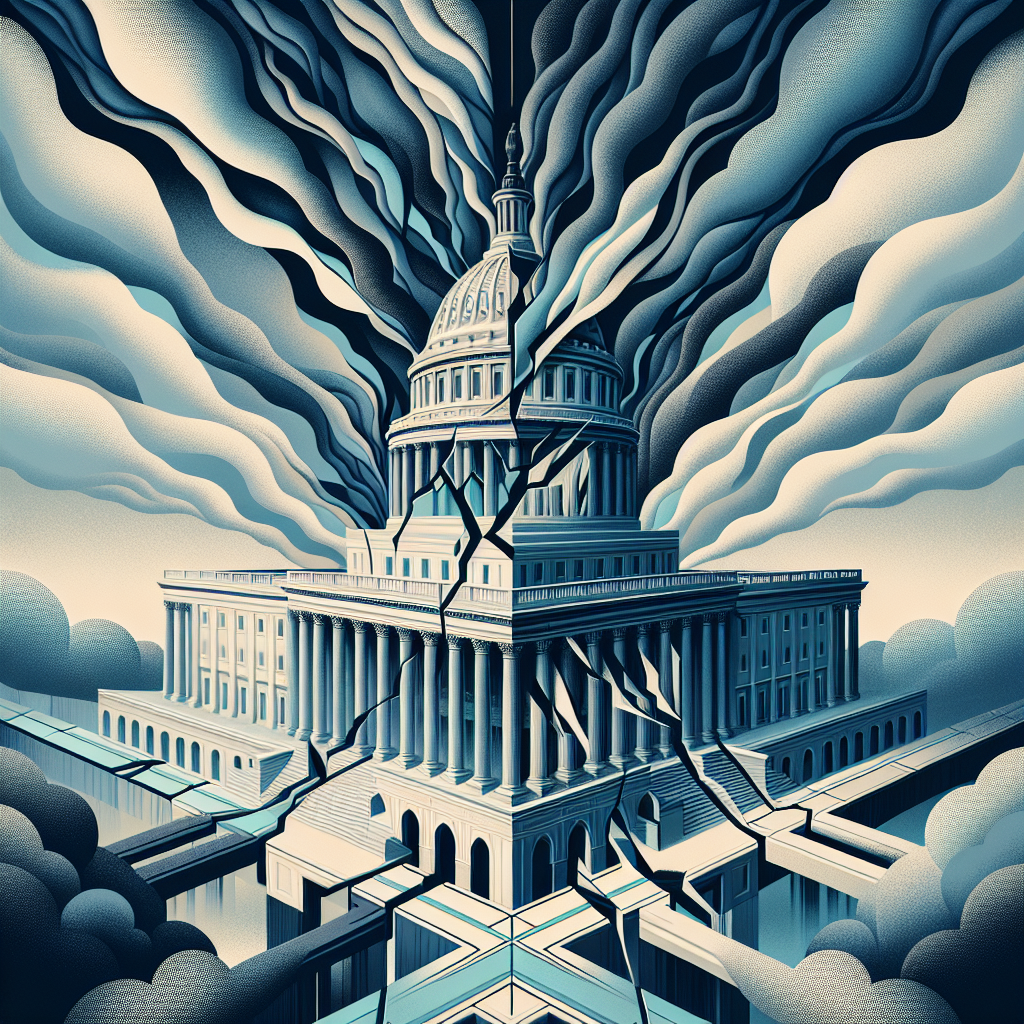
In a nation known for its robust democratic processes, the current partial government shutdown in the United States serves as a striking example of the deep political divisions that define American governance. As it enters its second day, this event highlights a contentious standoff over the Department of Homeland Security funding, primarily driven by disagreements on immigration enforcement policies. This impasse reflects broader systemic challenges, encapsulating a nation at odds with its identity and priorities.
The Immediate Impact of the Shutdown
The significance of this shutdown cannot be overstated, as it threatens to disrupt essential government services nationwide. As federal agencies brace for lengthy queues and travel disruptions due to reduced staffing, Southern California faces evacuation warnings ahead of a powerful storm. Such scenarios underscore the precariousness of relying on federal systems, particularly in times of natural emergencies.
A Partisan Clash at the Core
At the heart of this shutdown is a partisan clash over immigration policies. Democrats advocate for changes to what they view as overly aggressive enforcement measures, while Republicans emphasize stringent border security. This tug-of-war extends beyond policy differences, highlighting deep ideological divides that have intensified in an election year. The inability to reach a compromise exemplifies the fragility of political negotiations in today’s polarized climate.
Historical Context and Economic Consequences
To fully grasp the current situation, it’s crucial to trace the ongoing debates over immigration back to past administrations, particularly the Trump era. The Department of Homeland Security funding fight is a continuation of the tensions that marked Trump’s presidency. The implications of this shutdown stretch beyond immediate inconvenience, with potential economic consequences echoing past shutdowns that have cost billions and eroded public trust in government efficiency.
International Repercussions
The timing of the shutdown coincides with critical diplomatic efforts, potentially compromising the U.S.’s ability to engage effectively in global issues. Recent discussions at the Munich Security Conference, led by Secretary of State Marco Rubio and Ukraine’s President Zelensky, highlight the importance of a stable U.S. presence in international affairs. The shutdown risks emboldening adversaries and complicating responses to global crises, potentially altering the geopolitical landscape.
Domestic Challenges and Future Implications
Domestically, the shutdown diverts attention from significant achievements and poses a true test of leadership. Resolving this impasse requires both parties to transcend deep-rooted differences, failing which could lead to cascading governance failures. If extended, court interventions or emergency funding measures might shift power dynamics within Congress, affecting everyday Americans through longer security lines and delayed benefits.
In conclusion, this government shutdown is more than a temporary bureaucratic hurdle; it is a profound reflection of entrenched polarization in the United States. Immigration, as a flashpoint, is shaping policy trajectories that will resonate for years to come. As we watch these events unfold, the question remains: can the nation’s leaders transcend partisan divides to better serve the American people? Share your thoughts in the comments below.