SpaceX Crew-12 Launches to ISS, Marks Falcon 9’s 600th Mission Milestone
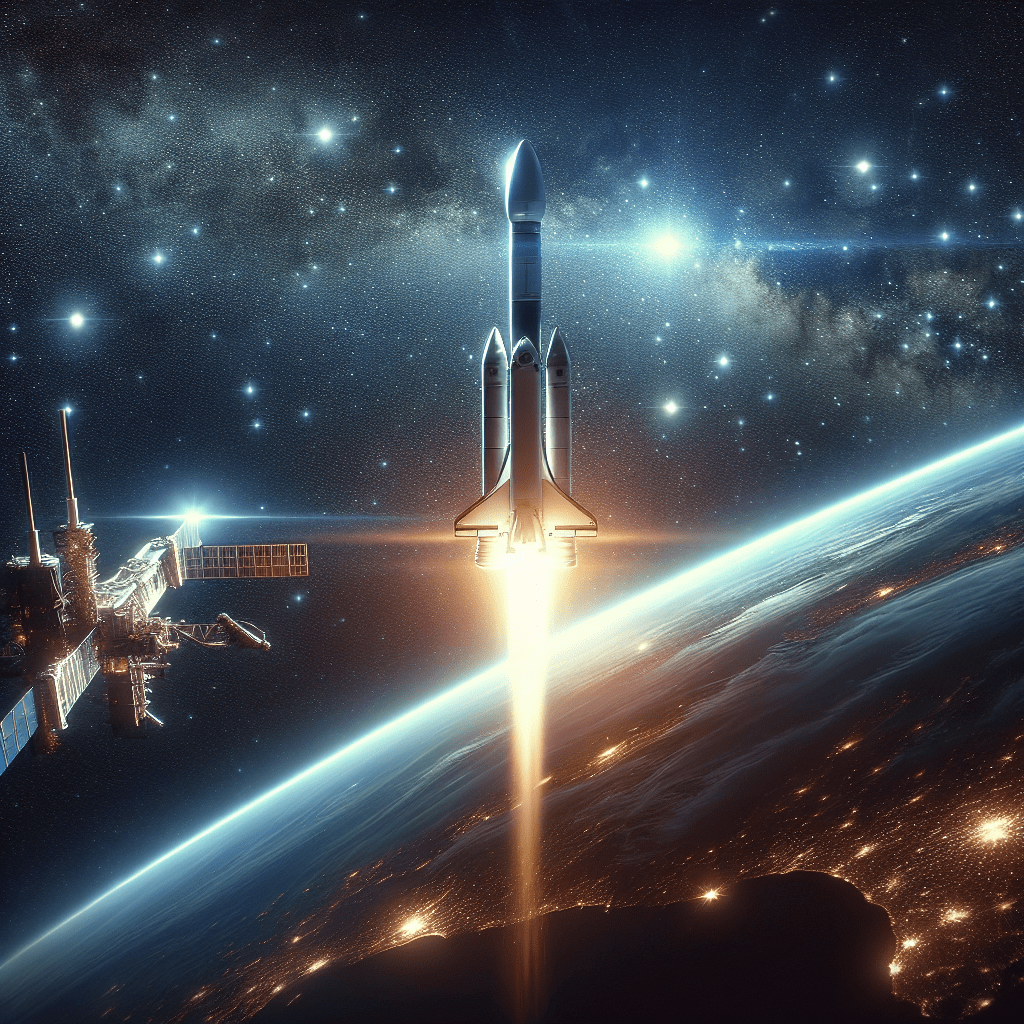
SpaceX Crew-12 Successfully Launches to the International Space Station
SpaceX and NASA have successfully launched the 12th operational crew rotation mission to the International Space Station, marking a significant milestone for the Commercial Crew Program and demonstrating continued progress in human spaceflight operations.
Launch Details and Timeline
The Crew-12 mission lifted off on Friday, February 13, 2026, at 5:15 a.m. EST (10:15 UTC) from Space Launch Complex 40 at Cape Canaveral Space Force Station in Florida.[1][5] The launch came after two weather-related delays—the mission was originally scheduled for February 11, then moved to February 12, and finally to February 13 due to unfavorable conditions along the Dragon spacecraft’s ascent corridor.[5]
Following a flawless ascent, the Crew Dragon Freedom spacecraft separated from the Falcon 9 second stage and entered orbit, beginning an approximately 34-hour autonomous journey to the International Space Station.[1][3] The spacecraft successfully docked with the ISS at 3:15 p.m. EST (20:15 UTC) on Saturday, February 14, connecting to the Harmony module’s zenith docking port.[1] Following docking, the ISS and Crew-12 crews pressurized the docking vestibule and opened the hatch, allowing the new crew members to ingress into the station and begin their eight-month mission.[1]
The Crew-12 Team
Four international crew members comprise the Crew-12 mission: NASA astronauts Jessica Meir and Jack Hathaway, ESA astronaut Sophie Adenot, and Roscosmos cosmonaut Andrey Fedyaev.[5] This diverse team represents a continuation of the collaborative international effort that characterizes modern spaceflight operations. The crew arrived in Florida on February 6 and entered quarantine soon after, completing all necessary preparations for launch.[1] NASA and SpaceX teams successfully conducted a dry dress rehearsal on February 9, with the crew practicing suiting up and boarding Freedom, while launch teams worked through the launch countdown procedures.[1]
Why the Accelerated Schedule?
The accelerated launch timeline was necessitated by an unexpected situation involving the previous crew. Crew-11 returned to Earth early on January 15, 2026, due to an undisclosed medical issue affecting one crew member.[1][3] This early departure meant the International Space Station faced an extended period with a reduced crew complement. In response, NASA and SpaceX worked together to evaluate options to advance the Crew-12 launch date, ultimately moving it forward by three days from the original February 15 target to February 13.[1]
This rapid response showcased the flexibility and coordination between NASA and SpaceX, as the agencies simultaneously managed the early return of Crew-11, prepared for Crew-12’s accelerated launch, and made preparations for the Artemis 2 mission, which has its next launch window opening in early March.[3]
Technical Achievements and Milestones
The Crew-12 launch represents several significant achievements for SpaceX and NASA’s Commercial Crew Program. This mission marked Falcon 9’s 600th mission since its debut in June 2010, with the rocket currently flying in its Block 5 configuration.[1] The launch also served as the 14th human spaceflight mission under the Commercial Crew Program and the 20th overall crewed mission for SpaceX and Crew Dragon.[1]
A particularly notable achievement was the successful use of Landing Zone 40, a brand new landing facility located directly adjacent to the launch pad at Cape Canaveral.[1] The first stage booster returned to the Cape and landed at this newly operational facility, representing an expansion of SpaceX’s ground infrastructure for rocket recovery operations.[1] Additionally, the first stage supporting this mission had previously launched a Starlink mission, demonstrating the reusability that defines SpaceX’s approach to spaceflight.[10]
The Crew-12 Mission Ahead
Upon arrival at the ISS, Crew-12 will conduct scientific investigations and technology demonstrations designed to help prepare humans for future exploration missions to the Moon and Mars, while also contributing research that benefits people on Earth.[3] During their eight-month stay as part of Expedition 74/75, the crew will witness the arrival and departure of several spacecraft. In July, Soyuz MS-29 will dock with the ISS, bringing cosmonauts Pyotr Dubrov and Anna Kikina, along with NASA astronaut Anil Menon, to the orbiting laboratory. Shortly thereafter, Soyuz MS-28 will depart with cosmonauts Sergey Kud-Sverchkov and Sergey Mikayev and NASA astronaut Christopher Williams.[1]
Looking Forward
The successful launch and docking of Crew-12 underscore the maturity and reliability of the Commercial Crew Program, which has now completed 12 operational ISS crew rotation missions.[1] SpaceX currently maintains four other active Crew Dragon capsules—Endeavour, Resilience, Endurance, and Grace—ensuring continued capability for future missions.[1]
The Crew-12 mission represents not only a continuation of the collaborative efforts between NASA, ESA, and Roscosmos, but also a testament to human ingenuity and international cooperation in advancing space exploration. As these four astronauts begin their eight-month tenure aboard the International Space Station, they carry with them the hopes and scientific endeavors of multiple nations united in the pursuit of discovery and human spaceflight advancement.
Original source: NASA – Breaking News – Crew-12 Launches