Breakups Trigger Limbic System Storm, Mimic Physical Pain and Addiction Withdrawal
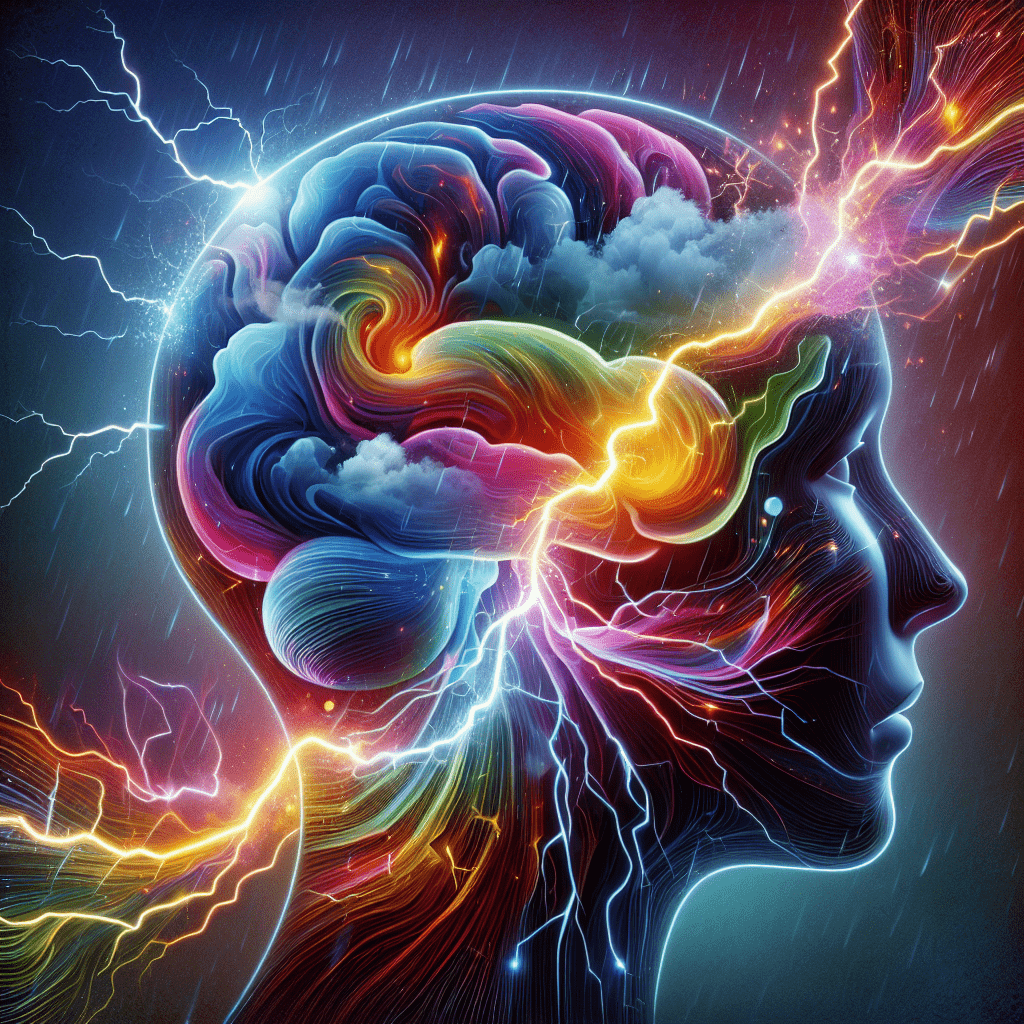
Relationship Rupture and the Limbic System: The Physiology of Abandonment and Separation
In the raw ache of a breakup, your body doesn’t just feel heartbreak—it’s a full physiological storm centered in the limbic system, the brain’s emotional hub that amplifies feelings of abandonment like a primal alarm.[1][2] This network of structures, including the amygdala, hippocampus, and hypothalamus, processes separation as a threat to survival, triggering responses akin to grief or withdrawal that can linger for months.[2]
The Limbic System: Your Brain’s Emotional Command Center
The limbic system isn’t a single organ but a interconnected group of brain regions orchestrating emotion, memory, motivation, and social bonding—core elements shattered in relationship ruptures.[2] Key players include:
- Amygdala: Detects fear and processes intense emotions like rejection, ramping up anxiety during abandonment.[2]
- Hippocampus: Links emotions to memories, explaining why a breakup floods you with vivid recollections of shared moments, intensifying pain.[2]
- Hypothalamus: Regulates stress hormones like cortisol, heightening the fight-or-flight response to separation.[2]
- Cingulate gyrus: Bridges emotions to actions, fueling obsessive rumination on what went wrong.[1][2]
Dysregulation here mimics addiction withdrawal because the limbic system ties into the brain’s reward circuitry via dopamine, the “feel-good” neurotransmitter released during bonding.[2] Love activates these pathways much like drugs, so rupture feels like detox—cravings for the partner, irritability, and emotional numbness.[1][2]
An overactive limbic system correlates with depression, manifesting as hopelessness, withdrawal, and emotional distance that strains remaining connections or prolongs healing post-breakup.[1] In relationships on the brink, this overactivity predicts misunderstandings, where one partner’s numbness feels like neglect to the other.[1]
Physiology of Abandonment: Why Breakups Hurt Like Hell
Abandonment hijacks the limbic system, simulating physical pain. Neuroimaging shows breakup grief lights up the same anterior cingulate cortex regions as social exclusion or injury—evolution wired us this way because, ancestrally, exile from the tribe meant death.[2] Separation spikes cortisol, disrupting sleep, appetite, and immunity, while depleting serotonin and dopamine, leading to anhedonia (inability to feel pleasure).[1][2]
Consider attachment theory: Avoidant styles, shaped by early experiences, deactivate limbic responses to intimacy, creating emotional distance as a control mechanism.[3] fMRI studies reveal this boosts prefrontal cortex activity to suppress limbic floods, offering temporary calm but at a cost—elevated cortisol, reduced relationship satisfaction, and internalized stress.[3] Securely attached people, by contrast, navigate ruptures with limbic flexibility, experiencing pain fully yet recovering faster.
Ambivalence amplifies this: Holding love and doubt simultaneously taxes the limbic system, eroding satisfaction and predicting instability.[4] Data from a year-long couple study shows breakups surge 2.5–5 times around Valentine’s Day, when uncertainty peaks—limbic-driven internal conflict becomes unavoidable.[4]
The two-brain paradigm underscores ruptures: The emotional limbic brain clashes with the rational prefrontal cortex, pulling partners apart—one seeks reassurance (limbic-driven), the other solutions (prefrontal).[5] Basal ganglia overactivity adds anxiety, manifesting as abandonment fears or overthinking, straining bonds further.[1]
Emotional Distance: Limbic Suppression or Survival?
Post-rupture, many default to emotional distancing, a limbic downregulation strategy for efficiency.[3] Dr. Lisa Feldman Barrett notes the brain prioritizes stability over happiness, minimizing emotional input to conserve energy.[3] Avoidants excel here, deactivating feelings via prefrontal override, but habitual suppression backfires: A meta-analysis links it to physiological strain and poorer insight.[3]
True resilience? Limbic adaptability—feeling deeply without overwhelm, unlike rigid distancing.[3] Overactive limbic patterns, like those in depression, foster numbness that mimics control but isolates.[1][3]
Healing the Limbic Fracture: Pathways Forward
Rebuild through neuroplasticity—your limbic system can rewire. Start with:
- Nutrition: Omega-3s calm limbic overactivity, combating depression.[1]
- Mindfulness and CBT: Reduce anterior cingulate rigidity, easing obsession.[1]
- Physical touch and face-time: Counter digital isolation; hugs boost oxytocin, soothing the reward system.[1]
- Breathing exercises: Quiet basal ganglia anxiety.[1]
- Limit screens: Prevent dopamine hijacks that mimic bonding.[1]
Brain health education reveals these patterns: Prefrontal underactivity (e.g., ADHD forgetfulness) or temporal lobe mood swings compound ruptures, but targeted fixes—like impulse training or anger management—restore balance.[1][5]
Long-term, flexibility trumps suppression. Reframe distance as a past adaptation, not destiny—choose closeness contextually.[3] Couples therapy leveraging the two-brain model aligns emotional and rational responses, preventing limbic hijacks.[5]
Breakups as Limbic Reckoning
Relationship rupture isn’t mere drama; it’s a limbic alarm signaling unmet needs, urging growth.[2][4] By understanding this physiology, you decode the chaos: Abandonment’s pain is wired for connection, not punishment. Honor it—process, don’t suppress—and emerge with a resilient brain primed for healthier bonds. Tools like brain scans or courses illuminate personal patterns, turning rupture into renewal.[1]
(Word count: 812)
Original source: The Marginalian – Relationship Rupture and the Limbic System: The Physiology of Abandonment and Separation