Curiosity Rover Uncovers Mars’s Mysteries While Earth Celebrates Halloween
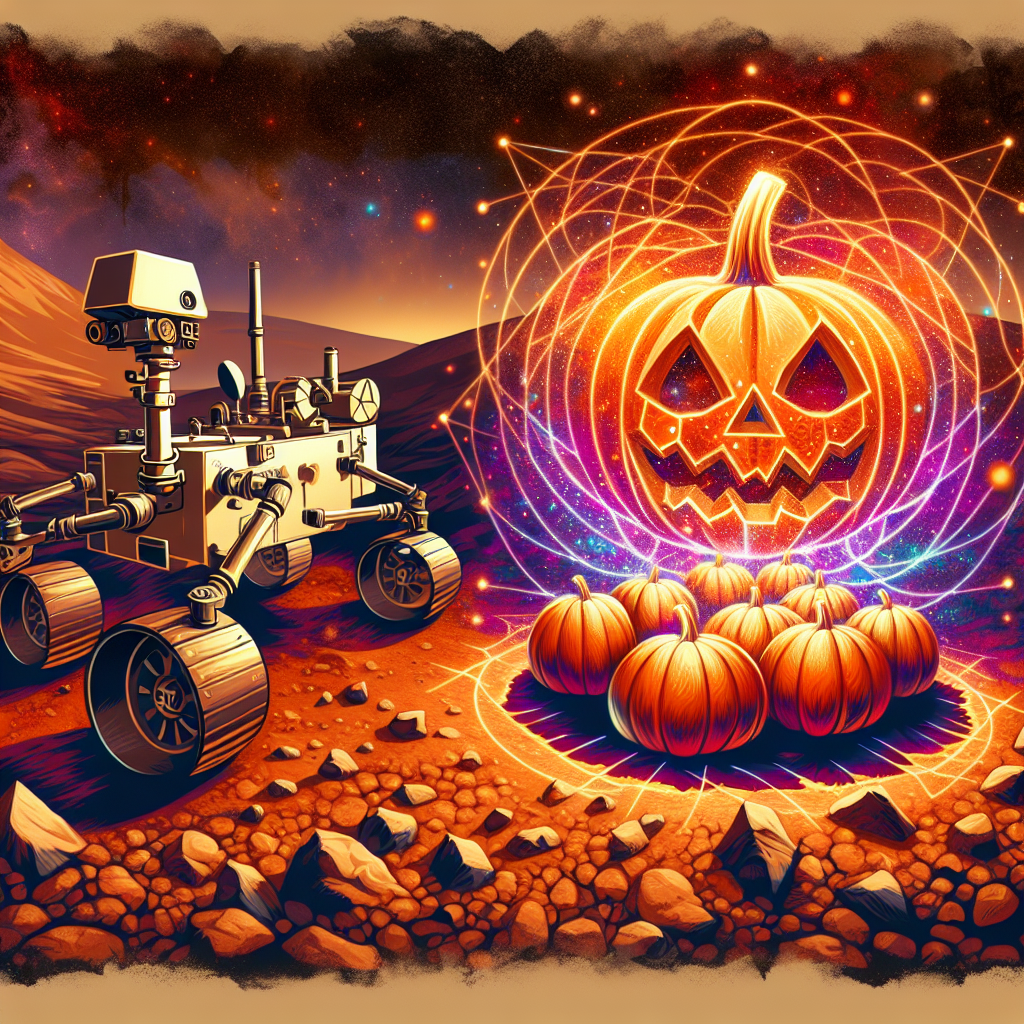
Curiosity Blog, Sols 4702-4708: It’s Only Spooky Here on Earth Today!
As Halloween passes on Earth, the surface of Mars remains eerily tranquil—no trick-or-treaters, no jack-o’-lanterns, only the steady hum of Curiosity rover as it continues its scientific journey across Gale Crater. For the rover team and planetary scientists, sols 4702 to 4708 were marked not by ghosts and ghouls, but by routine investigations, intriguing geology, and the relentless pursuit of Martian secrets. Though the date—October 31, 2025, in Earth time—suggests spookiness, Mars offers a different kind of mystery: one that is shaped by rocks, dust, and the silence of the red planet[2][6].
Halloween on Mars: Silence Instead of Spooks
While Earth celebrates Halloween with costumes and candy, Mars offers no such festivities. The blog post for Sols 4702-4708, written by Professor Susanne P. Schwenzer, emphasizes this contrast: “It’s only spooky here on Earth today!” On Mars, the only “spooky” aspect is the quiet, unbroken by human traditions. The landscape, captured in Curiosity’s wide-angle grayscale photos, reveals a flat, medium terrain—silent and undisturbed except for the tracks of the rover itself[6].
Scientific Routine: Unmasking Martian Mysteries
During this period, Curiosity’s activities focused on routine yet crucial scientific work:
- Imaging and Analysis: The rover continued to document its surroundings, capturing detailed images for geologists back on Earth to analyze. These photos help the team identify rock compositions, textures, and any signs of past water activity[6].
- Drilling and Sampling: Curiosity’s recent achievement—its 44th drill hole—marked a major milestone in the study of the “boxwork unit,” an enigmatic geological structure characterized by ridges and hollows. These formations may hold clues about ancient environmental conditions, water activity, and the planet’s geochemical history[3].
- Atmospheric Monitoring: Along with studying rocks, the rover routinely measures atmospheric conditions, including dust levels and temperature shifts. Seasonal changes on Mars, though less dramatic than those on Earth, still alter the planet’s surface and sky[2].
The “Boxwork Unit”: Mars’s Ancient Puzzle
Much of Curiosity’s recent work centers on the so-called boxwork unit. Over the past several months, the rover team has drilled, imaged, and analyzed these ridged structures in detail. Scientists believe the boxwork features resulted from mineral veins that resisted erosion, leaving behind intricate patterns and networks. Investigating these units helps researchers answer key questions about Mars’s geological past:
- How did these ridges form?
- What minerals are present in the veins?
- Did liquid water play a role in their creation?
The answers might provide insights into ancient Martian environments—whether they were habitable, how they changed over time, and what processes shaped the Gale Crater region[2][3].
Mars vs. Earth: Why “Spooky” Is Different
The phrase, “It’s only spooky here on Earth today!” highlights the fundamental differences between the two worlds:
- On Earth, Halloween is a time for imagination, fear, and celebration. Darkness and the unknown are embraced in a playful spirit.
- On Mars, the unknown is scientific, not supernatural. The landscape is alien, but its mysteries are addressed with sensors, drills, and data—not costumes or candy.
Curiosity’s presence on Mars is itself a testament to human curiosity—the drive to explore the truly unknown, not for fear, but for knowledge[2][6].
The Team Behind the Rover: Human Ingenuity
Though Mars is quiet, the rover’s activities are a product of continuous work by scientists and engineers on Earth. The Curiosity science team, including planetary mineralogists, atmospheric scientists, and geologists, plan, execute, and analyze every rover activity. Their blog updates not only document technical progress but also share the excitement and challenges of remote exploration.
Updates are written by self-selected mission team members who are passionate about sharing the story of Curiosity with the public. Their reports reflect both the rigor of planetary science and the wonder of exploring another world—where every sol brings new data and, sometimes, new questions[2].
What’s Next for Curiosity?
As Sols 4702-4708 close, Curiosity continues its journey across Gale Crater:
- The rover will keep investigating the boxwork unit, seeking more samples and images to refine scientific models.
- Seasonal changes on Mars—less dramatic than Earth’s—will continue to affect surface conditions, dust activity, and rover operations.
- The team will remain vigilant for any unusual findings, from meteorites embedded in the regolith to unexpected mineral veins[5].
Reflections: The True Spirit of Exploration
Halloween may remind us of the thrill of the unknown, but Mars exploration is a deeper engagement with mystery. Curiosity’s work during these sols is a reminder that, on Mars, the “spooky” is not about ghosts but about the slow, methodical unveiling of a planet’s history. The silence of Mars is not emptiness—it is a canvas for discovery.
While children on Earth chase apparitions in the night, scientists chase data in the Martian day. The real magic is in the questions we ask and the worlds we explore.
Curiosity keeps rolling, undeterred by Earthly traditions. Its mission: to turn the truly unknown into knowledge—one sol at a time.
Written as of November 15, 2025, reflecting Curiosity’s activities on Mars during Sols 4702-4708. For more rover updates and images, follow the NASA Science blog.
Original source: NASA – Breaking News – Curiosity Blog, Sols 4702-4708: It’s Only Spooky Here on Earth Today!